
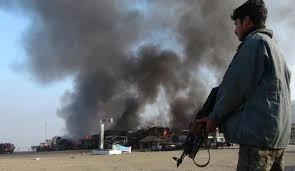
A suicide blast in Miranshah, North Waziristan, has once again drawn attention to the disturbing practice of militant groups using underage boys in violent attacks. Reports suggest that the attacker involved in the recent explosion was a young boy. The blast killed and injured several civilians and shocked local communities.
Security and local sources say that such boys are sometimes referred to locally as “Tiz Pari.” The term is used for minors who are allegedly recruited and trained by militant commanders to carry out suicide attacks. The incident has renewed concerns about how extremist groups manipulate children for violent purposes.
How Young Boys Are Drawn Into Militancy
Security officials say militant networks often target vulnerable children. These boys may come from poor backgrounds or unstable environments. Over time they are influenced through emotional pressure, promises of reward, or constant exposure to extremist propaganda.
Experts say that once these children fall under the control of militant groups, they are gradually isolated from normal life. They may be told that sacrificing their lives is a noble act or a religious duty. Because of their young age, many do not fully understand the consequences of what they are being pushed to do.
According to analysts, this manipulation is designed to create loyal followers who can be used in dangerous missions. For militant commanders, young recruits are easier to influence and control than adults.
A Serious Violation of Human Rights
Human rights experts say the use of children in suicide attacks is one of the most serious forms of exploitation. It destroys the future of young lives and spreads fear across communities. Families in conflict areas often live with the constant worry that their children could be targeted by recruiters.
At the same time, authorities say security operations and preventive measures are being strengthened to stop such recruitment. State institutions continue efforts to dismantle militant networks and protect communities from extremist violence.
The Miranshah incident highlights the broader challenge of preventing children from being drawn into militancy. Experts say that along with security action, stronger community awareness and education are essential to protect young people.
Ultimately, safeguarding children from extremist influence is not only a security priority but also a moral responsibility. Ensuring that young lives are guided toward education and opportunity remains key to building lasting peace in the region.











