
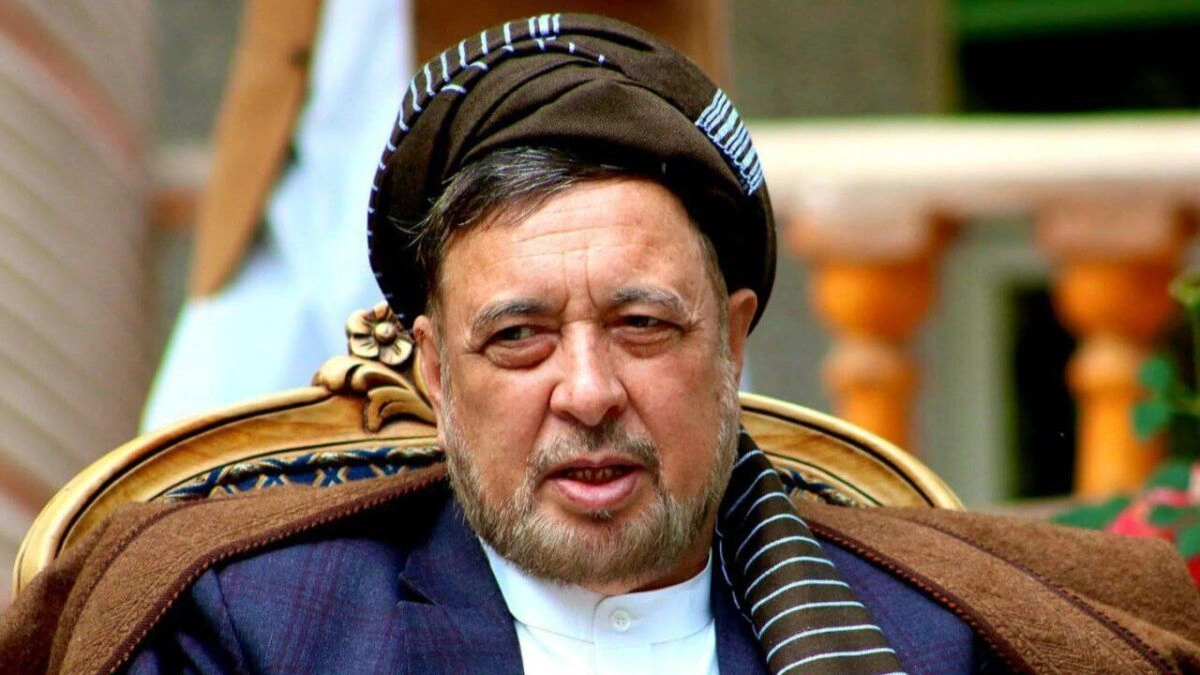
Afghan political leader Mohammad Mohaqiq, head of the Islamic Unity Party of Afghanistan and a key member of the Supreme Resistance Council, has made a significant and historic statement recognizing the Durand Line as the official international border between Afghanistan and Pakistan. The development is being seen as highly important in Afghan politics, where the status of the Durand Line has remained a contentious issue for decades.
According to reports, Mohaqiq stated that he and his party are fully committed to the geographical boundaries defined by the United Nations and to international law regarding Afghanistan’s political geography.
محمد محقق، رهبر حزب وحدت اسلامی مردم افغانستان و عضو شورای عالی مقاومت گفت که خط دیورند را به عنوان مرز رسمی افغانستان و پاکستان بهرسمیت میشناسد.
— افغانستان اینترنشنال (@AFIntlBrk) April 19, 2026
او تاکید کرد که به «تقسیمبندی سازمان ملل متحد» در مورد جغرافیای سیاسی افغانستان متعهد است. https://t.co/A9t8m1Oa8u pic.twitter.com/buk61tkoNn
He emphasized that the Durand Line is an established reality and an official border between the two countries, adding that its recognition is essential for regional stability.
Mohaqiq’s remarks come at a time of ongoing tensions between Afghanistan’s Taliban-led administration and Pakistan over border and security issues. His acknowledgment of the international boundary has sparked fresh debate within Afghan political circles, as many groups in the country have traditionally avoided formally recognizing the border. Analysts believe that by referencing UN-recognized geography, Mohaqiq is signaling a more responsible and internationally aligned political stance.











