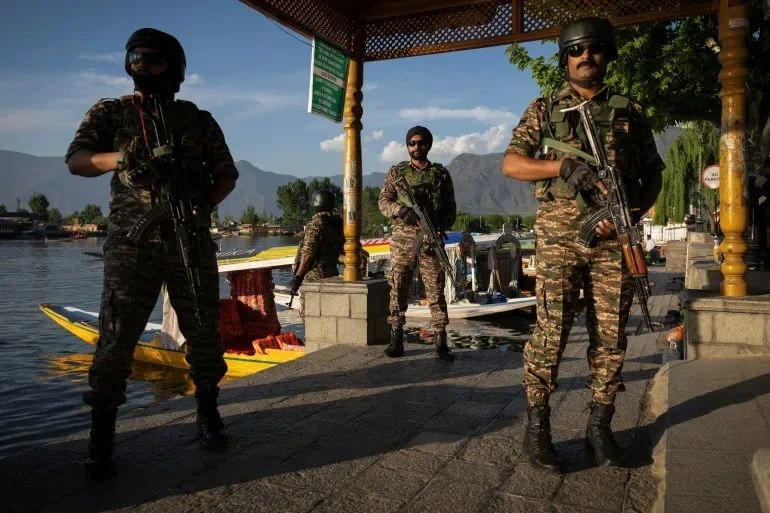
In April 2025, the killing of 27 people in the scenic area of Pahalgam in occupied Kashmir reshaped the geopolitical landscape of Asia. Now, on the completion of one year since the incident, international observers and research institutions remain divided over whether it was merely a terrorist attack or part of a deeper political “false flag” operation. While Indian media immediately blamed Pakistan, various developments and connections appear to point in a different direction.
Battle of Truth
The Indian government allegedly used the Pahalgam incident as a coordinated “false flag” operation to diplomatically isolate Pakistan at the global level and frame it within the narrative of terrorism. However, this strategy is said to have failed in the face of the “Battle of Truth” in May and Pakistan’s successful foreign policy.
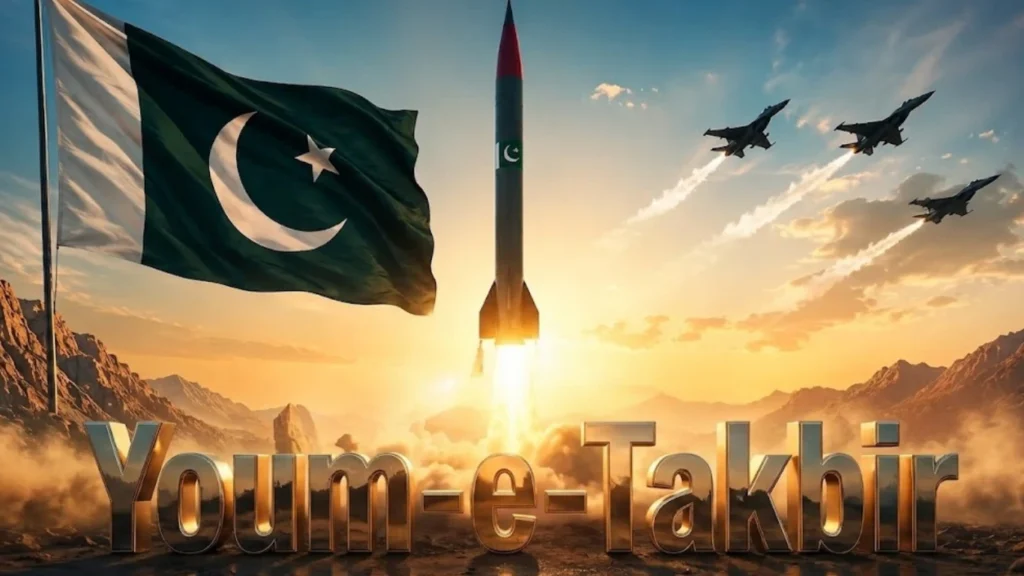
A year later, the global picture is clearer. India is reportedly on the defensive due to the failure of its narrative, internal questions over security lapses, and declining credibility, while Pakistan has emerged as a responsible and strong state through the successful defense of its sovereignty and its offer for transparent investigations. The “Battle of Truth” on 10 May not only shattered India’s air adventure but also proved that any attempt to pressure Pakistan militarily or diplomatically would end in failure.
Following the Pahalgam incident, India allegedly repeated the same miscalculation it made in 2019. On the night of 10 May 2025, when Indian Air Force aircraft crossed the Line of Control, Pakistan Air Force responded swiftly, engaging them in the air. In this engagement, Pakistani forces reportedly shot down Indian fighter jets, with wreckage and pilot confusion exposing vulnerabilities in India’s claim. This event was described as a turning point that dismantled the narrative built around the Pahalgam incident.
Diplomatic Dimensions
The Pahalgam incident is being viewed by some analysts as not accidental but pre-planned. At the time of the attack, US Vice President JD Vance was present in India, which allegedly helped internationalize the emotional response. Similarly, the Indian Prime Minister reportedly cut short his visit to Saudi Arabia, followed by the 10 May air operation, which is being interpreted as part of a coordinated strategy aimed at isolating Pakistan.
Evidence of a False Flag
Analysts including Nusrat Javed and Asif Mahmood have described the incident as part of a “pre-written script.” From the Chittisinghpura incident in 2000 to the 2019 Pulwama attack, India has previously faced allegations of using such incidents during key international visits to increase pressure on Pakistan. According to this perspective, the Pahalgam attack followed the same pattern but was countered by Pakistan’s response on 10 May.
Impact on Kashmir’s Economy
Pahalgam, a Muslim-majority tourist region, depends heavily on tourism for livelihood. The incident severely damaged the emerging local economy and provided justification for increased militarization and displacement policies in the region. Critics describe it as an economic and political blow to the Kashmiri population, framed as counterterrorism.
Diplomatic Crisis and Regional Tensions
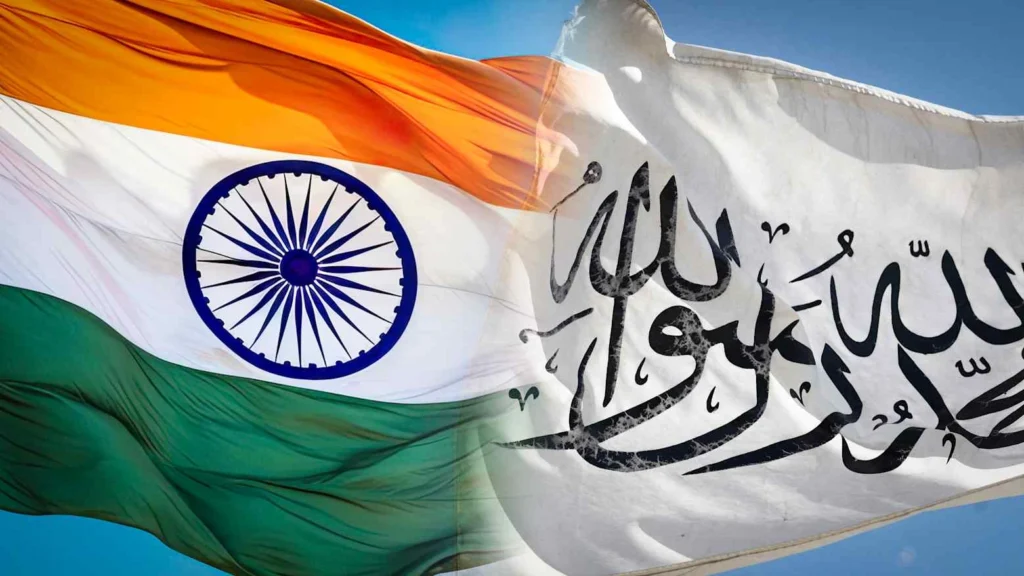
Following the Pahalgam incident and the subsequent developments, South Asia entered a period of heightened tension. India reportedly threatened to suspend the Indus Waters Treaty, while Pakistan responded by restricting its airspace. Agreements such as the Shimla Accord were effectively frozen, pushing the region closer to a broader crisis.
One Year Later: Emerging Questions
As of April 22, 2026, a year later, Indian security agencies have still not reached a definitive conclusion. Reports from Indian publications such as The Tribune suggest that the aftermath of the 10 May events and the ambiguity surrounding Pahalgam have created internal disagreements within the Indian establishment. The absence of accountability has further fueled speculation that the incident may have been state-sponsored.
Conclusion
The Pahalgam incident and the events of 10 May are now being seen by some as key lessons in modern geopolitics. While India is accused in this narrative of attempting to gain political advantage through a crisis, Pakistan’s military institutions are portrayed as having successfully defended national sovereignty and countered external pressure.