Exactly one year ago, on April 22, 2025, the incident in Pahalgam, in Indian-administered Kashmir, was portrayed as more than just a terrorist attack by several analysts. It was widely described in some circles as a “false flag” operation aimed at diplomatically isolating Pakistan and strengthening India’s regional position. However, a year later, the geopolitical landscape appears to have shifted in unexpected ways.
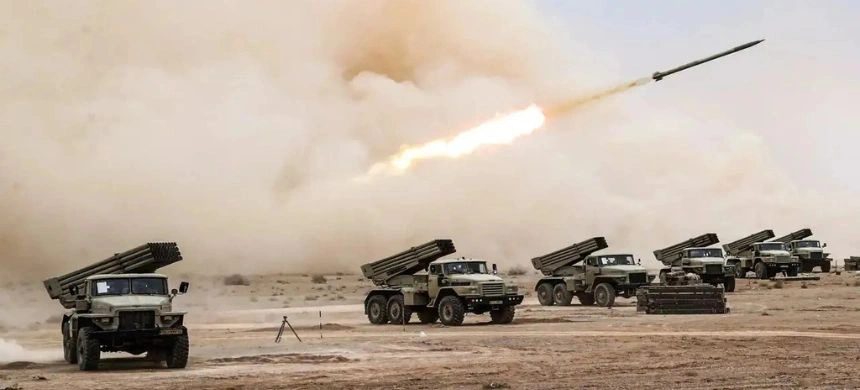
Immediately after the incident, India launched a wave of accusations against Pakistan and reportedly initiated what it called “Operation Sindoor,” aimed at projecting Pakistan as a sponsor of non-state actors. In response, Pakistan’s armed forces conducted “Operation Bunyān-um-Marsoos” in May 2025, which Islamabad described as a defensive action that countered Indian military escalation. The episode significantly intensified regional tensions while also drawing global attention to competing narratives from both sides.
In the months that followed, the confrontation evolved into a broader discussion on military technology, strategic restraint, and economic implications. Pakistani air operations, which Islamabad described as precision defensive strikes, were claimed to have downed several advanced Indian fighter jets. This development reportedly impacted perceptions of certain Western-made defense systems, including French Rafale aircraft, in global defense markets.
The crisis also triggered a visible shift in diplomatic alignments. While Indian foreign policy under Prime Minister Narendra Modi faced increasing scrutiny for its assertive posture, Pakistan’s diplomatic engagement gained renewed attention in various international forums. Reports of high-level engagement between Pakistan and global powers, including statements attributed to former U.S. President Donald Trump in support of Pakistan’s leadership, were seen by observers as indicative of evolving strategic dynamics.
On the economic and geopolitical front, Pakistan’s classification within international development and financial frameworks reportedly shifted, placing it in a broader regional grouping that includes parts of the Middle East and North Africa alongside Afghanistan. This move has been interpreted by some analysts as part of a larger realignment of economic blocs and strategic partnerships.
In addition, Pakistan’s growing defense and economic cooperation with countries such as Turkey, Qatar, and Egypt has contributed to discussions about the emergence of a new regional alignment. The formation of multilateral platforms involving these states has been described as part of an evolving economic and strategic corridor with potential long-term geopolitical implications.
Meanwhile, India’s international narrative around the Pahalgam incident has faced increasing debate in global media and analytical circles, with some questioning inconsistencies in the official version of events. Despite this, New Delhi continues to maintain its position on the matter.
One year on, Pakistan is being described by some observers as more confident and diplomatically assertive, while India faces a more complex international environment. Analysts suggest that the developments following the Pahalgam incident have contributed to a broader “power shift” in South Asia.
Whether temporary or structural, the post-Pahalgam trajectory highlights how rapidly regional dynamics can evolve in response to conflict, perception, and strategic communication.