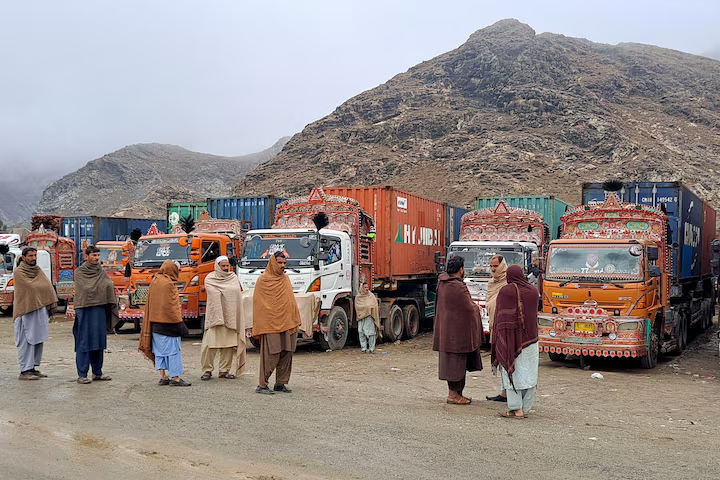
The trade relationship between Pakistan and Afghanistan has grown over the last five years, but repeated border disruptions and political tensions have exposed vulnerabilities. Pakistan’s exports to Afghanistan rose from around US$850 million in 2020 to over US$1.1 billion by 2024, while Afghanistan’s exports to Pakistan remain smaller and more volatile.
Economic Impact
- Border closures and logistical delays have cost Pakistan an estimated US$100–150 million per month in lost trade revenue.
- Afghanistan faces significantly higher costs, with losses estimated at US$200–300 million per month due to trade disruptions.
- The Afghan economy suffers from shortages of essential goods, inflation, and a widening trade deficit, impacting the livelihoods of millions.
Public Impact
- Over 50,000 Afghan traders and labourers face financial difficulties due to trade disruptions.
- In Pakistan, around 30,000 people employed in export-oriented industries, especially in textiles and agriculture, are affected.
- The general public in both countries faces increased prices and scarcity of goods.
Alternative Trade Routes for Afghanistan
- Iran–Chabahar Port: Offers Sea access with Indian backing; initial freight costs higher, but reduced port fees can ease the burden.
- Northern Corridors via Central Asia: Connects to Russia and Europe but is slower and costlier, requiring strong regional cooperation.
- UAE Re-Export Hubs: Suitable for high-value goods; bulk commodities remain expensive.
Comparison of Trade Routes
| Route | Cost (per container) | Time (days) |
| Pakistan–Afghanistan | $1,500 | 3–5 |
| Iran–Chabahar Port | $2,000 | 10–15 |
| Northern Corridors | $3,000 | 20–30 |
| UAE Re-Export Hubs | $4,000 | 15–25 |
Conclusion
Afghanistan’s need to diversify trade is urgent, while Pakistan seeks stability for its exports. Without renewed cooperation or infrastructure investments, the trade corridor risks long-term inefficiency and economic strain on both sides, especially Afghanistan.