
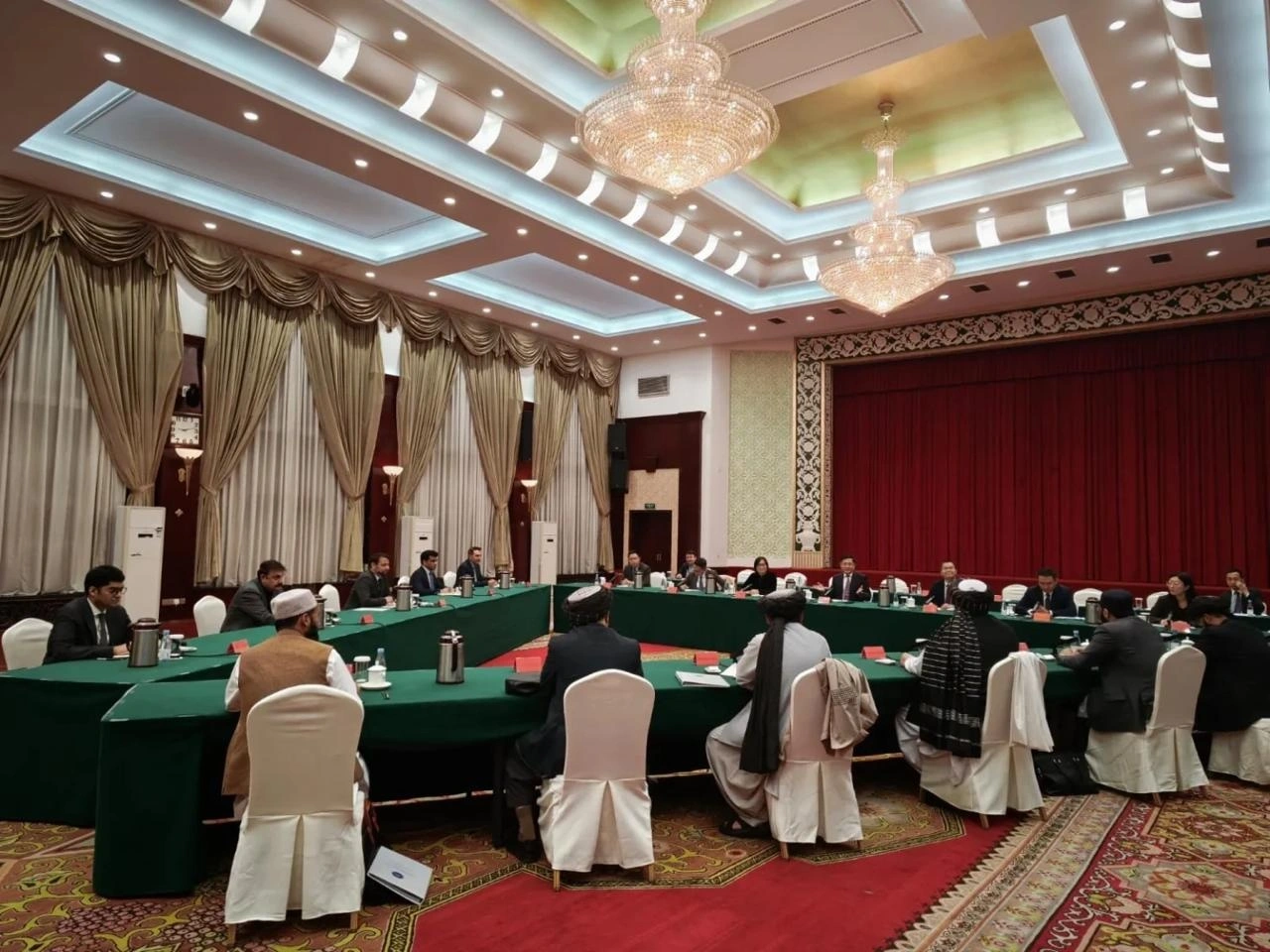
Pakistan and Afghanistan have successfully concluded a week-long informal round of talks held in Urumqi, China, aimed at promoting regional security, border stability, and bilateral cooperation. The discussions, which took place from April 1 to 7, were attended by high-level delegations from the foreign ministries, defence, and security institutions of the three countries.
According to Dr. Yu, a Chinese official and expert on Afghan affairs, the talks were held in a highly cordial and sincere atmosphere, with the primary objective of achieving practical outcomes and effective measures for sustainable peace in the region.
Pakistan’s Security Concerns and Demands
Diplomatic sources say Pakistan presented a firm and clear position on security challenges during the China-mediated discussions. Islamabad demanded written assurances from the Afghan authorities regarding the Tehrik-i-Taliban Pakistan (TTP), including the group’s complete disarmament, relocation away from the Pakistan-Afghanistan border, and restriction of its status to non-combatant elements.
During the talks, Chinese mediators reportedly rejected some Afghan demands as “unreasonable,” however, there was a clear consensus that Afghan soil must not be used by any third country or group for proxy actions against Pakistan.
De-escalation and Mutual Understanding
Two days earlier, Chinese Foreign Ministry spokesperson Mao Ning stated in a press briefing in Beijing that Pakistan and Afghanistan had agreed on a comprehensive resolution to the tensions that emerged from the October incident. Both sides reaffirmed their commitment not to take any steps that could complicate border issues or damage bilateral relations.
The negotiating delegations have now returned to their respective capitals to brief their leadership on the outcomes and proposals agreed in Urumqi.
Future Outlook
Defense and political analysts suggest that keeping the talks away from the media spotlight reflects a serious commitment by all sides toward meaningful diplomacy. Recent signs of flexibility from Kabul, along with positive statements from Afghan Foreign Minister Amir Khan Muttaqi, are being viewed as encouraging developments.
However, experts emphasize that the real success of the process will depend on concrete and visible action by the Afghan authorities against groups such as the TTP.
The developments in Urumqi could mark an important milestone in breaking the long-standing stalemate in Pakistan-Afghanistan relations and addressing persistent cross-border security challenges. China’s active and balanced mediation role is being seen as crucial for regional stability.











