
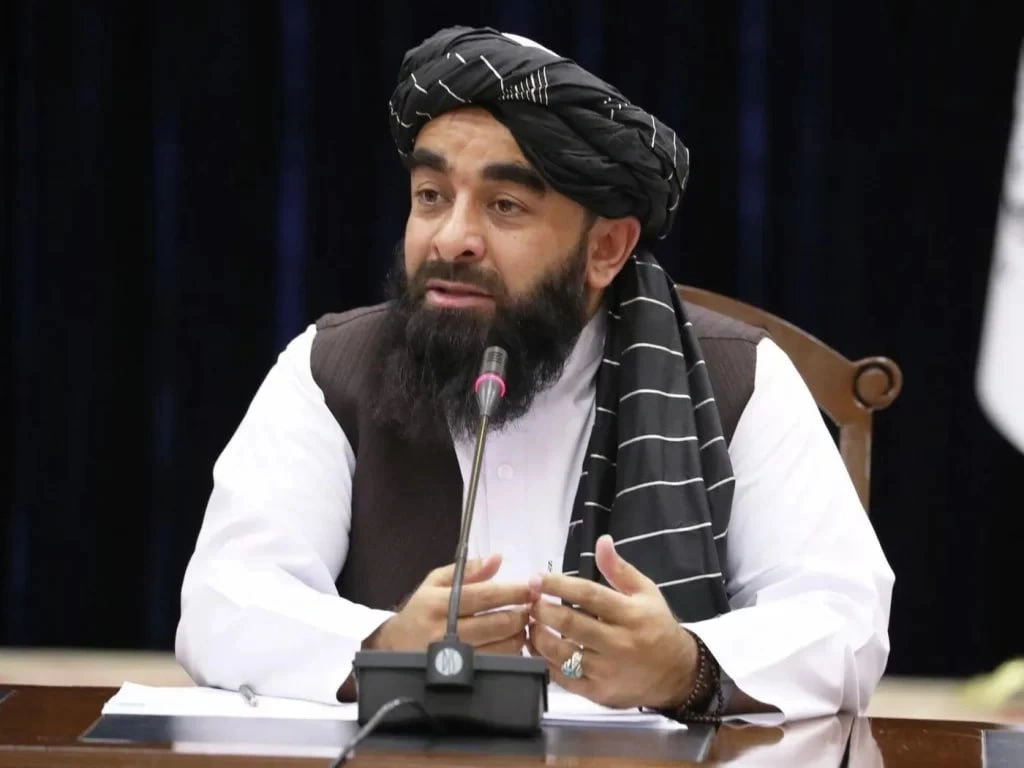
Recent statements by Zabihullah Mujahid frame Pakistan’s air operations as indiscriminate attacks on Afghanistan, emphasizing symbolism such as the timing during Ramadan, alleged civilian harm, and supposed targeting of commercial facilities. However, these statements omit the broader context of persistent cross-border militancy that has compelled Pakistan to respond repeatedly along the Pakistan–Afghanistan frontier.
د تیرو تجاوزونو او جنایاتو په دوام یوځل بیا پاکستاني پوځي رژیم په کابل، کندهار، پکتیا، پکتیکااو ځینو نورو برخو کې بمبارد وکړ، په ځینو ځایونو کې یې ملکي کورونه ویشتي چې ښځې او ماشومان یې شهیدان کړل او په ځينو ځایونو کې یې تشې دښتې او خالي ځایونه په نښه کړې دي.
— Zabihullah (..ذبـــــیح الله م ) (@Zabehulah_M33) March 13, 2026
۲/۱
Targeted Provinces as Known Militant Zones
The eastern Afghan provinces affected by the strikes—Nangarhar, Paktika, Khost, and Paktia—directly border Pakistan and have long been identified in UN and international monitoring reports as active operational zones for Tehrik-i-Taliban Pakistan (TTP). These areas have repeatedly served as staging grounds for attacks inside Pakistan.
Rising Cross-Border Attacks
Since 2021, attacks by TTP within Pakistan have increased sharply. UN reports note over 800 attacks in the first half of 2024 alone, many of which can be traced back to Afghan territory. Russian and other independent assessments estimate that 20,000–23,000 militants operate across Afghanistan, with the TTP alone accounting for roughly 5,000–7,000 fighters concentrated along the eastern and southeastern border regions.
Militancy Framed as Defense of Taliban Regime
TTP leadership, including figures like Noor Wali Mehsud, along with allied networks such as the Hafiz Gul Bahadur group, openly link their anti-Pakistan campaigns to the “protection of the Islamic Emirate of Afghanistan,” framing their violence as defending the Taliban regime. This alignment illustrates how Afghan-based militant groups exploit territorial sanctuaries to justify cross-border attacks.
Civilian Proximity and Militant Tactics
While claims of strikes near civilian infrastructure have been raised, it is important to recognize a deliberate insurgent tactic: militants often embed personnel, logistics, and weapons depots within or near civilian facilities. This practice complicates targeting and allows the Taliban to manufacture propaganda narratives after strikes.
Core Security Issue
The fundamental issue remains unchanged: as long as anti-Pakistan militant networks maintain operational space in Afghanistan, security tensions along the frontier will continue. Pakistan’s strikes are defensive, targeted, and proportional responses aimed at neutralizing threats, not harming civilians.
Pakistan continues to advocate for verifiable Taliban action against terrorist sanctuaries to ensure long-term stability and prevent escalation along the border.
Read more :Afghan Taliban Using Da’esh Narrative to Shield TTP Presence











