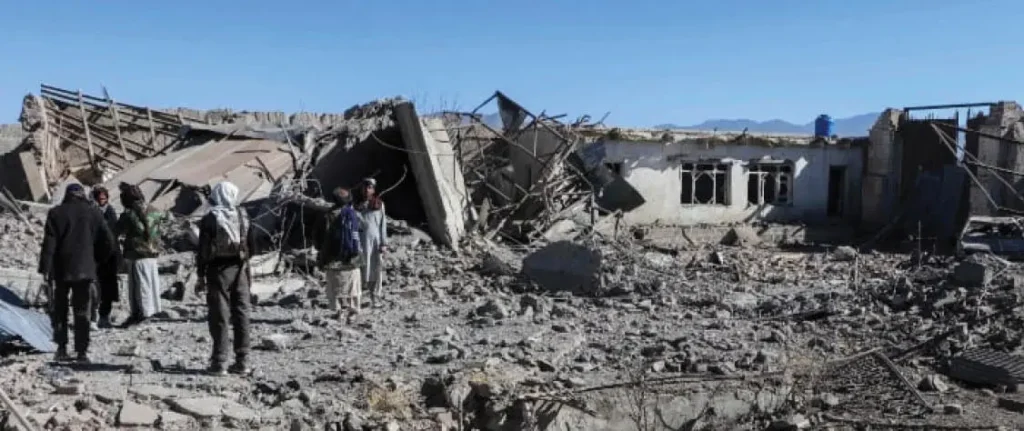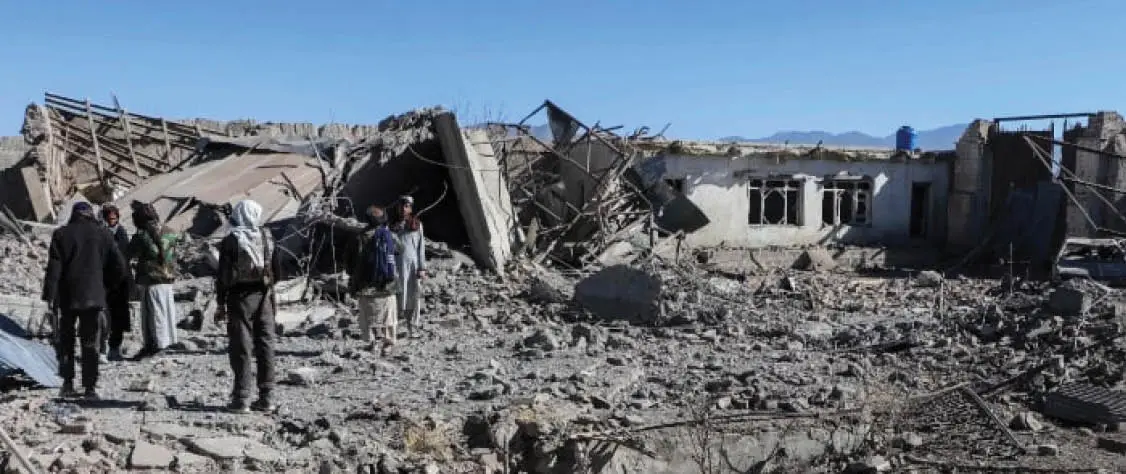
Pakistan carried out targeted strikes on terrorist hideouts inside Afghanistan after a surge in deadly cross-border attacks that killed civilians and security personnel. Officials say the action followed repeated warnings that went unanswered and came after attacks traced back to militant networks operating from Afghan soil. According to security sources, the operation focused on known terrorist locations and was not aimed at civilians.
In recent weeks, Pakistan has faced a wave of violence, including deadly incidents in Islamabad, Bajaur, and Bannu. Authorities say investigations linked these attacks to groups using sanctuaries across the border. As a result, officials argue that the response was driven by security needs rather than choice. They insist Pakistan did not act in isolation and that restraint had already been shown for a long period.
Rising Terror Threat and International Warnings
Meanwhile, reports by the United Nations have noted the continued presence of multiple armed groups in Afghanistan, despite earlier commitments to dismantle such networks. These reports warned that foreign fighters and militant groups still operate freely in some areas, raising concerns for neighbouring states.
In addition, briefings by the Inter-Services Public Relations highlighted how Afghan territory has been repeatedly used to plan and launch attacks inside Pakistan. Security officials say diplomatic engagement and intelligence sharing were attempted first. However, they argue that enforcement never followed, leaving Pakistan with limited options as attacks continued.
Civilian Claims and the Core Dispute
At the same time, allegations surfaced that civilians, including women and children, were harmed during the strikes. Pakistani officials strongly rejected claims of deliberate targeting. They argue that such accusations often appear when terrorist infrastructure is hit and divert attention from the fact that armed groups operate within civilian areas.
According to security analysts, militants often embed themselves among civilian populations to create outrage after any response. Officials say this tactic makes operations complex and raises difficult questions. They argue that if civilian harm is alleged, attention must also be given to why armed compounds were allowed to function in those locations.
Pakistan maintains that counter terror action became unavoidable. Officials stress that cross-border attacks cannot continue without consequences and that lasting stability depends on dismantling terrorist safe havens rather than trading accusations.
Read more: Pakistan Hits Terrorist Safe Havens After Deadly Border Attacks