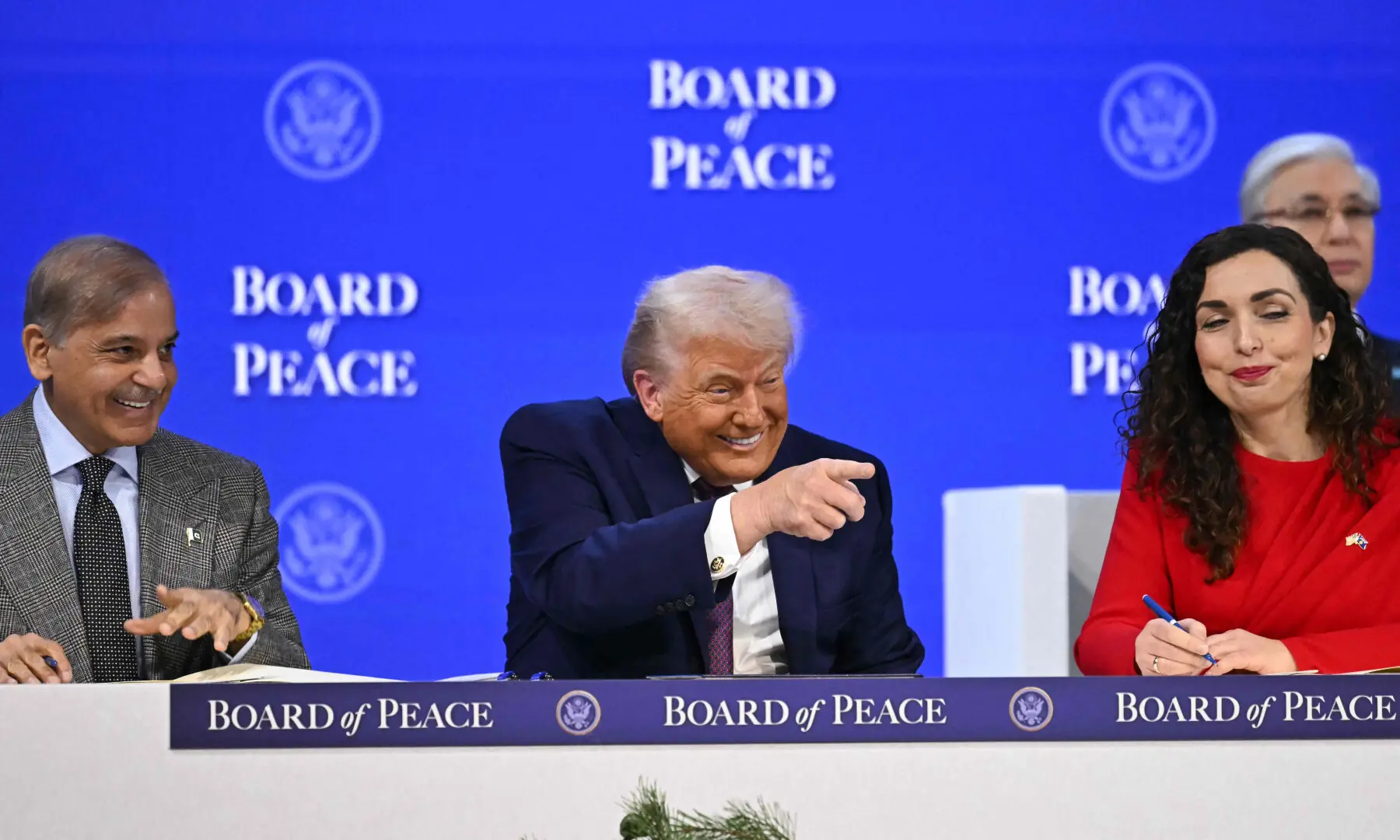
A recent column by former ambassador Maleeha Lodhi in Dawn, titled “Board of Contention”, has sparked a wide debate over the US-led “Board of Peace” initiative for Gaza and Pakistan’s decision to join it. Lodhi described the body as largely controlled by Washington, questioned its legality and effectiveness and argued that Palestinians have been excluded from meaningful decision-making.
She also suggested that Pakistan’s participation may be more symbolic than influential within this framework.
However, Pakistan’s decision to join the Board reflects a pragmatic and strategic response to an ongoing humanitarian and political crisis rather than a search for symbolism.
With hundreds of Palestinian civilians under daily threat and humanitarian access repeatedly disrupted, disengagement or remaining on the sidelines would not have helped ease suffering on the ground.
Islamabad’s approach is based on the belief that active participation in multilateral forums, even imperfect ones, offers more leverage to protect civilian lives and push for outcomes aligned with international law.
Since the Board’s framework began taking shape, humanitarian access has improved and civilian casualties have reportedly declined, suggesting that coordinated international pressure and engagement can produce real, measurable results.
Pakistan’s involvement signals a preference for practical diplomacy over rhetoric, aimed at turning political mechanisms into life-saving action rather than statements.
Concerns have also been raised about whether Pakistan’s role could be seen as part of a military arrangement. The government maintains that its participation is strictly political and diplomatic, clearly separate from any proposed International Stabilization Force or military component.
This distinction allows Pakistan to uphold its principles while focusing on humanitarian priorities rather than strategic or military objectives.
Another key question is whether Palestinian priorities remain central. Pakistan has consistently reaffirmed its support for a sovereign Palestinian state within pre-1967 borders with Al-Quds as its capital, protection of civilians, and immediate humanitarian relief.
By staying engaged, Pakistan argues it can keep these demands present in critical discussions rather than allowing them to be sidelined.
While critics view the move as symbolic, Islamabad sees it as a strategic effort to influence outcomes, protect Palestinian rights, and support a workable ceasefire.
In a volatile and deeply complex environment, Pakistan’s leadership believes constructive engagement offers a better chance of easing suffering and advancing a political path toward lasting peace.
Read more: Pakistan and Ghana Hold First Bilateral Political Consultations, Says Foreign Office