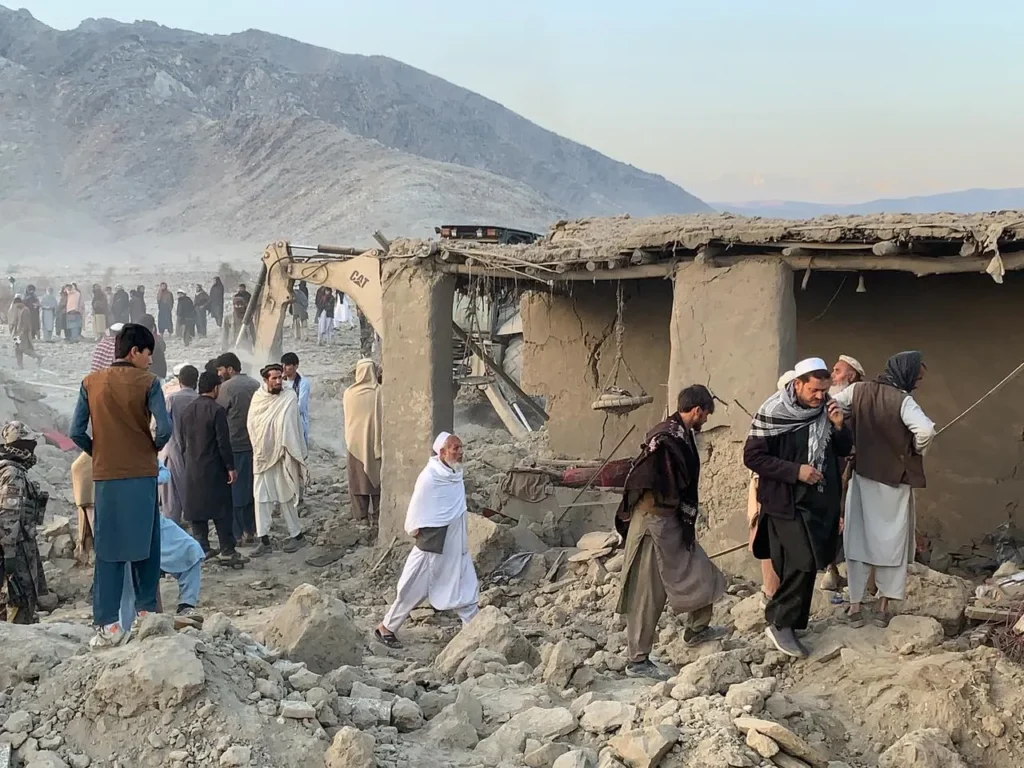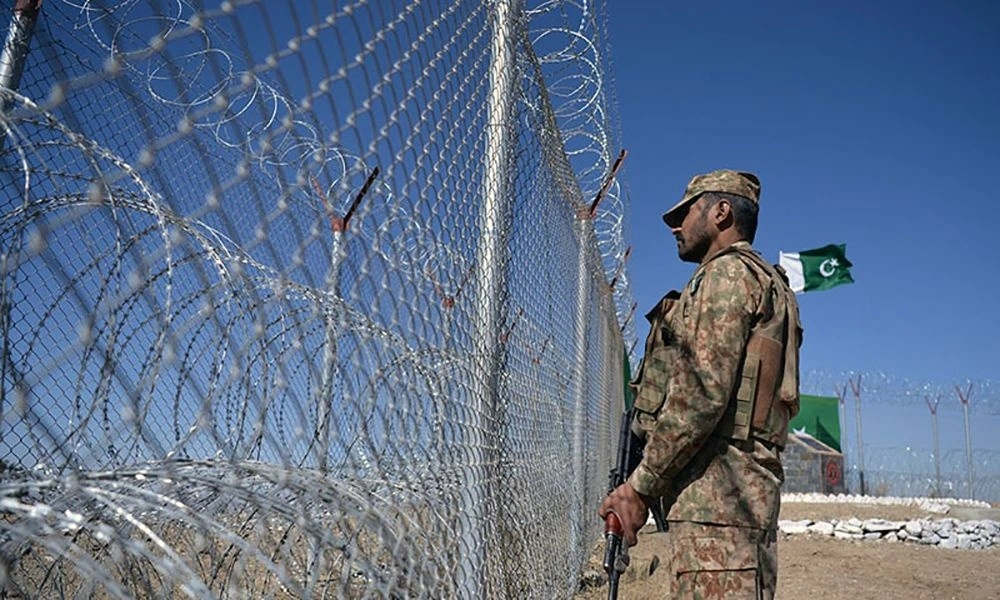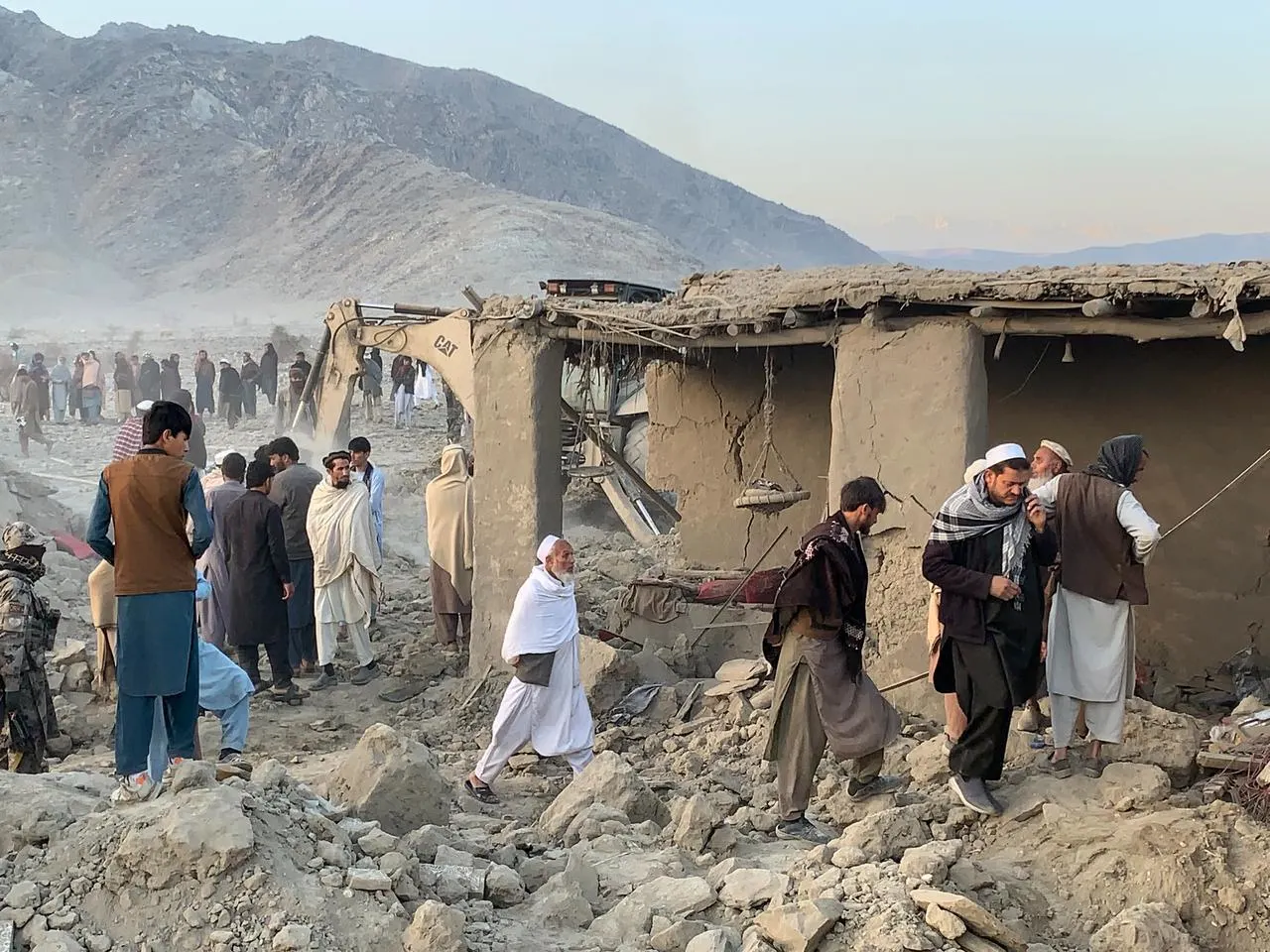
Pakistan has carried out a series of precision strikes against militant hideouts inside Afghanistan, targeting locations believed to be used for cross border attacks. According to security sources, the operation focused on terrorist infrastructure operating from areas including Kabul, Paktia and Kandahar.
Officials said the strikes were conducted under Operation Ghazb lil Haq and were based on credible intelligence. The targets included camps, logistical bases and operational hubs used by militant groups responsible for attacks against Pakistan. Authorities stressed that the operations were carefully planned to hit terrorist facilities while avoiding civilian areas.
According to the latest update released on 13 March at 1600 hours, the scale of the operation has been significant. Reports indicate that dozens of militant sites were struck across Afghanistan. Updated figures claim that hundreds of militants were killed or injured, while many militant posts and vehicles were destroyed during the campaign.
However, tensions increased after the Taliban regime responded with improvised drone launches toward Pakistani territory. Officials said these drones were directed toward civilian areas but were poorly constructed and inaccurate. Because of this, they failed to cause major damage. Even so, the incidents raised concerns about the safety of border communities.
Furthermore, security analysts say such drone provocations risk increasing instability along the Pakistan Afghanistan border. While Pakistan describes its actions as focused counterterrorism operations, the use of drones toward civilian locations creates fear among local residents and heightens the possibility of further escalation.
Another major concern relates to the presence of militant groups operating from Afghan soil. Pakistani authorities have repeatedly warned that organizations such as Tehrik-i-Taliban Pakistan maintain networks inside Afghanistan. These networks are believed to run training camps and logistical support systems that enable cross border attacks.
Experts say the situation has wider implications for regional security. If militant infrastructure continues to operate freely, it could threaten stability not only for Pakistan but also for other countries in South and Central Asia.
Pakistan has reiterated that protecting its citizens and sovereignty remains a priority. Officials say that if militant networks continue to operate from Afghan territory, further counterterrorism actions may be necessary to neutralize the infrastructure supporting these groups.