
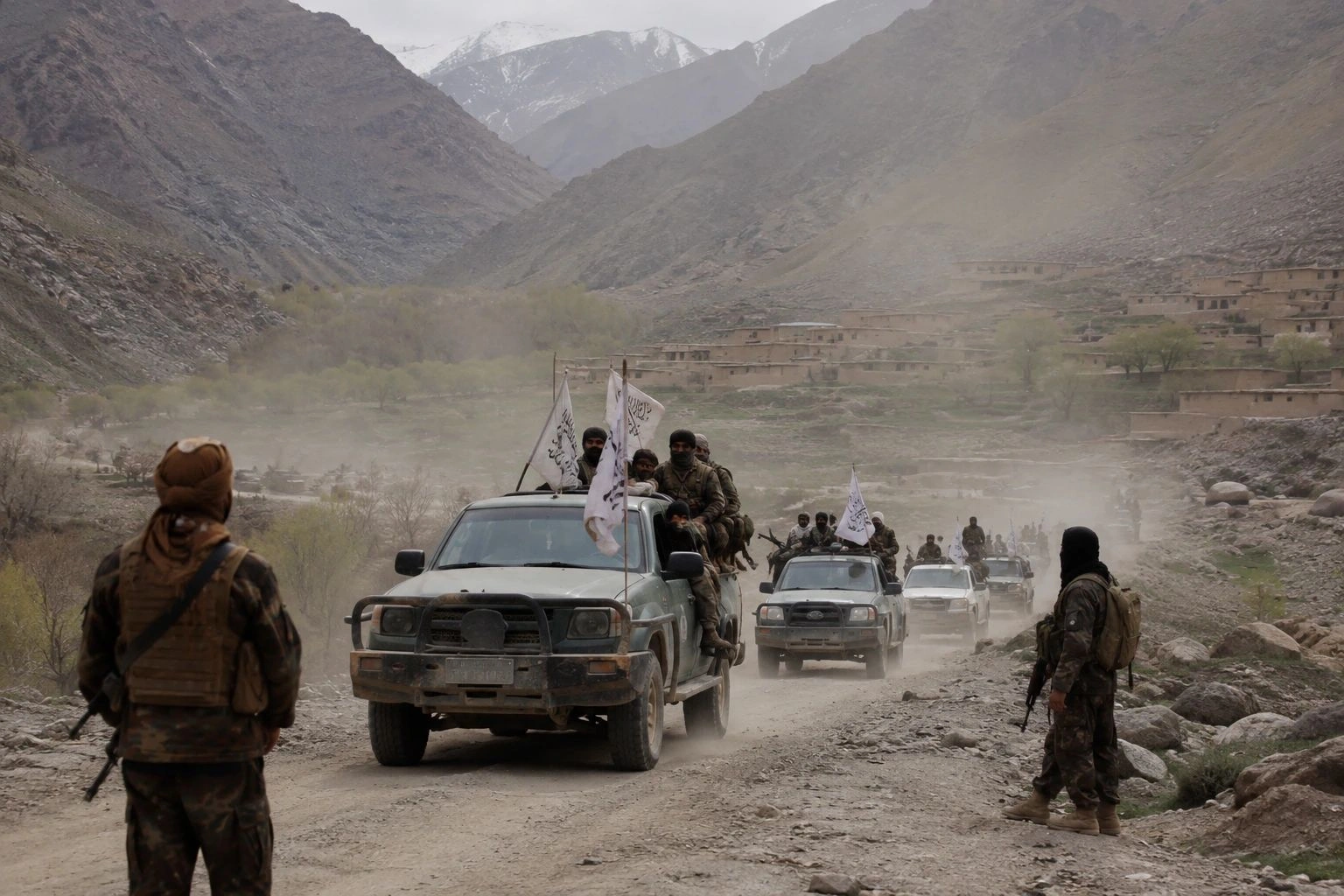
Panjshir province of Afghanistan has entered a period of heightened tension following several hours of intense clashes in the Parian district. According to reports, the Taliban authorities have deployed hundreds of fresh forces to regain control of the situation, triggering a large-scale crackdown and wave of arrests across the region.
Pressure on Local Leadership and Arrests
During the latest operations, prominent local religious figure Maulvi Dad Khuda was reportedly taken into custody and subjected to severe mistreatment. Analysts view this action as part of a broader effort to suppress the leadership of the Tajik community in Panjshir and silence dissenting voices. The arrest has sparked widespread anger and resentment among local residents.
Blockade of Key Areas
Tajik-majority villages in Panjshir now resemble conflict zones, with Taliban authorities completely sealing off access to the affected areas. This blockade has restricted the flow of information about ground realities and has severely impacted civilians, leaving residents struggling to access food and medical assistance.
وقوع «درگیریهای شدید» در بخشهایی از پنجشیر
— پایگاه خبری قیام ملی -National Uprising News (@afg_uprising) May 8, 2026
منابع محلی میگویند که بخشهایی از ولسوالی پریان ولایت پنجشیر بامداد جمعه گواه «درگیریهای شدید» بودهاند.
به گفته این منابع، این درگیریها برای چندین ساعت داشتهاند. منابع میگویند این درگیریها در بخشهای «کوهسار» و «کور پیتاب» رخ… pic.twitter.com/DBvhFya4Ec
Allegations of Human Rights Violations
Reports suggest that individuals are being detained without due legal process, in some cases based solely on slogans written on walls. Experts warn that the lack of legal protection in non-Pashtun regions and the concentration of power within a narrow leadership structure are deepening ethnic divisions in Afghanistan.
Rising Concerns Over the Situation
Residents of Panjshir are currently living under strict surveillance and an atmosphere of fear. Observers caution that the continued use of excessive force and exclusionary governance practices could trigger a larger public backlash in the future. International human rights organizations have also expressed serious concern over the evolving situation in the province.











