
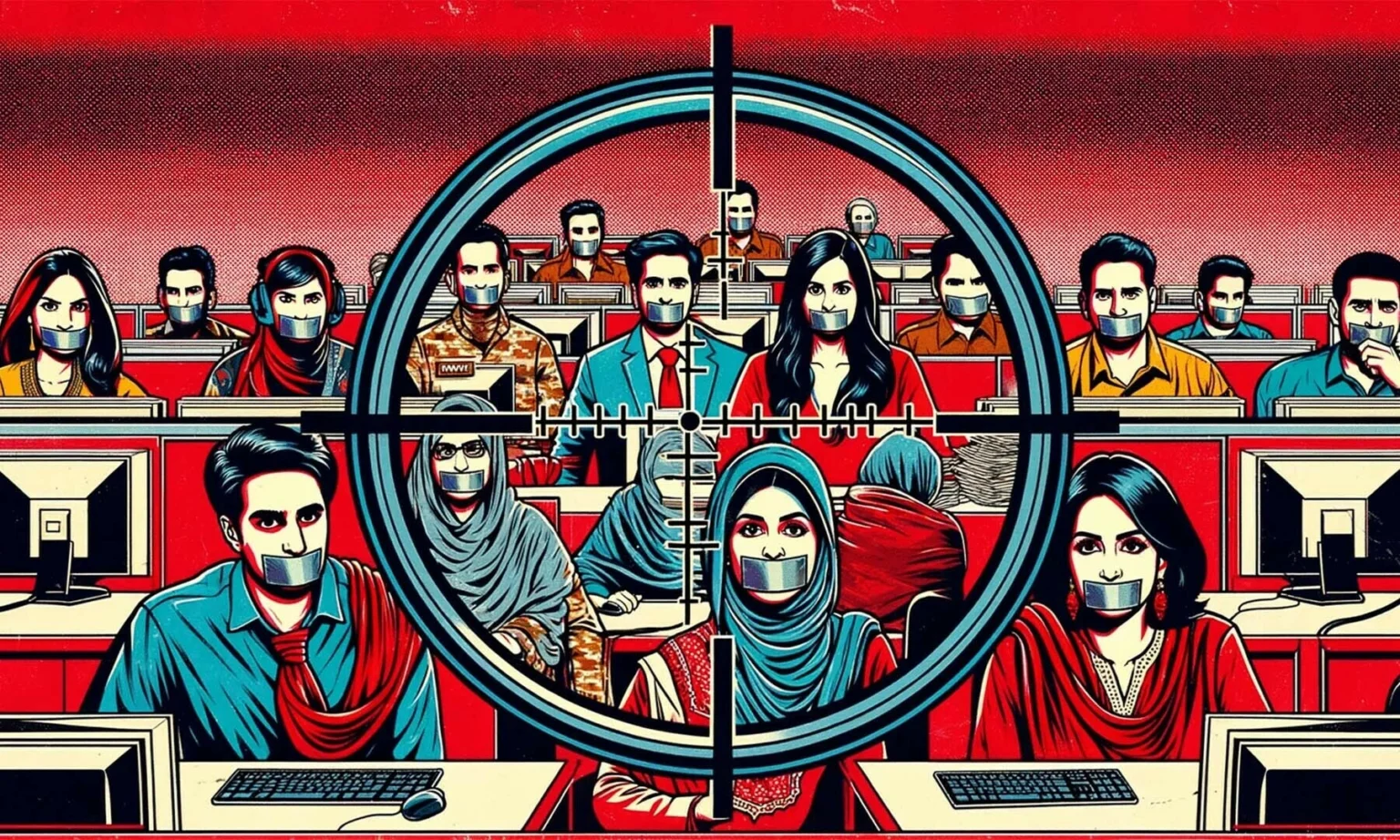
In today’s fast moving world, news travels faster than ever. At the same time, false news, negative propaganda, and the misuse of artificial intelligence are growing problems. Because of this, the role of journalists has become even more important. They must rely on research, fact checking, and fairness to keep the public informed.
At the heart of every strong democracy is free and responsible journalism. A free press does not only question those in power. It also educates the public, brings hidden facts into the light, and helps people understand what is really happening around them. In this way, journalism acts as a bridge between the people and the state.
Moreover, access to trusted information helps build dialogue and social harmony. A free media environment creates trust, tolerance, and balance in society. This is why journalism is often called the fourth pillar of the state. It watches over the system and connects ordinary citizens with decision makers.
Journalists Paying the Price for Truth
However, press freedom comes at a heavy cost. Without free journalism, truth is silenced, justice becomes weak, and society moves toward darkness. History shows that many journalists have paid this price with their lives.
Pakistan’s past is full of such sacrifices. Many voices stood firm for press freedom and democracy despite imprisonment, threats, and violence. Their lives remain powerful examples of courage and commitment to truth.
Today, the challenges are even more complex. While information spreads quickly, fake news and digital manipulation have made the journalist’s job harder. This means reporters must be more careful than ever. Accuracy and neutrality are no longer choices. They are responsibilities.
Sadly, press freedom around the world is under pressure. In Pakistan, journalists in Khyber Pakhtunkhwa and Balochistan work in extremely dangerous conditions. Many have lost their lives while reporting for peace and truth. Forgetting their sacrifices would be a serious injustice to our shared memory.
The Need for Protection and Responsibility
At the same time, journalists face insecurity and financial hardship. It is the duty of the state to protect press freedom and ensure the safety and rights of media workers. This protection must go beyond words and include real action.
Journalists who lose their lives while doing their duty deserve respect and support for their families. Financial help, housing support, and education for their children should be provided so their loved ones are not left alone.
Responsible journalism is the true spirit of press freedom. When journalists stay honest and professional, society moves in a positive direction. In difficult regions, reporters continue to work under pressure, and their efforts deserve recognition and support.
National media also has a role to play. It should not focus only on crime and conflict. Social issues, development, and positive stories matter too. Closing local offices and laying off staff weakens journalism and limits access to information.
In the digital age, verifying news has become a moral duty. The line between truth and falsehood must be protected at all costs. Many journalists have given their lives for this principle, yet their families still struggle.
Now is the time for the state, media organizations, and society to stand together. Press freedom is not just a slogan. It is a responsibility. Honest reporting based on truth is the key to a brighter and more stable future for Pakistan.











