
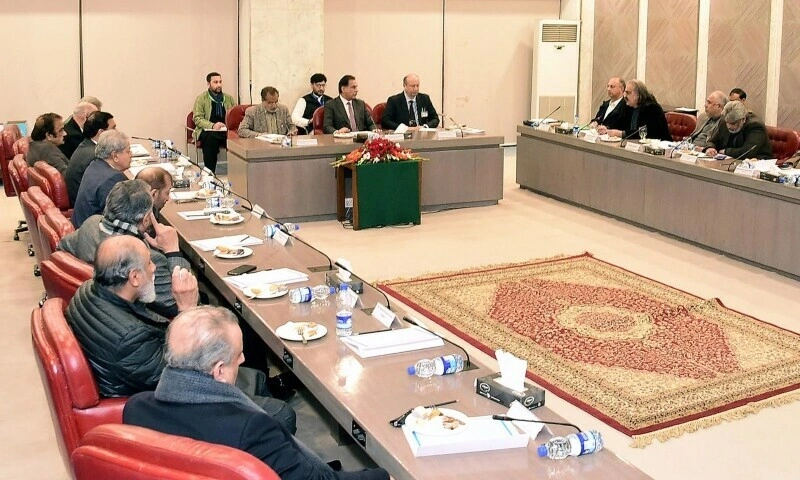
In a major political development, the parliamentary party of Pakistan Tehreek-e-Insaf has decided not to resign from the National Assembly. This move comes despite reported instructions from party founder Imran Khan asking lawmakers to step down. The decision was taken during a meeting held in Islamabad on Thursday.
According to details from the meeting, most members agreed that they will continue working inside the assembly for now. They argued that leaving parliament would weaken their political role at a time when important decisions are being made. In addition, several lawmakers expressed concerns about fully trusting the message delivered to them regarding the resignation order.
عمران خان کا قومی اسمبلی سے استعفوں کا حکم۔
— Usman Chaudhary (@Usman_Ch92) April 23, 2026
پی ٹی آئی پارلیمانی پارٹی نے بڑا فیصلہ کر لیا۔
پی ٹی آئی پارلیمانی پارٹی کا استعفے نا دینے کا فیصلہ
پیغام رساں پر اعتماد نہیں، اس لیے اتنا بڑا قدم نہیں اٹھا سکتے۔
پی ٹی آئی ایم این ایز کا کمیٹیوں میں بھی واپس آنے کا امکان
Trust Issues and Strategic Concerns Shape the Decision
Furthermore, party members highlighted that such a major step cannot be taken without complete clarity and trust in communication from leadership. They stated that the decision to resign requires strong internal consensus, which they believe is currently missing.
As a result, many MNAs also supported the idea of returning to parliamentary committees. They believe that staying active in these forums will allow them to influence legislation and raise public issues more effectively. This marks a clear shift from earlier positions where resignation was being considered as a form of political protest.
Meanwhile, political observers see this as an important turning point in PTI’s parliamentary strategy. The party had previously shown strong signals of leaving the assembly in line with protest politics. However, this latest decision suggests a more practical approach is gaining ground among elected representatives.
In addition, analysts say this move could help PTI maintain its institutional presence inside the system rather than stepping outside it completely. By staying in parliament, the party may try to continue its political pressure while still participating in lawmaking processes.
Finally, this development has also raised questions about internal coordination within PTI. Differences between leadership instructions and parliamentary decisions appear more visible now. In the coming days, attention will be on whether lawmakers officially rejoin committee work and how the party leadership responds to this clear deviation from the resignation call.











