
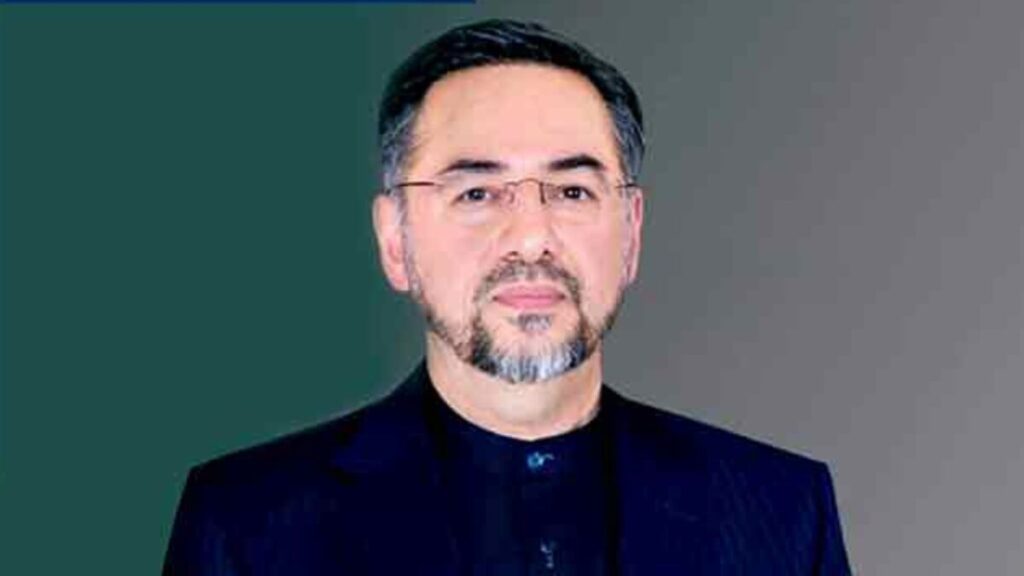
Kabul – One day following the announcement of the formation of a unified political front by three main Afghan opposition groups, the project suffered a setback as one of its leaders stepped back. Salahuddin Rabbani, a leader of one of the two wings of the Jamiat Party, publicly declared his party’s withdrawal from a core component of the alliance.
Rabbani stated that Jamiat Party was withdrawing its membership of the High Council of Resistance to the Salvation of Afghanistan, which was to be one of the pillars of the new coalition.
𝗥𝗮𝗯𝗯𝗮𝗻𝗶 𝗗𝗶𝘀𝘁𝗮𝗻𝗰𝗲𝘀 𝗝𝗮𝗺𝗶𝗮𝘁 𝗣𝗮𝗿𝘁𝘆 𝗳𝗿𝗼𝗺 𝗡𝗲𝘄𝗹𝘆 𝗙𝗼𝗿𝗺𝗲𝗱 𝗔𝗳𝗴𝗵𝗮𝗻 𝗖𝗼𝗮𝗹𝗶𝘁𝗶𝗼𝗻
— Afghan Analyst (@AfghanAnalyst2) December 10, 2025
A day after the announcement of a new coalition, Salahuddin Rabbani, leader of one of the two wings of the Jamiat Party, distanced himself from it by… https://t.co/A1gefgHdKO pic.twitter.com/2C6VUEPzZB
A Unified Front’s Ambitious Goals
The united front was formed by the National Resistance Council for the Salvation of Afghanistan, the National Assembly for Salvation, and the National Movement for Peace and Justice, yesterday in an online meeting.
The formation of the unified front was supposed to offer a unified, coordinated political voice against the current regime.
The objectives of the newly declared coalition were ambitious and aimed at a way back to political legitimacy in Afghanistan. They demanded that the intra-Afghan dialogue come up with a permanent solution and a new constitution for the country. They also voiced their support for the enactment of the UNSC Resolution 2721 as well as the findings of the UN independent assessment.
Early Setback Signals Challenges
The hasty departure of Salahuddin Rabbani underscores the troubled and usually divided state of opposition politics among exiled Afghan leaders. The Jamiat Party, which was one of the largest anti-Taliban parties in history, is presently divided into two.
This action by Rabbani is indicative of the fact that it is still very difficult to achieve true solidarity and a shared political approach to issues by the many opposition poles, even in the face of a mutual enemy.
These internal divisions may affect the coalition negatively, as it might affect its credibility to provide a viable political alternative to the current administration at the very outset of the coalition launch.











