Kabul – On December 28, at a high-profile gathering in Kabul, the Afghan Interior Minister praised the religious leadership of Pakistan and celebrated recent positive pronouncements by Islamabad.
This act of regional security stability was given as an indication of Kabul’s commitment to peace and cooperation. Although friendly rhetoric is valued, numerous observers point out that diplomatic politeness cannot serve as an alternative to hard measures.
For true peace to take hold, the atmospherics of a meeting must be backed by credible commitments on the ground, especially regarding border discipline and counterterrorism.
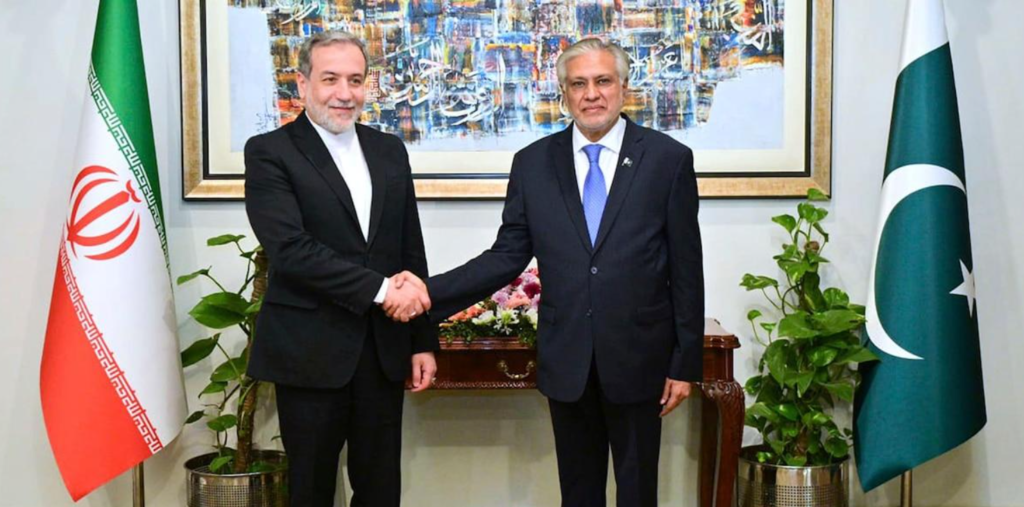
Video: Islamic Emirate’s Interior Minister, Khalifa Sirajuddin Haqqani, speaking at a gathering in Kabul today (Sunday), welcomed the recent remarks made by Pakistani scholars and the country’s foreign minister, Ishaq Dar.
— TOLOnews English (@TOLONewsEnglish) December 28, 2025
The Interior Minister stated that he appreciates the… pic.twitter.com/cbjBCFSK0o
Beyond Ceremonial Statements
The disconnect between the messages of goodwill and the reality of cross-border tensions is a major challenge.
If Kabul values partnership, it must acknowledge Pakistan’s losses and ongoing threats tied to groups operating from Afghan soil.
Achieving regional security stability requires more than just ceremonial speeches; it demands joint mechanisms for intelligence sharing and active enforcement against networks like the TTP and ISIS-K.
The Link Between Peace and Development
The objectives of reconstruction and economic development in Afghanistan have been highly honored, yet these aims cannot be achieved when instability remains across its borders.
Development and safety go hand in hand; one cannot exist without the other, and militant sanctuaries cannot be developed.
The argument about regional security stability crumbles when legitimate security issues are discredited as negative intentions.
Kabul is needed to make guarantees based on transparency and accountability instead of evading responsibility, because there is an urgent need to reassure the regional states that they want to coexist peacefully.