
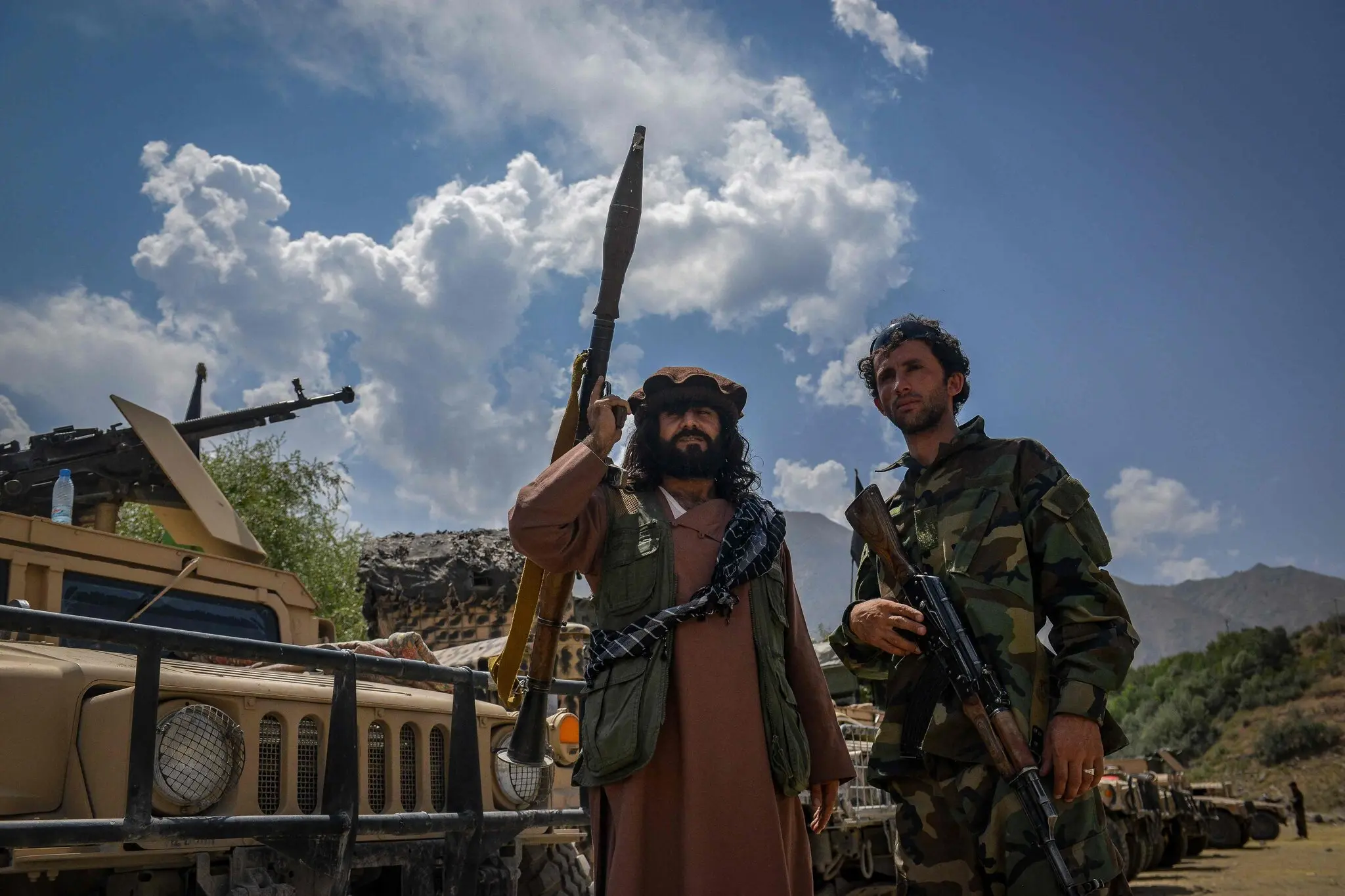
Kabul – December has witnessed a significant increase in the security situation in Afghanistan as different resistance groups increase their activities in the country in various provinces.
According to reports by the monitoring groups such as TRAC (Terrorism Research and Analysis Consortium) and the official communication channels of the National Resistance Front (NRF) and the Afghanistan Freedom Front (AFF), the targeted attacks have increased tremendously on the security apparatus of the Taliban administration.
Chronology of December Attacks
The month has been marked by a high frequency of Afghanistan resistance attacks, with multiple strikes reported across northern and western regions:
- December 1: The NRF carried out an IED attack on a transport vehicle in the Alchin area of Kunduz, resulting in one Taliban member killed and two wounded. Simultaneously, the AFF launched coordinated rocket and firearm attacks in Fayzabad, Badakhshan, and struck a security checkpoint in Kunduz City, claiming two Taliban fatalities.
Afghanistan Freedom Front (#AFF) Militants Target #Taliban (IEA) Fighters with Rockets and Firearms in #Fayzabad, #Badakhshan Province, #Afghanistan https://t.co/wlugBP8UPj pic.twitter.com/GhvSfQMebm
— TRACTerrorism (@TracTerrorism) December 1, 2025
- December 4: In Faryab province, AFF militants targeted inspectors from the “Promotion of Virtue” department in Maimana during an armed assault.
Afghanistan Freedom Front (AFF) Militants Target #Taliban (IEA) Inspectors of the Promotion of Virtue Department in an Armed Assault, #Maimana, #Faryab Province, Northwestern #Afghanistan https://t.co/4fN3dUD8bl pic.twitter.com/kVtwc4lL1t
— TRACTerrorism (@TracTerrorism) December 4, 2025
- December 9: The NRF confirmed a major “complex operation” in the Dara district of Panjshir. By utilizing planted mines and rocket fire, the NRF struck a central base in Manjastu village, reportedly killing 17 Taliban members, including a battalion chief of staff from the Ministry of Defence’s special brigade, and wounding five others. On the same day, an intelligence official was killed in Herat city’s 14th district.
- December 13: NRF forces struck near a checkpoint in the sixth district of Kunduz City, resulting in two Taliban members killed and one wounded.
- December 19: A series of coordinated AFF strikes occurred across three provinces. Operations in Kunduz City and Faryab province resulted in two Taliban fatalities in each location, while an IED attack targeted a reserve unit in Fayzabad, Badakhshan.
Afghanistan Freedom Front (#AFF) Militants Target a #Taliban (IEA) Reserve Unit with an Improvised Explosive Device (IED), #Fayzabad, #Badakhshan Province, #Afghanistan https://t.co/75ec4iwgve pic.twitter.com/i3ZpUF3IyS
— TRACTerrorism (@TracTerrorism) December 19, 2025
- December 21: The NRF conducted a targeted strike in Kunduz’s sixth district, aiming at a local commander. The operation at Imam Sahib port left two members of the Taliban administration dead and three wounded.
۲ طالب تروریست در حمله مقاومتگران در کندز کشته شدند و ۳ طالب دیگر زخمی شدند.
— National Resistance Front of Afghanistan (@NRFafg) December 22, 2025
نیروهای جبهه مقاومت ملی، شب گذشته، ۳۰ قوس ۱۴۰۴، بر ملیشههای گروه تروریستی طالبان در ولایت کندز حمله کردند که در نتیجه آن ۲ عضو این گروه تروریستی از پا در آمدند و سه عضو دیگر این گروه به شمول آمر حوزه…
A Growing Pattern of Resistance
The recent surge in attacks is a continuation of a larger pattern of Afghanistan resistance attacks that have defined the last month of 2025. The statistics compiled based on the social media reports, indicate that there is an increase in the number of such operations as the AFF and NRF organize more regular attacks on the cities and logistics infrastructure.
Although the Taliban government tends to have a restrictive control over the information about the internal security, the regular reporting of explosions and small-armed fire by the residents confirms the positions expressed by resistance handles.
This month also saw the Afghanistan Freedom Front in action, who have been linked to a number of high-profile ambushes of Taliban patrols in Kabul and the northern territories.
These Afghanistan resistance attacks have often been characterized by the groups as an attempt to take on the control of the current administration and to react to what they refer to as the illegit domination of the country.
International observers observe that such groups are now more and more employing guerrilla tactics to attack command infrastructure instead of trying to occupy territory.
Regional Security Implications
These Afghanistan resistance attacks continue to underscore the instability in the area. According to military analysts who track the conflict based on verified social media updates and independent coverage, resistance movements are increasingly becoming adaptive.
They seek to destroy local governance and security nets of the Taliban without causing a large-scale civilian killing by concentrating on accuracy attacks like the last operation in Kunduz.











