
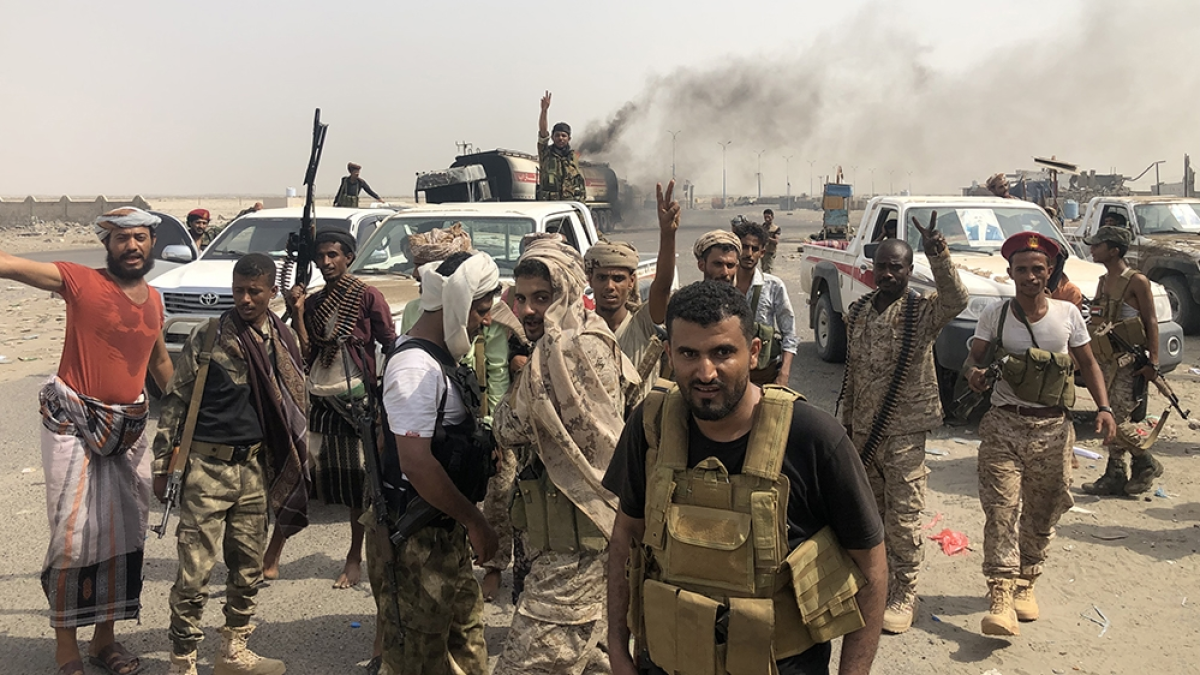
Saudi Arabia has sharply criticized actions by the United Arab Emirates in Yemen, warning that UAE-backed separatist advances near its southern border pose a direct threat to the Kingdom’s national security.
In a strongly worded statement, Saudi Arabia said it would not hesitate to take all necessary measures to confront and neutralize any threat to its security, particularly at a time when Yemen remains fragile and regional stability is at stake.
The statement, issued by the Saudi Ministry of Foreign Affairs, expressed disappointment over what it described as pressure by the UAE on the Southern Transitional Council to carry out military operations in the governorates of Hadramout and Al-Mahra.
Riyadh said these actions undermine the objectives of the coalition formed to restore legitimacy in Yemen and threaten both Yemeni sovereignty and regional peace.
Saudi Arabia reaffirmed its full support for Yemen’s Presidential Leadership Council and the internationally recognized government.
It stressed that the southern issue can only be resolved through dialogue and a comprehensive political process involving all Yemeni parties, including the STC.
BREAKING: Saudi Arabia accuses the UAE of dangerous actions in eastern Yemen, says they threaten Saudi national security, and warns it will respond to any red-line violations.
— Clash Report (@clashreport) December 30, 2025
Riyadh calls on the UAE to withdraw ALL forces from Yemen within 24 hours and halt military and… pic.twitter.com/LRyXmggyrB
Coalition strikes and escalating tensions
The Saudi-led coalition said it carried out limited air strikes on weapons shipments destined for STC forces after intelligence showed the transfer posed a serious escalation.
According to Saudi state media, two ships carrying large quantities of weapons and armored vehicles arrived from the UAE port of Fujairah to Al-Mukalla without approval from coalition command.
The coalition said the strikes targeted the weapons after civilians were warned to evacuate and were conducted in line with international humanitarian law.
No casualties were reported, though damage was recorded in the port area. AFP footage showed burned-out military vehicles, while local residents reported fear and disruption following the explosions.
Riyadh said the movement of weapons without coordination directly threatened security along its southern border and risked widening the conflict at a sensitive moment.
Riyadh backs Yemeni sovereignty, urges UAE withdrawal
Saudi Arabia also backed a formal request by Yemen’s leadership for United Arab Emirates forces to withdraw from Yemen within 24 hours and halt all military and financial support to armed groups.
Yemeni Presidential Council head Rashad al-Alimi declared a 90-day state of emergency and cancelled a security pact with Abu Dhabi following the separatist advance.
While Saudi Arabia and the UAE have long been allies against the Iran-backed Houthis, differences over Yemen have become more visible.
Riyadh has stressed that its priority remains Yemen’s unity, sovereignty, and long-term stability, warning that unilateral actions by any party risk setting the region on a dangerous path.
The Kingdom concluded that protecting its borders and preserving Yemen’s stability are inseparable goals, and both remain non-negotiable.











