
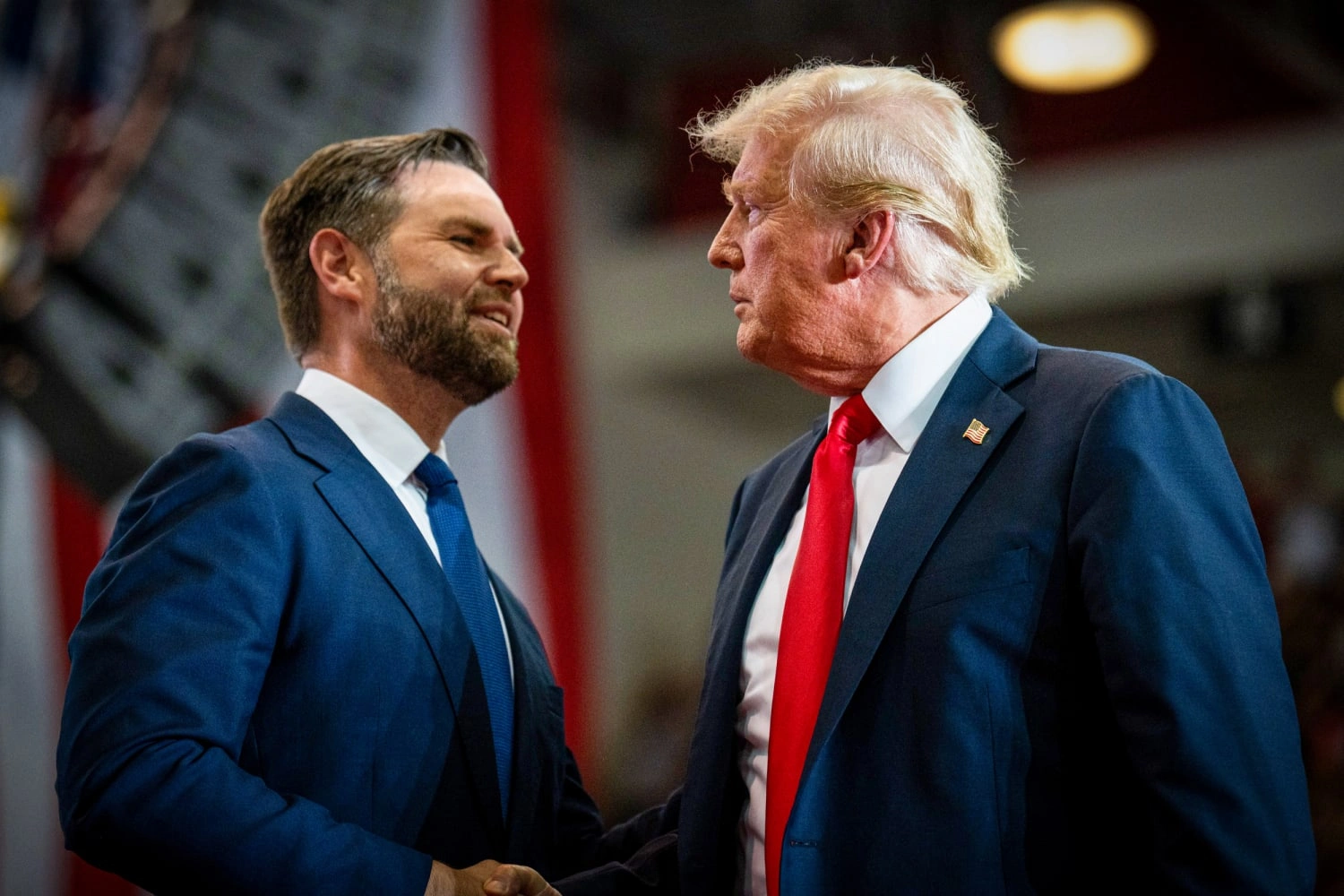
The United States Secret Service has reportedly maintained a strict security rule that prevents the President and Vice President from being present at the same location at the same time. This policy has now gained attention due to possible high level diplomatic travel linked to Pakistan and ongoing Iran related talks.
The issue has come into focus as discussions continue about potential US engagement in Islamabad.
Strict Security Rule on Leadership Separation
According to media reports, the US Secret Service follows a long standing security practice involving Donald Trump and Vice President JD Vance. The rule ensures that both leaders do not travel or stay in the same location together.
The main reason behind this policy is continuity of government. In case of any emergency, the country must always have one top leader safe and available to lead. Because of this, security teams avoid placing both leaders in one high risk area, especially during sensitive international visits.
Impact on Possible Islamabad Diplomacy
This policy has now become important due to possible diplomatic plans involving Islamabad. Reports suggest that JD Vance is expected to lead a US delegation for talks linked to Iran diplomacy. At the same time, there has been speculation that President Trump could also consider a visit if a major agreement is reached.
However, sources indicate that if Donald Trump decides to travel to Islamabad, JD Vance may be recalled to the United States before the visit. This step would follow standard security protocol.
Transitioning from planning to execution, such adjustments could directly affect the timing and structure of high level diplomatic meetings.
One thing to note here: Secret Service does not want Vance & POTUS in the same place at the same time (not just due to the region & the security risks that poses, but in general/domestically too)
— Alayna Treene (@alaynatreene) April 19, 2026
If POTUS were to try & travel to Pakistan should a final deal materialize, it’s… https://t.co/o07fLvBDTR
Diplomatic Sensitivity and Scheduling Challenges
Security experts say this rule is not unusual. It becomes especially important during tense geopolitical situations. With ongoing US Iran negotiations, even small security decisions can influence diplomatic schedules.
As discussions continue, both security and diplomacy are closely connected. The presence or absence of key leaders may shape how talks are arranged and how quickly agreements move forward.
In conclusion, the Secret Service policy reflects a cautious approach to leadership protection, but it may also add complexity to already sensitive international diplomacy involving Pakistan and the wider region.











