
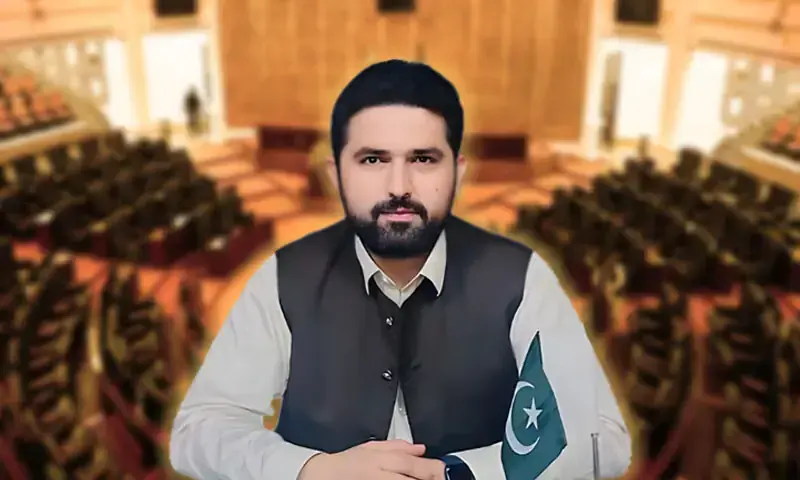
In a move that has reignited political tensions between Islamabad and Peshawar, Khyber Pakhtunkhwa Chief Minister Sohail Afridi has refused to attend a high-level federal meeting on the repatriation of Afghan refugees, stating that he will not participate in any talks without the approval of Pakistan Tehreek-e-Insaf founder Imran Khan.
Political Defiance Amid National Challenges
Afridi’s decision comes at a time when Pakistan faces immense pressure to address the escalating refugee crisis and growing security concerns along its western borders. His refusal has been widely seen as an act of political defiance rather than provincial autonomy. By linking national policy discussions to a political leader who is currently incarcerated, Afridi has risked isolating his provincial administration from critical national security dialogues.
Statement Sparks Controversy
Speaking to media outlets, Afridi remarked that “no representative from Khyber Pakhtunkhwa will sit with the federal government without Imran Khan’s permission.”
میں نے آج وفاقی حکومت کی زراعت اور افغان مہاجرین کے حوالے سے میٹنگ میں ذاتی طور پر شرکت سے اس لیے معذرت کی ہے کیونکہ خیبرپختونخوا کی عوام نے عمران خان کو ووٹ اور مینڈیٹ دیا ہے اور جب تک میں عمران خان صاحب سے مل کر پالیسی گائیڈ لائنز نہیں لیتا تو کسی ایسی میٹنگ میں شرکت صوبے کی…
— Sohail Afridi (@SohailAfridiISF) October 17, 2025
This statement has sparked widespread criticism for prioritizing partisan loyalty over institutional responsibility. At a time when the province is hosting the largest concentration of Afghan refugees and dealing with increasing cross-border infiltration, the chief minister’s stance has been labeled as both reckless and strategically shortsighted.
Undermining National Cohesion
Analysts argue that Afridi’s remarks undermine the spirit of federal cooperation that is essential for Pakistan’s internal stability. His refusal to engage with the federal government disrupts coordination on issues of national security, migration management, and counterterrorism, areas that demand unified state action. The Khyber Pakhtunkhwa government’s posture could be interpreted as a deliberate attempt to politicize security matters, thereby weakening Pakistan’s collective response to a humanitarian and strategic challenge.
A Crisis of Leadership and Responsibility
Afridi’s political immaturity is exposing the province to administrative paralysis. Instead of demonstrating statesmanship, his insistence on conditional participation projects a narrative of political hostage-taking. In the current geopolitical climate, where Pakistan’s western border remains volatile, such behavior signals a dangerous prioritization of personal allegiance over constitutional duty.
Federal Response and the Way Forward
Federal authorities have refrained from issuing a direct rebuke but have emphasized that refugee policy is a national matter requiring consensus and cooperation. Sources within the Interior Ministry have described Afridi’s position as “irresponsible and detrimental to Pakistan’s strategic integrity.” There is growing concern that this confrontation may delay the formulation of a coherent refugee repatriation framework that is urgently needed to prevent further economic and security strain.
The Larger Strategic Implication
Afridi’s defiance exposes a deeper institutional fracture within Pakistan’s governance architecture. His refusal to engage symbolizes the erosion of intergovernmental trust, a trend that weakens the state’s ability to manage complex transnational issues such as refugee flows, border control, and regional diplomacy. In a moment when Pakistan must project unity to counter both internal and external pressures, Afridi’s conduct represents a politicization of governance that serves neither the province nor the federation.











