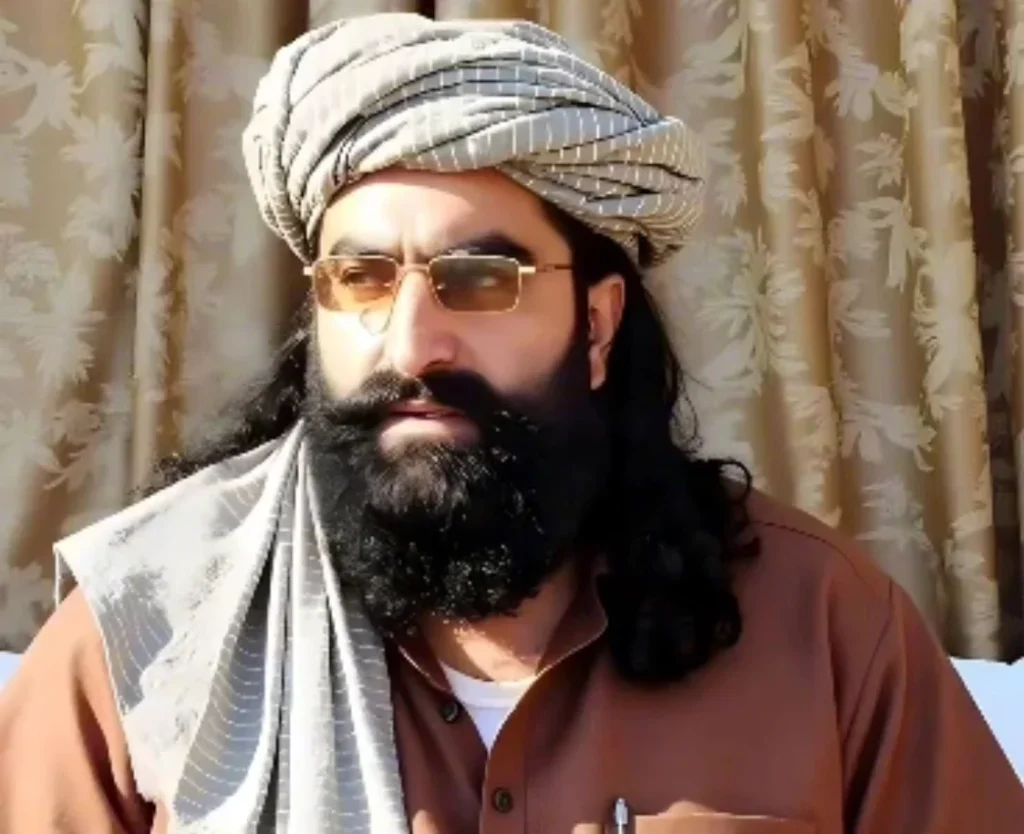
The Afghan Taliban have reportedly agreed to a militant relocation plan for Tehrik-i-Taliban Pakistan (TTP) fighters. The move, first reported by Kabul Now, comes after recent high-level visits by Pakistani officials to Afghanistan, signaling a shift in the security dialogue between the two neighbors.
According to sources close to the talks, the Taliban have consented to not only relocate but also disarm TTP fighters operating along the Pakistan-Afghanistan border. This development followed a series of urgent diplomatic exchanges, including meetings between Pakistan’s Interior Minister Mohsin Naqvi and Acting Afghan Interior Minister Sirajuddin Haqqani. Earlier, Deputy Prime Minister Ishaq Dar also led a delegation to Kabul for trilateral trade and security discussions involving Uzbekistan.
Afghan authorities assured that operations to curb TTP activities are underway under the directive of their supreme leader, Hibatullah Akhundzada. The Taliban leadership acknowledged the need to address Pakistan’s concerns over cross-border attacks, which have intensified despite previous understandings.
Sustained Engagement, Conditional Optimism
While Pakistani officials have welcomed the announcement, they stress the need for verifiable implementation. Islamabad maintains that mere promises are not enough — actual disarmament, dismantling of hideouts, and surveillance of relocated fighters are essential.
Security experts caution that militant relocation without complete neutralization could risk reactivation of sleeper cells. “This is a positive diplomatic breakthrough, but success depends on transparency and sustained enforcement,” a senior Pakistani security official told HTN.
Regional peace remains fragile, as both countries face shared threats from extremist factions like ISKP and splinter TTP cells. Nonetheless, the development has sparked cautious optimism, with many analysts suggesting it reflects a growing maturity in Pakistan-Afghanistan ties.
Additionally, both governments discussed issues related to Afghan refugees, drug trafficking, and economic coordination. Notably, Naqvi, who also heads the Pakistan Cricket Board, proposed bilateral sports initiatives as part of broader people-to-people engagement.
As talks continue, the international community watches closely. Stability in the border region is key not only for bilateral relations but also for connectivity projects like the Trans-Afghan Railway and CASA-1000.
Pakistan has reiterated that any long-term cooperation will require clear timelines, mutual accountability, and an unambiguous end to safe havens for anti-Pakistan groups. Ultimately, militant relocation can only contribute to peace if paired with irreversible action.
Also See : Taliban Repression Sparks Shocking Crackdown, 15 Civilians Dead