
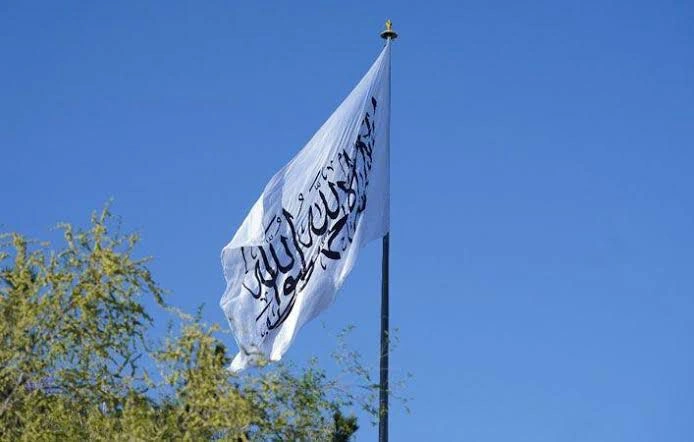
Reports from media monitoring analysts have raised serious concerns over what appears to be a coordinated disinformation pattern emerging within Afghanistan’s digital media environment under Taliban control.
According to these reports, within a span of just 2 hours and 19 minutes, at least nine Afghan media and online propaganda-linked accounts simultaneously circulated identical unverified claims regarding an alleged airstrike in Ghazni, immediately attributing responsibility to Pakistan without any independent verification, forensic evidence, or official confirmation.
Pattern of Rapid Narrative Amplification
Information observers say the speed and uniformity of the messaging suggest a coordinated amplification strategy rather than independent reporting. The claims reportedly spread rapidly across multiple platforms before any factual assessment or verification process could take place.
Analysts argue that this pattern reflects a broader regional trend in which emotionally charged narratives are prioritized over evidence-based journalism, particularly in conflict-sensitive situations.
Concerns Over Media Environment and Narrative Control
Experts suggest that the media ecosystem operating under Taliban authority shows increasing signs of centralized narrative control, where certain political and ideological themes are amplified while contradictory information receives limited visibility.
They further note that unverified allegations are often disseminated in a highly synchronized manner, raising concerns about structured information management practices within the digital space.
Verification Gaps and Information Warfare Risks
Media analysts emphasize that no satellite imagery, operational details, or independent confirmation was available at the time the allegations were circulated. This, they argue, highlights a serious gap in verification standards and journalistic responsibility.
Some observers describe this approach as “accuse first, verify later or never,” warning that such practices undermine credible reporting and fuel misinformation in already tense environments.
Selective Narrative Emphasis Alleged
Reports also point out that while such coordinated narratives gain rapid traction, there is comparatively limited coverage of allegations involving militant safe havens, cross-border militancy, or armed group activities within Afghanistan.
This imbalance, analysts say, contributes to concerns over selective narrative amplification in the regional information space.
Conclusion
Media experts stress the need for stronger verification mechanisms, independent reporting standards, and responsible digital communication to prevent the spread of unverified claims.
They caution that in politically sensitive environments, information warfare and propaganda risks can escalate tensions and further complicate regional stability if not addressed through transparent and accountable media practices.











