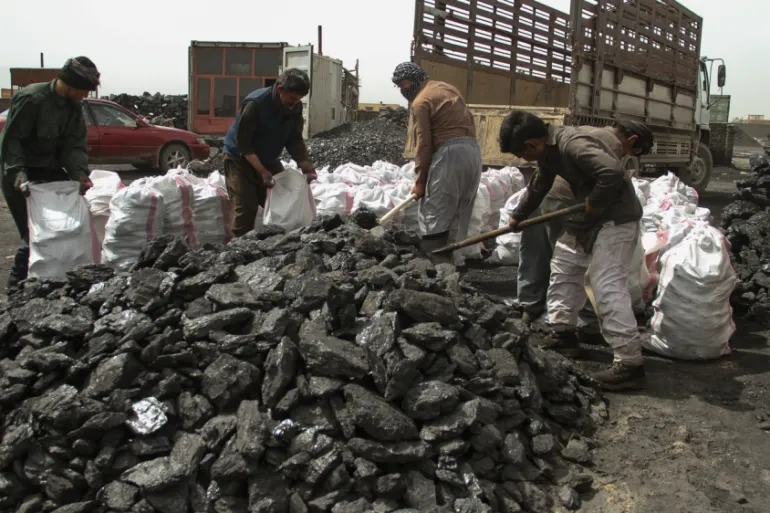
Afghanistan’s mining sector under Taliban control is increasingly emerging as a driver of violence, repression and regional instability rather than economic recovery.
Furthermore, recent deadly events in Takhar and Badakhshan exposing a system built on coercion, secrecy and exclusion.
Local unrest erupted in areas such as Chah Ab and Avizhai Pan Mur after Taliban-backed forces seized control of gold mines and pushed out community operators.
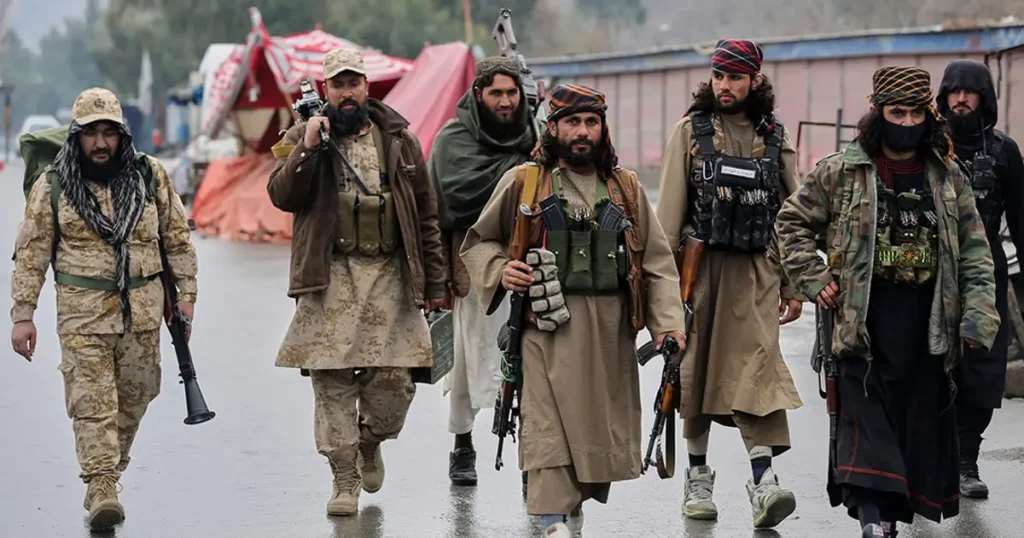
Protests were met with armed force. Security units and networks linked to Bashir Haji Noorzi, a former drug trafficker released in a 2022 prisoner exchange, opened fire on civilians, causing casualties and widespread destruction.
Noorzi is now widely seen as a key organizer of Taliban mining operations, using smuggling-era logistics to manage extraction and revenue flows.
Under the Taliban’s strategy, mining has become a parallel economy. Local communities are denied permits, while control is handed to loyalists under opaque revenue-sharing arrangements.
Gold mining in northern provinces generates tens of millions of dollars each month, with a significant portion flowing directly into Taliban command structures outside any public budget or oversight.
Security analysts say these revenues now form a critical part of the war economy.
Badakhshan’s gold alone is estimated to generate up to $500 million annually, funding weapons, salaries and operations linked not only to the Taliban but also to al-Qaeda and the Tehreek-e-Taliban Pakistan (TTP), reinforcing cross-border militancy.
Environmental and human costs continue to mount. Unregulated use of mercury and cyanide has polluted rivers such as the Kokcha and Shiwa, affecting drinking water, farmland and livestock.
Tunnel collapses and landslides frequently kill miners who work without safety equipment, insurance or compensation.
Despite Taliban claims of improved security, forces are largely deployed to protect mining sites and suppress protests rather than address public grievances.
Demonstrations in Takhar and Badakhshan now reflect a deepening legitimacy crisis, as communities see mining not as national development but as armed appropriation.
Analysts warn that without transparency, oversight and community consent, Afghanistan’s mineral wealth will continue to finance repression, strengthen terrorist networks and fuel long-term instability across the region.