
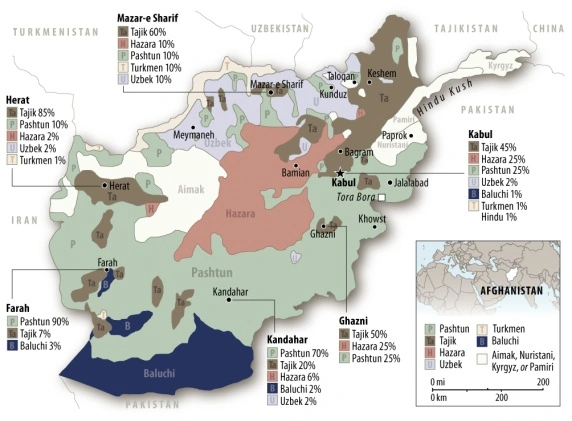
The Taliban have introduced a new property regulation in Afghanistan’s non-Pashtun regions, mandating that all sales, purchases, rentals, mortgages, and commercial leases receive prior approval from intelligence agencies. Officials claim the rule is meant to monitor security, but critics argue it restricts the rights of non-Pashtun communities.
State-Designated Brokers to Handle Transactions
In Daikundi province, residents must now conduct property transactions exclusively through state-designated brokers. These brokers are required to share full details with intelligence authorities, and no deal can be finalized without security clearance, effectively giving the Taliban direct oversight of property ownership.
Policy Targets Population Movements and Minority Communities
Sources indicate that the regulation is intended to monitor population movement and restrict property ownership by non-Pashtun groups, especially in Hazara-majority areas. Analysts warn the rules are being used to facilitate Pashtun settlement, effectively altering local demographic balances.
Similar Restrictions Across Northern Provinces
Reports show similar restrictions and forced property takeovers in Badakhshan, Takhar, Balkh, Sar-e-Pol, and Faryab. Since 2021, thousands of families have reportedly been displaced under administrative or legal pretexts, with the new regulations providing retroactive legal cover.
Human Rights Concerns
Human rights organizations and local observers say the measures violate property rights, deepen ethnic tensions, and threaten minority communities. They argue the policies favor Pashtun settlement at the expense of non-Pashtun residents, raising serious questions about the Taliban’s governance and respect for human rights.











