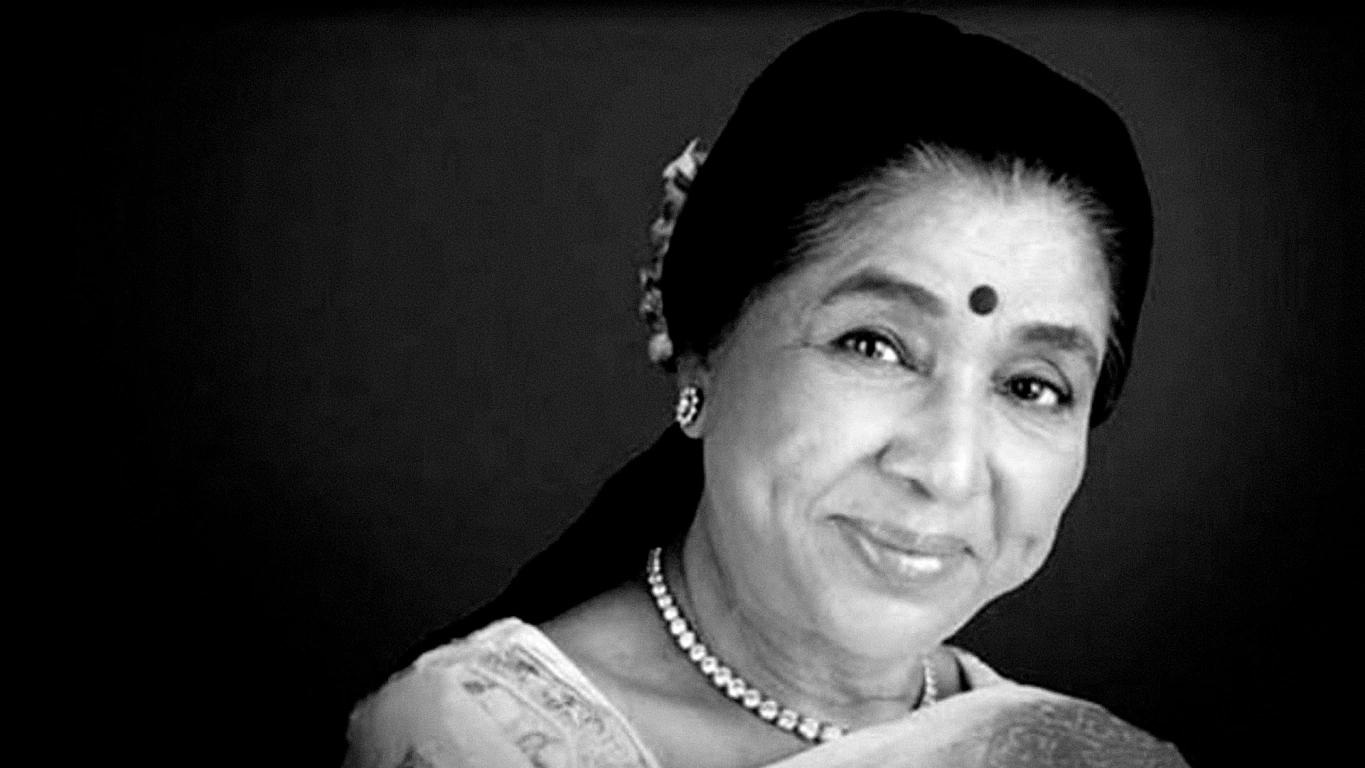
Asha Bhosle was, by any measure, one of the most extraordinary voices South Asia ever produced. Over 7 decades, she recorded more than 12,000 songs across a dozen languages, breathed life into Urdu poetry, and became a bridge between two nations that rarely agree on anything. When she passed on April 12 at the age of 92, the grief was real, the mourning was genuine, and it crossed every border effortlessly.
A well known Pakistani media channel aired a tribute. PEMRA issued a show-cause notice the same evening.
The Notice, and the Noise Around It
PEMRA cited violations of Rule 15(1) of the PEMRA Rules 2009, Regulation 18(1)(g) of the Television Broadcast Station Operations Regulations 2012, and Clauses 4(10), 5, 17, 20 and 24 of the Electronic Media Code of Conduct 2015. The channel’s CEO was summoned for April 27, with consequences ranging from fines to possible licence revocation under Sections 26 and 29A of the PEMRA Ordinance 2002
Geo News Managing Director Mr. Azhar Abbas declared on X that art is a shared heritage of humanity that should not be confined by borders and that for an artist of Bhosle’s stature, the channel should have aired even more of her music.
Stirring words. Though one wonders where this editorial bravery lives on ordinary days, when Pakistani dramas get throttled, Pakistani musicians are systematically locked out of regional markets, and Pakistan’s own cultural identity quietly erodes, none of which gets covered with similar passion. Defending an Indian icon is easier, apparently, than advocating for one’s own.
The Mirror India Refuses to Hold
Here is where the data grows uncomfortable for the other side.
In May 2025, India’s Ministry of Information and Broadcasting ordered Spotify, Apple Music, Gaana, and JioSaavn to immediately remove all Pakistani music content, citing national security concerns. Fawad Khan’s completed film Abir Gulaal was pulled from Indian cinemas, extending an informal ban on Pakistani actors that has effectively been in place since the 2016 Uri attacks.
Atif Aslam, arguably Pakistan’s most beloved voice of his generation, T-Series removed his song Kinna Sona from YouTube after the hashtag #TakeDownAtifAslamSong trended in India, then formally apologized to nationalist groups, promising never to release or promote Pakistani artists again. After the Pulwama attack, T-Series deleted Atif Aslam and Rahat Fateh Ali Khan’s entire catalogues. Songs he sang for Bollywood, voices that filled Indian cinemas, reduced to a political bargaining chip.
No Indian prime-time channel ran a tribute segment on that erasure. No Indian MD posted eloquently about shared heritage.
Diplomacy as Cover Story
There is a pattern here that some private media, in its warm impulse toward cultural connection, quietly enables. Even as PEMRA penalized that media channel for the Bhosle tribute, songs from Indian film Dhurandhar 2 and tracks by Karan Aujla were simultaneously topping Pakistan’s Spotify charts. Pakistan consumes Indian culture freely, mourns Indian icons generously, and frames all of it as diplomatic goodwill. India, meanwhile, passes government orders to wipe Pakistani artists off its platforms and calls that national security..
Cultural diplomacy means something. Performed cultural diplomacy, rushed, selective, and timed to headlines, means something else entirely.
What Honest Coverage Looks Like
Asha Bhosle deserved to be mourned. She sang Nasir Kazmi’s verses. She called Noor Jahan her elder sister. That is real, and it matters.
What also matters is that the 50-plus Pakistani artists scrubbed from Indian streaming platforms last year received no comparable send-off. Their erasure was bureaucratic. Their loss was silent.
Pakistan’s media will do itself, and its audience, a greater service when it extends the same emotional generosity to its own.