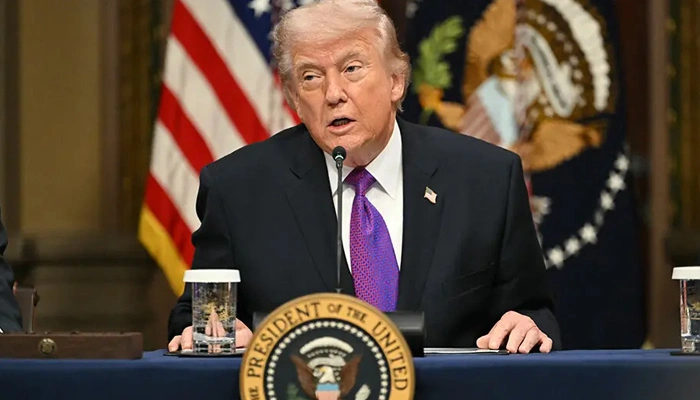
US President Donald Trump has indicated that a second round of talks with Iran could take place on Friday. He suggested that developments may unfold within the next 36 to 72 hours, raising expectations of a possible diplomatic breakthrough.
According to Trump, this progress is linked to requests made by Pakistan’s leadership. He said Prime Minister Shehbaz Sharif and Field Marshal Asim Munir had contacted him and urged a pause in military action. This was reportedly to allow space for Iran to present a coordinated response through diplomatic channels.
Transitioning to the broader diplomatic picture, Trump also said there could be “good news” if talks move forward as planned. However, he did not confirm final arrangements, keeping the situation uncertain.
Short Ceasefire Window Puts Pressure on Iran and US Strategy
Meanwhile, the US administration has maintained that the current pause in tensions is temporary. American officials, as reported by US media, said the ceasefire is not open ended and may last only three to five days. The aim, they say, is to push Iran toward quicker decisions.
In addition, the White House has placed its military on alert, signaling that it is prepared for any sudden escalation. Officials believe time pressure could force Tehran to respond more seriously at the negotiating table.
Moving forward, diplomatic observers say the situation remains highly sensitive. The Strait of Hormuz and regional tensions are also part of the wider strategic calculation, as any disruption could affect global energy routes and markets.
At the same time, analysts warn that if no agreement is reached by Friday, the short diplomatic window could close quickly. This may increase the risk of renewed escalation in an already tense region.
In conclusion, while talks are still possible within days, the outcome remains uncertain. Much now depends on whether both sides can turn this brief pause into meaningful progress before the deadline runs out.