
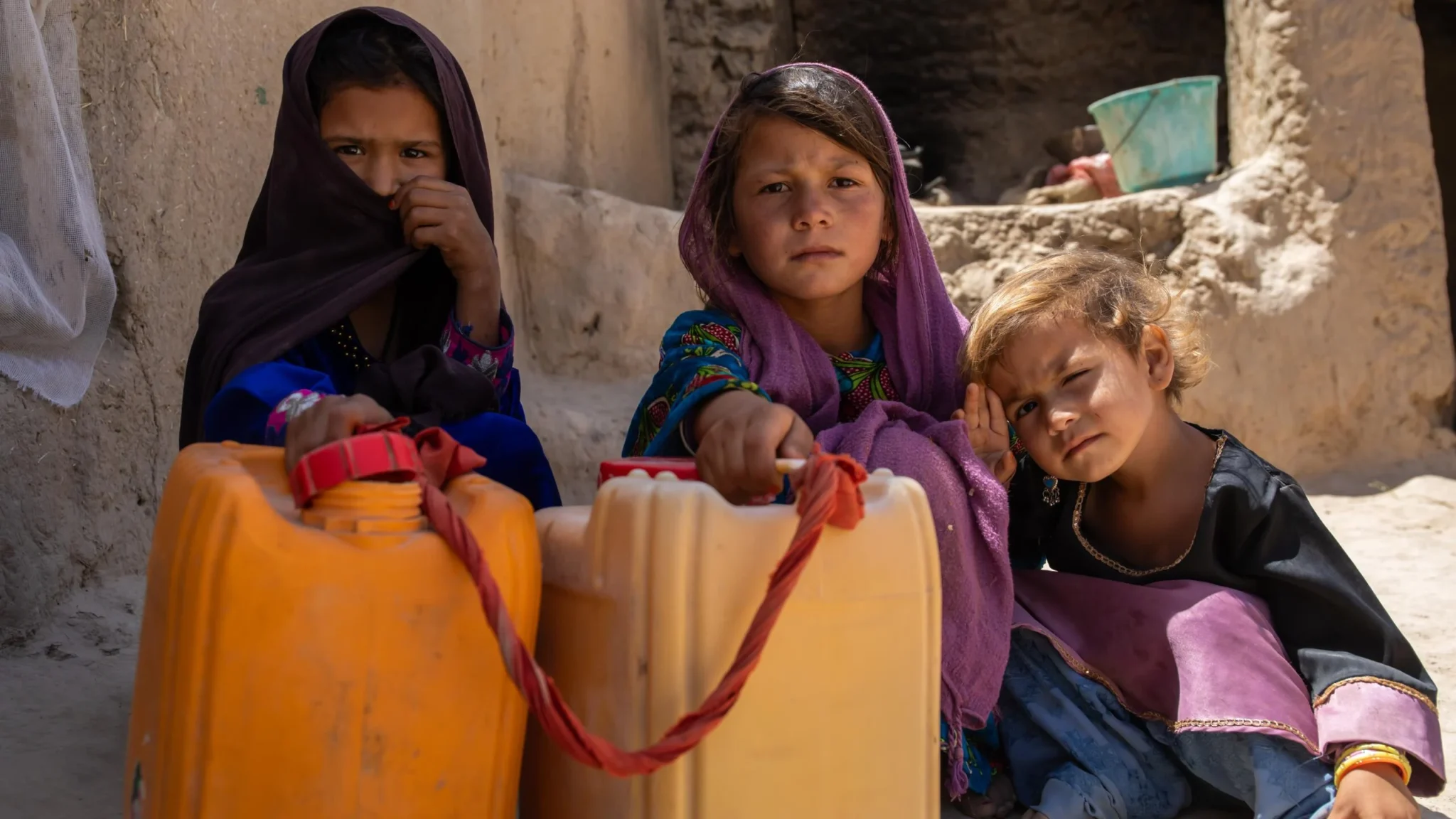
Kabul — According to a recent report by the United Nations Office for the Coordination of Humanitarian Affairs (OCHA), an estimated 21.9 million people in Afghanistan will require humanitarian assistance in 2026, nearly half of the country’s total population.
UPDATE!!
— HTN World (@htnworld) December 2, 2025
The UN Office for the Coordination of Humanitarian Affairs (OCHA) reports that in 2026, 21.9 million people in Afghanistan will require humanitarian assistance, signaling a severe crisis. While $1.72 billion is needed to carry out relief efforts, current plans will only… pic.twitter.com/DLm3blxNru
The report highlights that Afghan society is on the brink of a major humanitarian crisis, with aid requirements spanning multiple sectors, including education, health, emergency relief, food and agriculture, nutrition, protection, and access to clean water.
Funding Gap Threatens Millions
OCHA notes that $1.72 billion will be needed to fully implement aid activities next year. However, current plans will only reach 17.5 million people, leaving millions of Afghan citizens without critical assistance.
Economic Hardship and Governance Issues
The report further explains that even the remaining half of the population faces severe economic pressures, including poverty, unemployment, and limited business opportunities. Analysts note that within the Taliban administration, a small elite class has emerged that is largely insulated from the hardships endured by the general public.
Humanitarian experts warn that if international aid remains insufficient, Afghan society could face widespread social and economic collapse, deepening the ongoing crisis.











