Kabul, Afghanistan – On 23 February 2026, the United Nations Assistance Mission in Afghanistan (UNAMA) released a statement reporting civilian casualties resulting from airstrikes it attributed to Pakistan, conducted inside Afghan territory between late 21 February and early 22 February. According to UNAMA, strikes occurred in Behsud and Khogyani districts of Nangarhar Province between 23:45 and 00:15 local time. Preliminary figures indicate that at least 13 civilians were killed and seven others injured, including women and children.
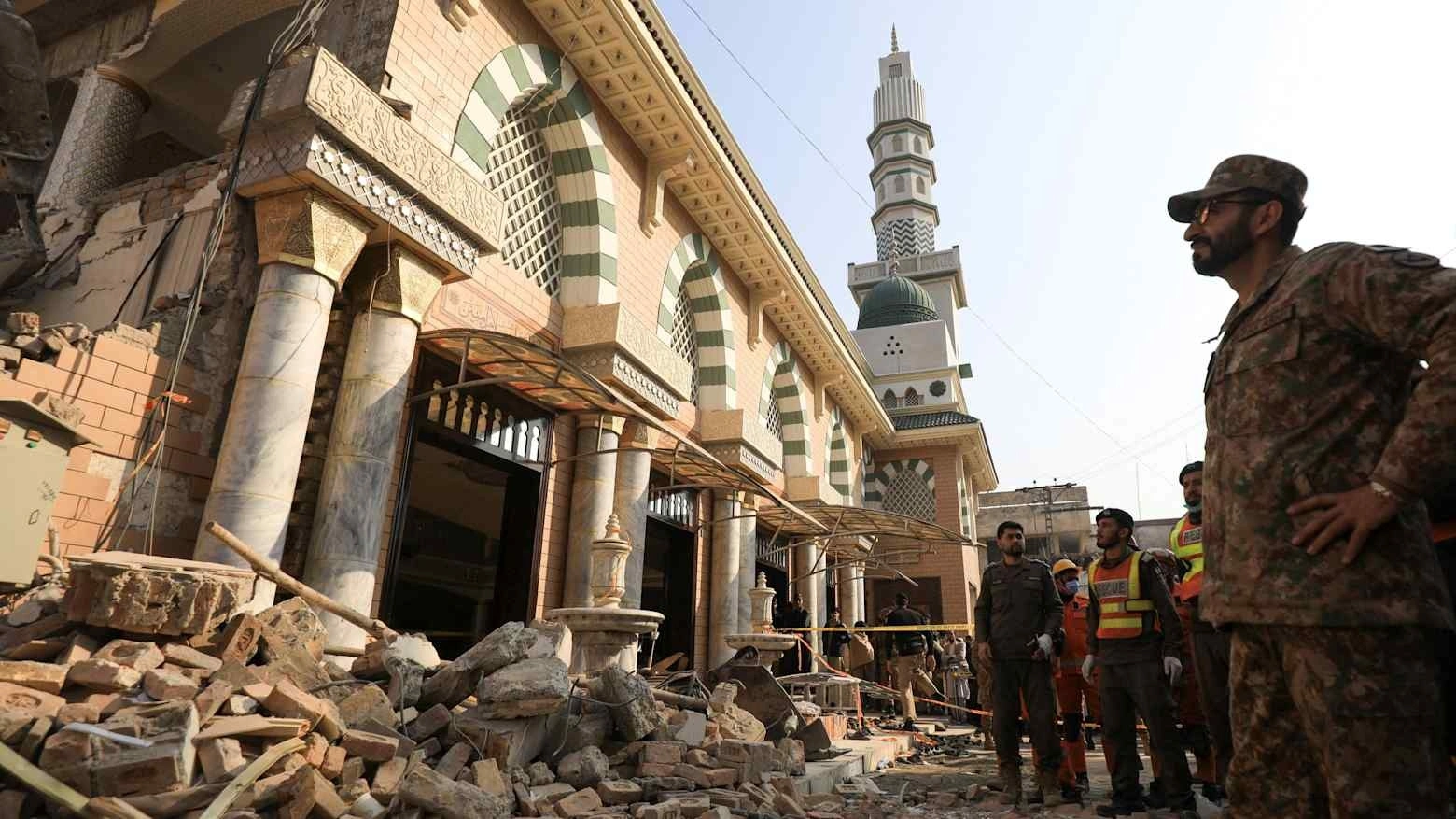
UNAMA also cited additional airstrikes in Barmal and Urgun districts of Paktika Province, which struck a madrassa and damaged a mosque. A nearby vacant house was also affected. Notably, UNAMA reported no civilian casualties in these latter incidents. The mission urged all parties involved to comply with international humanitarian law and to take all precautions to protect civilians in armed conflict zones.
While UNAMA emphasized the need for civilian protection, questions have emerged regarding its methodology for identifying civilian casualties versus combatants. Critics argue that distinguishing between legitimate military targets and non-combatants in conflict zones, particularly in areas controlled or influenced by the Taliban, is highly challenging. Some analysts have raised concerns over whether UNAMA’s reports may, intentionally or inadvertently, reflect the narratives of the Taliban regime, given the difficulties of independent verification in remote and insecure regions.
Afghanistan has long struggled with complex cross-border security dynamics. Pakistani security sources maintain that counterterror operations are targeted and intelligence-driven, focusing on extremist networks such as the Tehreek-e-Taliban Pakistan (TTP) and affiliates that have used Afghan territory as a safe haven to launch attacks inside Pakistan. Islamabad insists that it takes every precaution to avoid civilian harm, and that UNAMA reports should be interpreted in light of the operational realities on the ground.
Experts on conflict monitoring note that accurate civilian casualty reporting requires on-the-ground verification, forensic investigation, and triangulation from multiple independent sources—an exceptionally difficult task in Afghanistan’s current security environment. They caution against taking preliminary figures at face value, highlighting the need for transparency and collaboration between international observers and local authorities to ensure accountability while protecting civilians.
This latest UNAMA report underscores the enduring humanitarian risks in Afghanistan, the challenges of cross-border militancy, and the complex dynamics of reporting in conflict zones where civilian lives remain highly vulnerable. While calls for adherence to international humanitarian law are important, the mechanisms for verification and the potential influence of local power structures continue to generate debate among analysts, diplomats, and regional security experts.
Read more :Explosions and Airstrikes Hit Paktika Province, Afghanistan