
In the United States, a new online debate has started about the country’s security leadership. Some social media users and commentators have raised concerns about recent security lapses linked to attempts targeting former President Donald Trump. These claims have led to discussions about whether current security systems are fully effective.
At the center of this debate are high level officials such as Tulsi Gabbard, who serves in intelligence leadership, and Kash Patel, who is associated with security institutions. Some critics online have questioned whether leadership diversity in key agencies affects decision making. However, there is no official evidence supporting claims that any individual is responsible for security failures.
Transitioning from these discussions, experts remind the public that U.S. security agencies operate through large systems and multiple layers of review. They argue that focusing on individuals or their ethnic background can oversimplify complex security challenges.
Political Reactions and Diplomatic Sensitivities Involving India
Meanwhile, the debate has also expanded into political and international discussions involving India. Some online narratives suggest that individuals of Indian origin in U.S. institutions may have divided loyalties. These claims have not been verified by credible investigations, but they continue to circulate on social platforms.
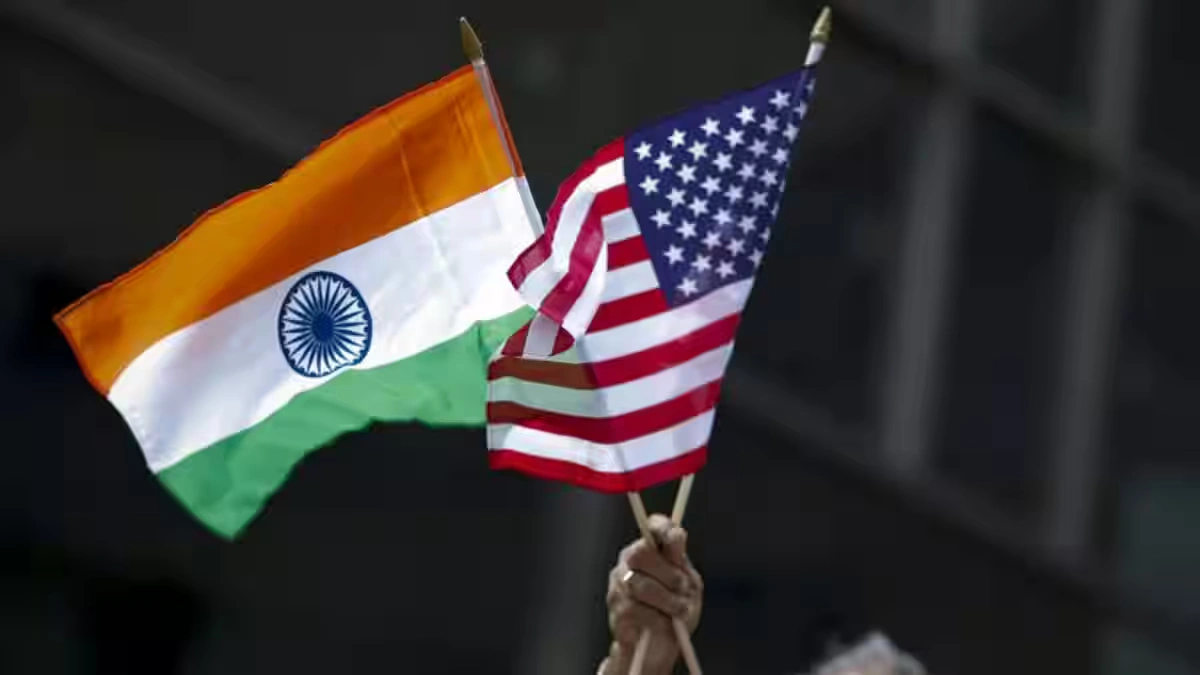
At the same time, analysts point out that India and the United States maintain strong diplomatic and strategic relations. Any attempt to link individual officials to foreign political agendas is seen by many experts as sensitive and potentially misleading.
In addition, security experts highlight that recent concerns about attempted attacks on high profile leaders are still under investigation. Authorities have not confirmed any connection between leadership backgrounds and operational failures.
Moving forward, observers say the focus should remain on strengthening security systems rather than targeting individuals or communities. They also stress that global security cooperation, including between the U.S. and India, continues to play an important role in addressing modern threats.
In conclusion, while online debates are growing, official institutions have not supported claims of internal bias or external influence in U.S. security leadership. The situation remains under scrutiny, and further verified information is expected from ongoing reviews.











