
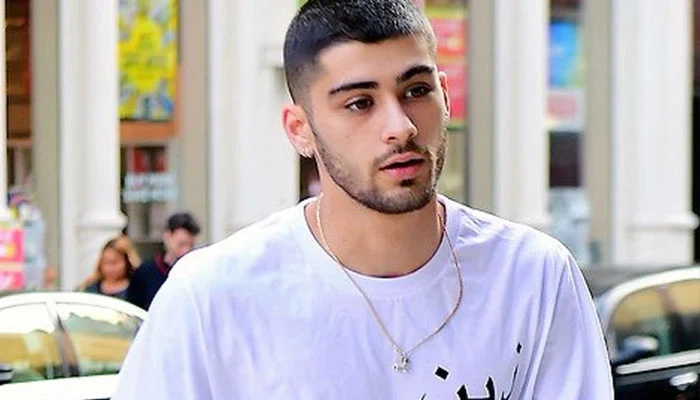
British Pakistani singer Zayn Malik has once again spoken about his cultural roots, saying he feels proud to be “half Pakistani.” He shared this during a recent interview where he reflected on his identity and personal journey.
To begin with, Zayn said that his connection to Pakistan is an important part of who he is. He added that he often uses his platform to highlight Pakistani culture on a global stage. According to him, this helps reduce misunderstandings and shows a more positive image of his background.
In addition, he mentioned that talking about his heritage makes him feel grounded. He explained that his identity is not something separate from his work, but part of his personality and creative expression. This statement quickly gained attention online and spread across social media platforms.
Mixed Reactions from Fans and Critics on Social Media
After his comments went viral, social media users reacted strongly with divided opinions. Many fans supported Zayn Malik and praised him for openly embracing his Pakistani identity. They pointed out that he has spoken about his roots several times in the past, showing a consistent connection to his culture.
On the other hand, some critics questioned his timing. They argued that he only highlights his Pakistani background during album promotions or media attention. This led to discussions online, with some users accusing him of using identity as a marketing strategy.
Meanwhile, supporters pushed back against this criticism. They said it is normal for public figures to speak about their heritage when asked, and it does not reduce its sincerity. The debate continued to trend, showing how strongly fans feel about celebrity identity and cultural pride.
In addition, entertainment analysts believe such statements from global stars can have a positive impact. They say celebrities like Zayn Malik help promote cultural understanding and improve the image of Pakistan internationally. His global influence also connects younger audiences with their roots.
Overall, the discussion reflects a larger conversation about identity, belonging, and how public figures express their cultural ties in a global world.











