
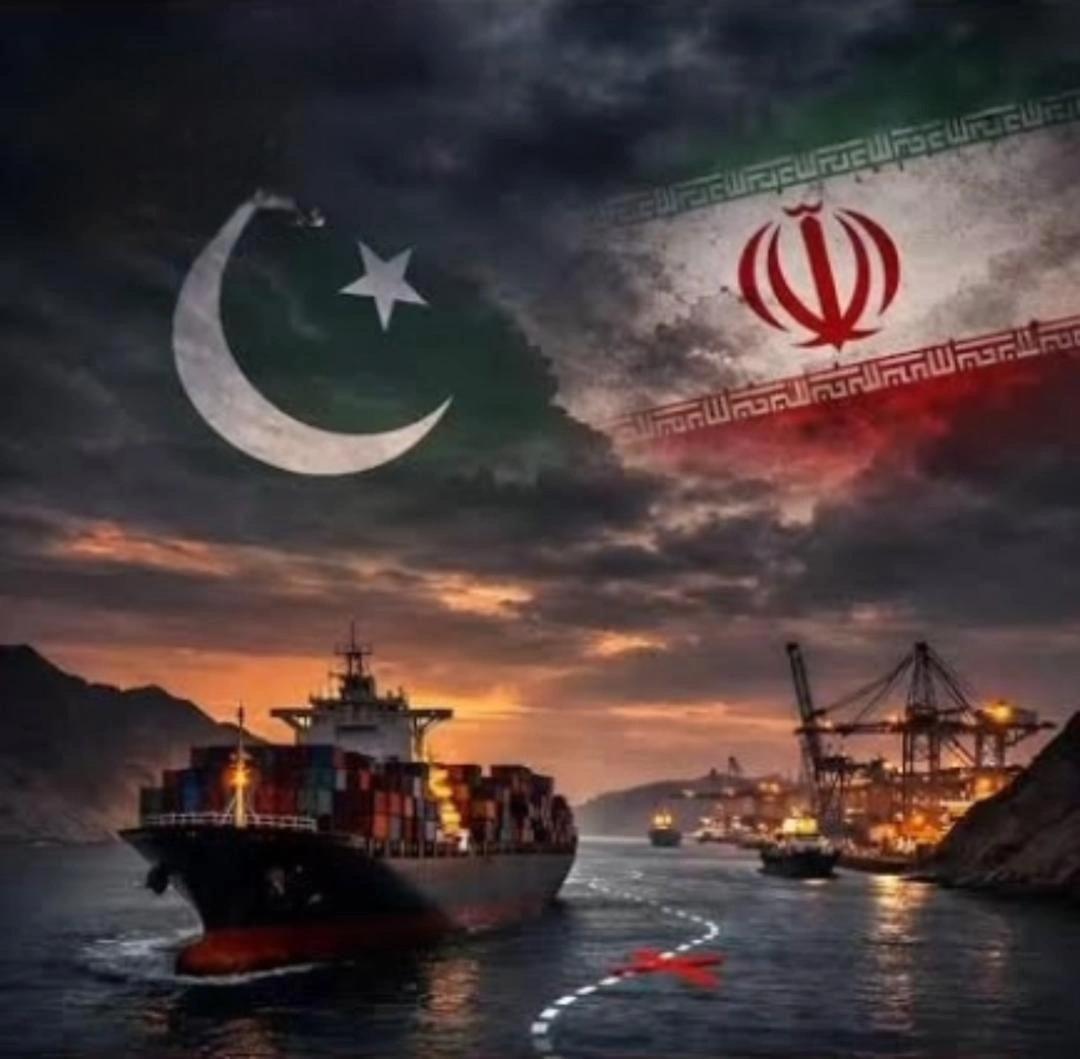
Pakistani vessels have been assured continued access to the strategic Strait of Hormuz, according to Akbar Eissa Zadeh, the Iranian Consul General in Karachi. Speaking to local media, he emphasized that ships transporting crude oil and natural gas from Pakistan can safely transit the waterway, following coordination with Iranian authorities.
Eissa Zadeh highlighted that while Pakistan and several other neighboring countries enjoy secure passage, the route remains closed to the United States, Israel, and allied nations, reflecting Tehran’s selective control over the critical oil shipping lane. He stressed that Iran is committed to maintaining regional trade while safeguarding its strategic interests amid heightened tensions in the Persian Gulf.
The Strait of Hormuz is one of the world’s most important maritime chokepoints, carrying roughly a fifth of global oil trade. Its strategic significance has made it a focal point during geopolitical conflicts, particularly involving Iran, the US, and Gulf nations. Ensuring safe transit for Pakistani vessels underscores Tehran’s willingness to maintain economic ties with neighboring countries while enforcing restrictions on nations it perceives as hostile.
Regional analysts suggest that Iran’s decision may also be influenced by ongoing energy market volatility and the need to sustain economic relationships with Pakistan, which relies heavily on maritime oil imports for its energy security. Officials from the Pakistani Ministry of Maritime Affairs have welcomed the clarification, calling it “a positive step in ensuring uninterrupted energy supplies.”
Eissa Zadeh further noted that Iran is monitoring maritime traffic closely and coordinating with shipping operators to prevent incidents and maintain stability in the Strait. The statement comes amid heightened regional tensions, including recent US-Israeli military actions, sanctions, and ongoing disputes over oil exports and energy transport routes.
In summary, Pakistani vessels will continue to navigate the Strait of Hormuz without disruption, highlighting Iran’s dual approach of asserting regional control while facilitating trade for friendly nations, and emphasizing the importance of diplomatic coordination to prevent escalation in one of the world’s most sensitive maritime corridors.











