
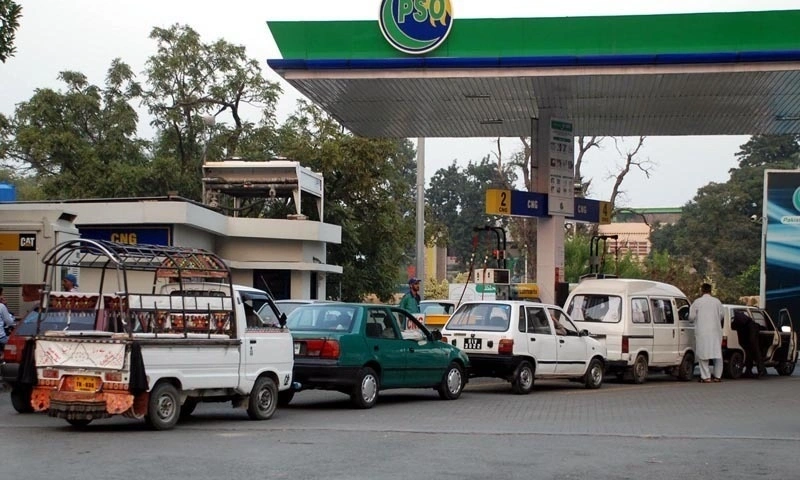
ISLAMABAD-MARCH,30 – Pakistan’s fuel reserves have now exceeded four weeks, with supplies for both March and April fully secured, Adviser to the Finance Minister Khurram Schehzad said, describing the situation as stable and steadily improving.
Speaking on Geo News programme Geo Pakistan on Monday, Schehzad noted that fuel stocks had shown consistent growth. “Earlier, reserves were around 24 days, which increased to 28 days, and now they have crossed the four-week mark,” he said.
I am pleased to share a great news that the Government of Iran has agreed to allow 20 more ships under the Pakistani flag to pass through the Strait of Hormuz; two ships will cross the Strait daily.
— Ishaq Dar (@MIshaqDar50) March 28, 2026
This is a welcome and constructive gesture by Iran and deserves appreciation. It…
His remarks came shortly after Deputy Prime Minister and Foreign Minister Ishaq Dar announced that Iran had agreed to facilitate additional Pakistani vessels through the strategically important Strait of Hormuz. The development was described as a positive step towards regional stability and uninterrupted energy supplies.
According to Dar, Iran has permitted 20 more Pakistani-flagged ships to pass through the strait, with two vessels expected to cross daily — a move expected to further ease logistical challenges.
The situation in the Strait of Hormuz has remained tense, with concerns over potential attacks discouraging many oil tankers from using the route. However, a limited number of ships, including those flying Pakistani and Indian flags, have successfully navigated the passage following Iranian assurances of safe transit.
Reports indicate that nearly 16 attacks have affected at least 17 commercial vessels since the conflict began, while approximately 1,900 to 2,000 ships remain stranded in the wider region.
Amid these challenges, the government had earlier announced a Rs55 per litre increase in petrol and high-speed diesel prices on March 6. However, prices were later frozen, with around Rs69 billion allocated to cushion the impact of future price adjustments.
Schehzad said crude oil imports were continuing without disruption and were being processed into petrol and diesel, further strengthening supply levels. “March and April are fully covered; we are now planning ahead,” he added.
He also pointed to improved logistics and facilitation through the Strait of Hormuz, noting that Iran was allowing Pakistani shipments to move on priority, which would help maintain consistent refinery operations.
Despite global disruptions, Schehzad emphasized that Pakistan has managed to avoid supply shortages. “Supplies are intact and, in fact, improving… there is no need for concern,” he said, reassuring the public.
On the fiscal front, he explained that the government was managing the cost of stabilising fuel prices through spending cuts and austerity measures, rather than relying solely on subsidies. These measures include reductions in development expenditures and a 20% cut in non-essential government spending.
Additional steps such as reduced fuel consumption by government departments, salary contributions from public officials, and work-from-home policies have also helped ease pressure on resources.
Addressing questions on future strategies, Schehzad said that while targeted relief and demand management options were under review, they were not immediately necessary given the improving supply situation.
He concluded by stressing the importance of coordination between federal and provincial governments as well as the private sector, adding that Pakistan has so far handled the situation effectively and remains well-positioned to manage future challenges.
Raed more :Pakistan Secures Fuel Supply Until April 25











