
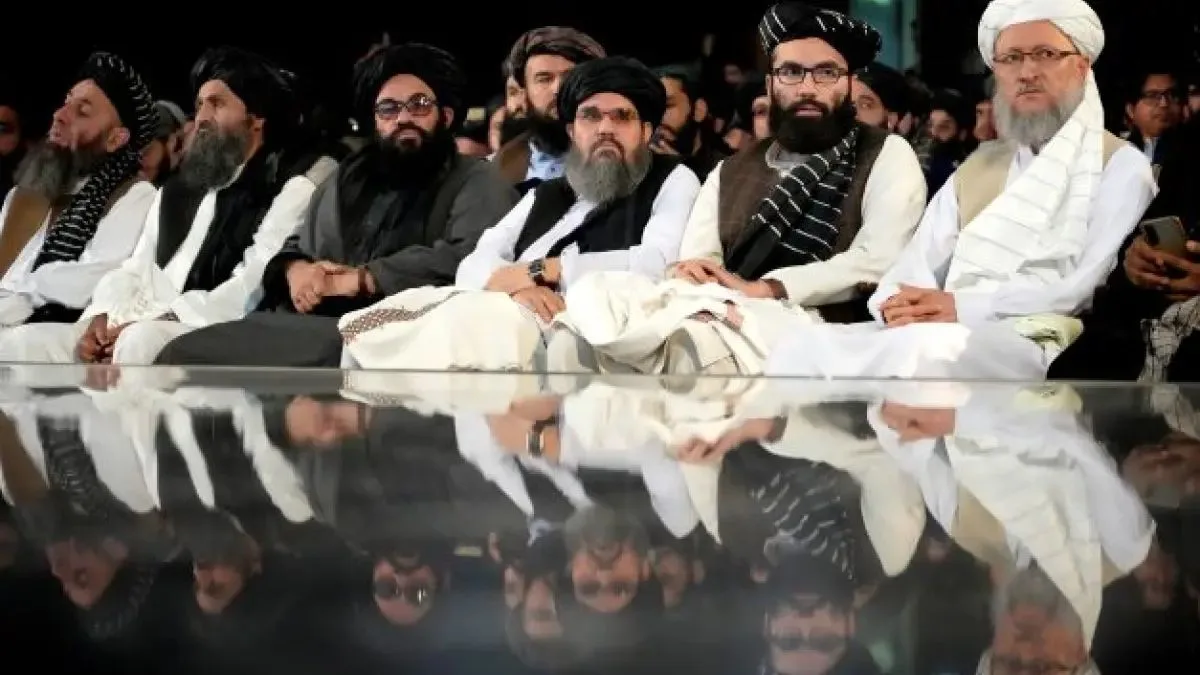
ISLAMABAD – APRIL,5 – Pakistan has pushed back against recent claims by Taliban officials alleging civilian casualties from cross-border strikes, arguing that such narratives ignore the presence of militant infrastructure and the use of civilian areas by armed groups.
The response follows statements circulated by Taliban spokesperson Hamdullah Fitrat, which portrayed recent counterterrorism actions as indiscriminate. Pakistani officials and analysts, however, say the claims overlook a long-standing pattern of militant tactics involving operations from populated areas.
Security observers note that both the Afghan Taliban and Tehreek-e-Taliban Pakistan (TTP) have historically operated from civilian zones, using residential areas, mosques, and public spaces for shelter, planning, and launching attacks. This, they argue, complicates targeted operations and increases risks for local populations.
Officials further state that Pakistan’s actions are based on verified intelligence and are aimed at dismantling militant networks that have been responsible for sustained violence. According to security assessments, thousands of Pakistani civilians have been affected by militant attacks in recent years, with hundreds of incidents reported annually.
They also point to multiple international reports including assessments by the United Nations, SIGAR, and regional forums that have highlighted the continued presence of various militant groups in Afghanistan. These reports describe the existence of safe havens and operational freedom for groups such as TTP, ISIL-K, and Al-Qaeda.
Analysts argue that attributing civilian harm solely to counterterror operations overlooks the broader context, particularly the use of human shields and the embedding of militant infrastructure within civilian environments.
Pakistan maintains that it has pursued diplomatic channels extensively before resorting to targeted operations, emphasizing that its objective remains the prevention of cross-border attacks and the protection of its citizens.
Observers say the situation reflects a broader challenge in the region, where militant activity, governance gaps, and competing narratives continue to shape perceptions on both sides of the border.
As tensions persist, experts stress the need for accountability and clarity in addressing the root causes of instability, including the presence and support networks of militant groups operating from within Afghanistan.
Read more:Questions Raised Over UN Experts’ Assessment on TTP Presence and Cross-Border Terrorism











