
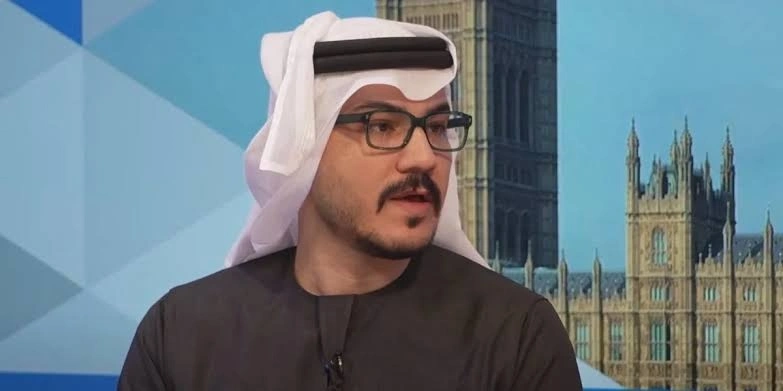
UAE – APRIL,6 – based commentator Amjad Taha has triggered renewed controversy after publishing remarks criticizing ongoing diplomatic talks in Islamabad, which are reportedly being led by Pakistan, Türkiye, Egypt, and Saudi Arabia in an effort to contain regional escalation.
In a recent post, Taha described these negotiations as an attempt to preserve the Iranian system, expressing clear opposition to de-escalation efforts and calls for a ceasefire. His comments have drawn attention across regional media platforms, where his stance is being widely discussed amid rising geopolitical tensions.
Criticism of Mediation Efforts
Taha’s remarks come at a time when Pakistan, Türkiye, and Egypt are intensifying diplomatic initiatives aimed at encouraging dialogue and halting ongoing hostilities. According to recent reports, these countries have emerged as key mediators in the evolving crisis, holding high-level meetings and regional consultations to explore pathways toward de-escalation and potential direct negotiations between conflicting parties.
International reports also indicate that the Islamabad talks have become a central element in current diplomatic efforts, despite limited progress so far.
بعد 28 فبراير، قضيتنا الأولى والوحيدة هي بلادنا الإمارات العظيمة المقدسة في قلوبنا. وأشقاؤنا هم من وقفوا معنا ضد العدوان حقاً لا لفظاً فقط، كدولة كوريا الجنوبية الشقيقة الأصيلة. أما الجامعة العربية ومنظمة التعاون الإسلامي، فهما من الماضي فقط. العالم مُقبل على دولة الجنوب العربي،…
— Amjad Taha أمجد طه (@amjadt25) April 5, 2026
Diverging Regional Perspectives
The debate surrounding Amjad Taha’s statements reflects a broader regional divide between two competing approaches: one favoring military deterrence and escalation, and another prioritizing political solutions and diplomatic mediation.
These developments come amid the ongoing US-Israel war against Iran, which has significantly increased political and security tensions across the region and raised concerns about the possible expansion of the conflict.
As competing narratives continue to shape regional discourse, diplomatic efforts remain under pressure, highlighting deep divisions over the future direction of Middle East stability and conflict resolution efforts.











