
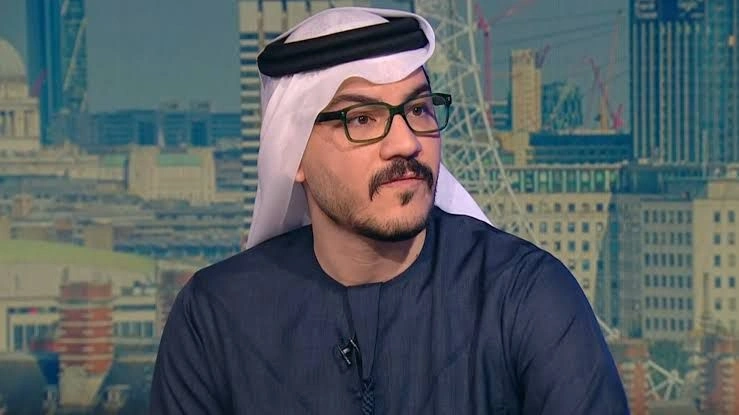
ISLAMABAD – APRIL 8 – Pakistan’s diplomatic efforts to promote peace in the Middle East, culminating in a two-week ceasefire between the United States and Iran, have brought relief to the international community. However, the development has also triggered strong reactions from elements seen as favoring continued instability in the region. Controversial analyst Amjad Taha has criticized Pakistan’s mediation efforts, labeling them as “betrayal” and “support for terrorism.” Observers describe these remarks as reflective of frustration over de-escalation initiatives.
Criticism of Mediation Efforts
In a recent statement, Amjad Taha opposed the mediation efforts undertaken by Pakistan and Türkiye. Political analysts argue that such opposition to peace initiatives aligns with narratives that favor prolonged conflict rather than diplomatic resolution. According to experts, portraying peace efforts negatively risks undermining initiatives aimed at reducing tensions and encouraging dialogue among regional actors.
Competing Narratives and Ground Reality
Amjad Taha has alleged that Pakistan’s actions have provided support to Iran. However, observers counter that at a time when the region was on the brink of a potentially devastating escalation, Pakistan acted as a responsible nuclear state by facilitating dialogue.
Analysts note that diplomatic engagement, rather than confrontation, helped avert further deterioration and contributed to creating space for negotiations.
Islamabad’s Emerging Diplomatic Role
Despite criticism, Pakistan’s role in facilitating dialogue between Washington and Tehran is being viewed by many as a sign of growing diplomatic relevance.
It is noted that even global leaders, including Donald Trump, have acknowledged the importance of diplomatic engagement in reducing tensions. Pakistan’s efforts in aligning differing proposals and encouraging dialogue have been cited as an example of diplomacy taking precedence over conflict.
Bridge Between Regional Powers
Claims that Pakistan failed to prevent regional escalation have also been rejected by analysts. Observers argue that without diplomatic intervention, the conflict could have expanded, potentially affecting multiple countries across the region, including Gulf states.
Pakistan’s ability to maintain engagement with different stakeholders has been described as playing the role of a bridge rather than a barrier in a highly polarized environment.
Analysts’ Perspective
Experts suggest that narratives targeting Pakistan’s mediation efforts reflect broader geopolitical contestation. They emphasize that initiatives aimed at peace and dialogue are essential in countering instability and preventing further fragmentation in the Middle East.
Islamabad’s diplomatic engagement, they conclude, highlights a shift toward dialogue-driven conflict resolution, where negotiation replaces confrontation as the primary tool for managing crises.
Read more :Zionist Fear Over Pakistan’s Successes, Amjad Taha’s Suspicious Past and Alleged Ties Exposed











