
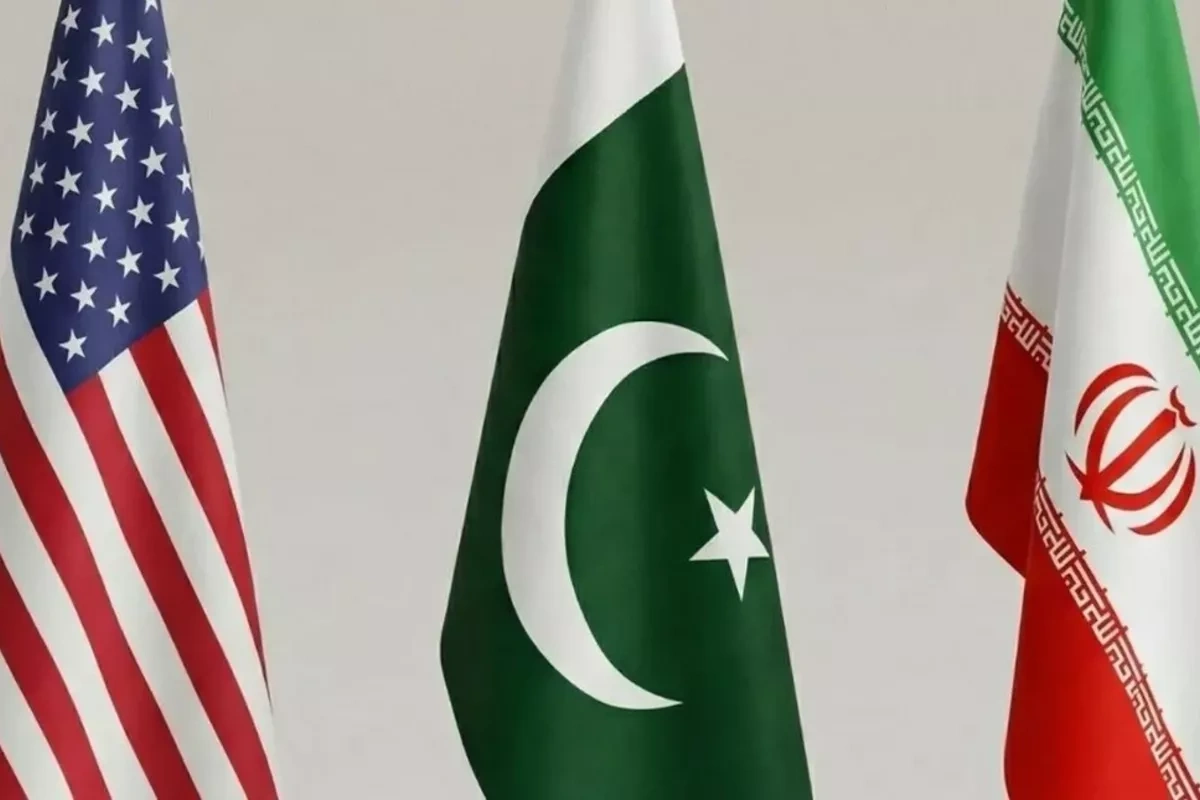
Pakistan is once again stepping into the diplomatic spotlight as important developments unfold between Iran and the United States. According to official sources, a joint delegation from Pakistan’s Foreign Office and military leadership is expected to travel to Iran soon. The visit aims to continue consultations on the ongoing Iran–US talks, possible ceasefire arrangements, and the future direction of dialogue between the two rivals.
At the same time, preparations are underway in Islamabad for the second round of Iran–US negotiations, which is expected to take place by the end of next week. Authorities and security institutions have already been instructed to make necessary arrangements. This shows that Pakistan is actively facilitating communication between the two sides, acting as a bridge during a sensitive regional moment.
Meanwhile, Iran’s Foreign Ministry spokesperson Ismail Baghaei said in a media briefing that there is a strong possibility Iran will host the Pakistani delegation today. He added that message exchanges between Iran and the United States, with Pakistan’s help, have been ongoing since last Sunday. According to him, the next phase of talks will mainly focus on achieving a full ceasefire.
Hope and Caution Shape the Next Round of Talks
Earlier discussions held in Pakistan addressed key issues such as a ceasefire, lifting of sanctions, and compensation for war-related losses. However, Iranian officials have clarified that reports about extending the ceasefire are not yet confirmed. No final date for the next talks has been officially announced, which suggests that caution still surrounds the process.
Sources say the upcoming meeting in Islamabad may include high-level representatives. The US side is expected to be led by Vice President J. D. Vance, while Iran may be represented by Speaker Mohammad Bagher Ghalibaf and Foreign Minister Abbas Araghchi.
It is worth noting that the first round of talks took place in Islamabad on April 11. Although the discussions lasted nearly 21 hours, they ended without a formal agreement. Still, Vice President Vance later described the talks as positive and said the next move depended on Iran.
On the broader regional stage, Iranian President Masoud Pezeshkian has expressed willingness to reach a fair agreement. In addition, Russian Foreign Minister Sergey Lavrov has called for reducing tensions and resolving issues through diplomacy.
Overall, while challenges remain, Pakistan’s role as a mediator is being closely watched, as many hope these efforts can help prevent further conflict and bring lasting stability to the region.
Read more: PM Shehbaz Sharif Embarks on Key Four-Nation Diplomatic Tour











