
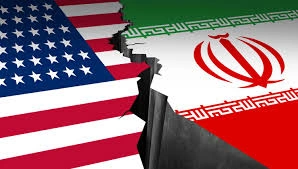
The planned second round of US–Iran talks in Islamabad is still facing uncertainty. Despite strong preparations, the meeting has not moved forward due to delays from Tehran. Meanwhile, Pakistan has continued its quiet diplomatic efforts to keep the process alive.
Initially, everything seemed ready for the dialogue. US and Iranian negotiators were expected to sit together in Islamabad on Wednesday. Pakistan had completed all arrangements after earlier back channel engagement. Reports suggested that high level US officials were also preparing for possible travel, showing how seriously Washington was taking the talks.
However, just before final movement, the situation changed. The United States sent new proposals through Pakistan and asked Iran for a clear response. Washington wanted more than just general discussions. It was looking for real progress toward an agreement. Iran showed early interest, but later signals from Tehran suggested hesitation. Some internal groups reportedly opposed the direction of the talks.
Internal Decision Making in Tehran Creates Key Delays
At the same time, sources say the main issue is not external pressure but internal decision making in Iran. The process of approvals is slow and complex. Communication with top leadership is also limited and indirect, which is causing further delays.
For context, reports suggest that messages often take time to reach the highest level of decision makers. This has created gaps in response time. Because of this, even urgent diplomatic developments do not always get immediate answers from Tehran.
Meanwhile, the temporary extension of the ceasefire is seen as a positive step. It has helped reduce immediate tensions in the region. However, Iran has still not issued a clear position on this extension, which adds to the uncertainty.
In addition, Pakistani diplomats are still working behind the scenes to keep both sides engaged. Their goal is to prevent a complete breakdown of talks. So far, their efforts have helped maintain basic communication between Washington and Tehran.
In conclusion, experts believe the situation is still open. Nothing has fully collapsed, but nothing has been finalized either. Internal differences in Tehran and slow communication remain major barriers. Until both sides give clear commitments, the region is likely to remain in a fragile and uncertain diplomatic phase.











