
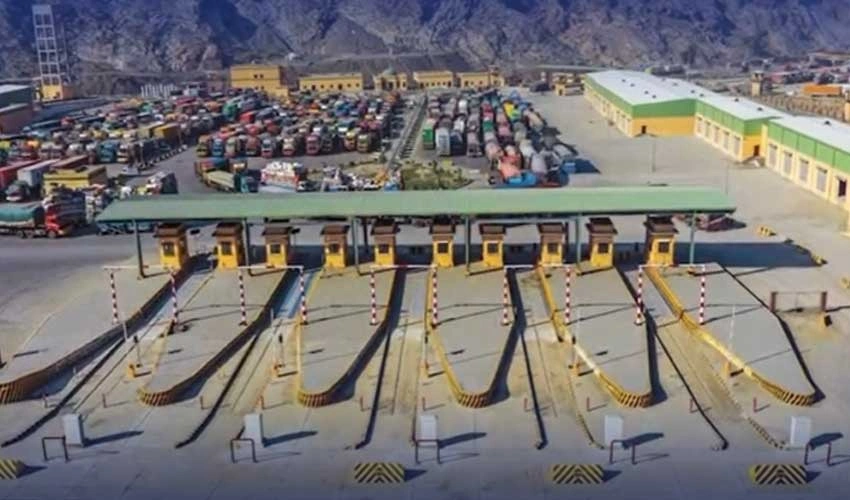
Pakistan and Iran have officially launched a new transit trade corridor under the international transport route system. The first shipment of frozen meat has already been sent to Uzbekistan through Iran. This marks an important step in opening a new land route for trade.
In the past, Pakistani goods mainly depended on limited and sometimes uncertain routes for reaching Central Asia. Now, this new corridor offers a more stable and alternative pathway. As a result, exporters see new hope for faster and safer access to regional markets.
The route is expected to connect Pakistan with five Central Asian countries along with access toward Moscow. This wider reach is seen as a major development for trade logistics in the region.
New Route Expected to Strengthen Exports and Regional Trade
Moreover, the corridor is not limited to frozen meat only. In the initial phase, Pakistan will export fruits, vegetables, rice, medicines, surgical instruments, and other food items through this route. This shows a broad commercial potential beyond a single product category.
Transitioning to economic impact, traders have welcomed the development. However, they are also calling for government support in the form of freight subsidies. They believe this will help reduce transport costs and make the route more competitive.
In addition, stakeholders have suggested including bonded carrier transport under the system. This would improve the movement of goods and make the logistics process smoother and more efficient.
Furthermore, economic experts are also recommending expansion of barter trade between Pakistan and Iran alongside formal trade agreements. This could increase trade volume and improve financial exchange between the two countries.
In conclusion, the Pakistan-Iran transit corridor is being seen as a strategic opportunity. It may not only increase exports but also strengthen regional connectivity. Over time, this could play a key role in supporting Pakistan’s economy and improving its access to wider markets.











