
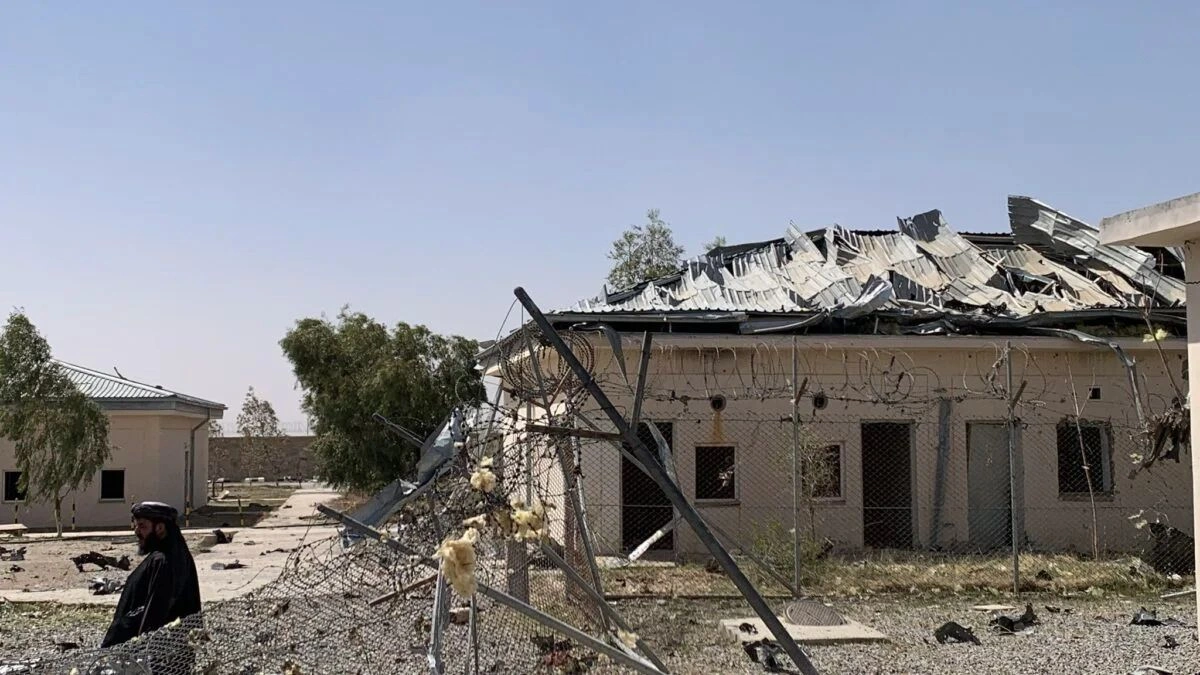
Claims made by Taliban authorities regarding a targeted site in Kabul being a hospital have come under serious scrutiny after credible reports and evidence allegedly revealed the military use of the facility. According to the reports, the site was being used under the label of a hospital for storing military-grade weapons, housing drones, and training militants, effectively stripping it of protected status under international humanitarian law.
Legal Status Depends on Actual Use
Under international law, particularly Article 8 of the Rome Statute, civilian buildings and facilities retain legal protection only if they are not used for military purposes. Legal experts argue that once a civilian site is utilized for weapons storage, suicide bomber training, or operational military support, it loses its civilian status and becomes a lawful military target under international law. The facility in question, identified as “Omid,” reportedly did not meet the internationally recognized legal definition of a hospital and lacked official markings or certifications required for protected medical centers.
Human Shields and International Law
One of the most serious concerns raised involves the alleged use of civilians as human shields, a practice prohibited under Article 51(7) of Additional Protocol I to the Geneva Conventions. Reports suggest Taliban authorities embedded military assets within civilian-populated areas and used protected locations to shield military infrastructure. Legal observers state that such actions not only violate international humanitarian law but also deliberately place civilian lives at risk.
The Geneva Conventions, particularly Articles 18 and 19, make it clear that medical facilities receive protection only when they are exclusively dedicated to humanitarian and medical purposes and remain separated from military objectives.
Pakistan’s Position and Legal Justification
In this context, Pakistan’s position has been described as consistent with established international legal principles. According to this stance, military operations are conducted based on precaution, distinction, and proportionality, targeting only those locations assessed as hostile military infrastructure. Officials maintain that the legal status of any target depends on its operational function at the time of the strike rather than the label attached to it.
Militarization of Civilian Sites Raises Broader Concerns
Analysts believe that converting civilian infrastructure into military facilities and later using the consequences for propaganda reflects a broader governance failure and disregard for international norms. This alleged strategy of hiding military operations behind civilian cover is viewed as a direct violation of the Geneva Conventions and a serious threat to regional stability.
According to legal interpretations cited in the reports, responsibility for any resulting civilian harm ultimately rests with those who militarized protected civilian spaces and exposed the local population to danger.











