
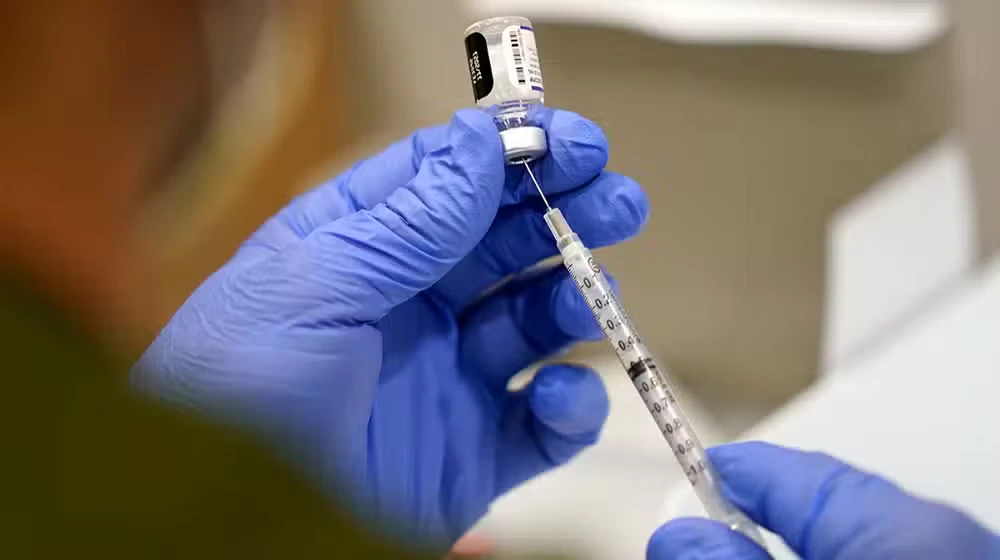
For decades, Pakistan has been one of the world’s most reliable partners in keeping children alive. In collaboration with the WHO and partners, Pakistan has protected over 160 million children and 130 million mothers with life-saving vaccines, and ranks among the top five countries globally for absolute reductions in child deaths through vaccination. Since 1994, it has reduced paralytic polio cases by 99.8 %. That record of delivery is extraordinary. What has been missing, until now, is the infrastructure to sustain it on Pakistan’s own terms. Two announcements made at the end of April 2026 suggest that gap is being taken seriously.
What WHO Prequalification Actually Means
The Central Drugs Laboratory in Karachi, a statutory laboratory of the Drug Regulatory Authority of Pakistan, has obtained WHO prequalification, meaning its testing services now meet the WHO’s stringent global requirements, ensuring that therapeutic goods examined at the facility are safe, effective, and of high quality. This is the first time Pakistan’s national drug testing laboratory has achieved this status. DRAP CEO Dr. Obaidullah Malik confirmed that in the past, samples were sent to Singapore and other places for testing. Now Pakistan will be considered a prequalified testing facility for the whole globe. The significance goes beyond a certificate on a wall. WHO prequalification is the threshold that determines whether a country’s pharmaceutical products are trusted in international markets. Without it, Pakistani medicines face barriers at customs, procurement agencies, and hospital formularies across the world. With it, Pakistan’s pharmaceutical exports gain a credibility signal that no marketing campaign can replicate. DRAP’s regulatory system has also been digitalised, replacing manual processes, while a barcode system is being introduced to allow citizens to verify medicine prices and expiry dates through mobile phones.
The Policy Behind the Certification
The federal cabinet approved Pakistan’s first-ever National Vaccine Policy on April 29, 2026, aiming to reduce reliance on imported vaccines, cut the import bill, and make the country self-sufficient in vaccine production. The timing carries urgency that goes beyond ambition. Pakistan currently imports almost all of its finished vaccines. Public health experts say heavy dependence on imported vaccines leaves Pakistan vulnerable to global supply disruptions and contributes to an annual vaccine import bill exceeding $250 million. GAVI, the main organisation driving Pakistan’s vaccination efforts, is ending its support in 2031, raising the question of how Pakistan will finance the difference. The policy is a direct answer to that looming deadline. The government has also offered buyback guarantees to manufacturers, ensuring a secured market for locally produced vaccines to make investment commercially viable. Pakistan has been in advanced discussions for partnerships with Saudi Arabia, China, and Indonesia to accelerate local production capacity.
Road to Pharmaceutical Independence
The local pharmaceutical industry remains heavily reliant on imports for Active Pharmaceutical Ingredients, with estimates suggesting this reliance accounts for over 90% of total APIs in the local market. Consistency of policy would be needed to solidify gains in scale, particularly in an atmosphere of political volatility that Pakistan routinely experiences. The government has identified the right problem, built the right framework, and taken the first credible institutional step with WHO prequalification. The harder work sustaining investment in research and production through political cycles, building domestic API manufacturing, and converting partnerships with Saudi Arabia and China from intent to output, begins now. Pakistan has a strong record of delivering vaccines to its people. Now it is time to see whether it can deliver them to the world.
Read More: Pakistan Rejects CBS Report on Iranian Aircraft Presence, Calls It Part of Misleading Propaganda











