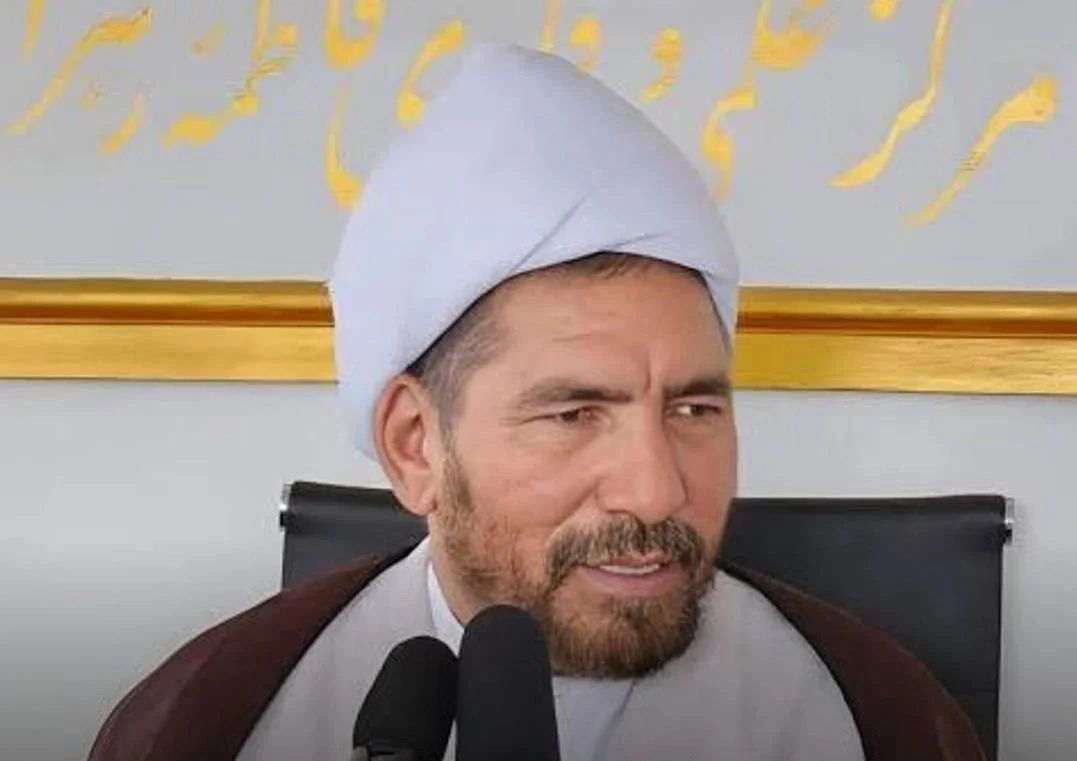
Afghanistan has once again witnessed concerns over religious freedom and minority rights after reports emerged that Taliban officials from the Ministry for the Propagation of Virtue and Prevention of Vice detained a well-known Shiite cleric, Hussain Dad Sharifi, over allegations that he conducted a “Nikah-e-Mutah” ceremony.
According to reports, the cleric was accused of officiating a temporary marriage contract, a practice recognized under Ja’fari jurisprudence but considered “unauthorized” under the Taliban’s strict interpretation of Islamic law. He was reportedly taken into custody and subjected to harsh treatment, raising further questions about religious tolerance under the current administration.
Growing Pressure on Religious Minorities
The incident comes amid broader concerns that Afghanistan’s religious minorities are facing increasing pressure. Sources suggest that not only Shiite communities but also followers of Salafi thought, as well as the Ismaili community, are experiencing heightened scrutiny and insecurity in several regions.
Similarly, Afghanistan’s historic Sikh and Hindu populations, once an integral part of the country’s social fabric, are reportedly continuing to leave the country in search of safety and religious freedom abroad.
Human Rights Concerns and Restrictions on Worship
Human rights organizations, including Amnesty International, have expressed concern over what they describe as growing restrictions on religious freedom. They argue that interference in sectarian practices and worship signals a narrowing space for religious diversity in Afghanistan.
Reports also indicate that places of worship, including mosques, imambargahs, and gurdwaras, have faced increased security risks, leaving minority communities fearful of practicing their religious traditions openly.
Ideological Pressure and Allegations of Coercion
Allegations have also surfaced regarding ideological pressure, with claims that individuals are being forced to conform to specific interpretations of religious practice. Critics say those who deviate are often labeled as dissenters and face detention or harsh treatment.
Warnings Over Future Stability
Political analysts warn that continued restrictions on religious freedoms could deepen internal tensions and lead to further displacement of minority communities. They argue that the case of Hussain Dad Sharifi reflects broader systemic issues affecting governance, rights, and inclusion in Afghanistan.
A Deepening Crisis
Observers say the incident highlights a growing environment of fear for anyone whose beliefs differ from the prevailing ideology. As concerns mount, Afghanistan’s minorities are increasingly seen as vulnerable within a system that critics argue is narrowing space for pluralism and religious diversity.