
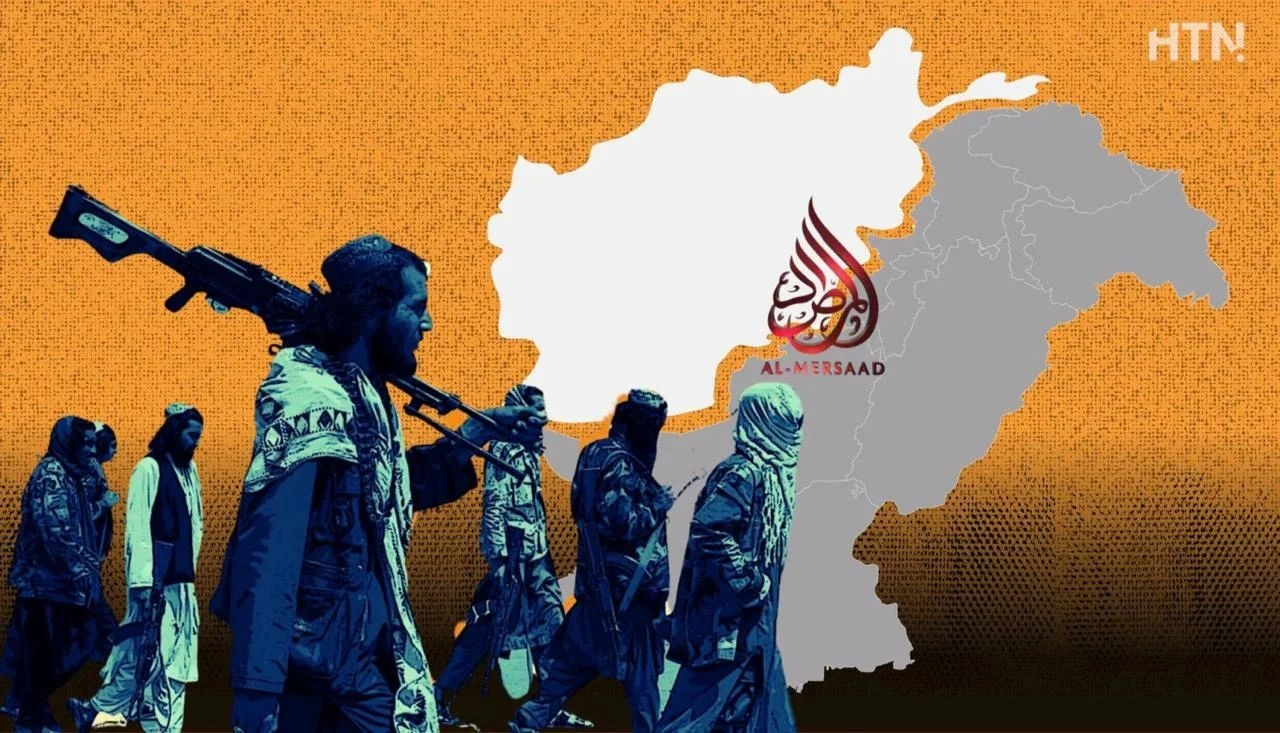
Pakistan is currently not only engaged in defending its geographical borders but is also confronting a sophisticated form of hybrid aggression, where narratives are being used as weapons more than ammunition. A research study from the University of Lahore has highlighted what it describes as a complex information campaign, alleging that a propaganda network called ‘Al-Marsad’, operating under Afghan intelligence influence, is targeting Pakistan’s ideological foundation and internal stability through the strategic use of artificial intelligence and deepfake technologies.
Strategic Nexus of Disinformation
Historical references and contemporary intelligence analyses cited in the report suggest that ‘Al-Marsad’ is part of a broader continuation of coordinated information operations, previously associated with cases such as the so-called ‘Indian Chronicles’ exposed in 2020. The analysis claims this is not coincidental but part of a structured strategic alignment involving disinformation efforts attributed to Indian digital influence networks and propaganda infrastructure allegedly operating from Afghan territory.
The report further claims that fake Iranian-linked social media accounts are being used to disrupt Pakistan-Iran relations, portraying this as part of a broader digital campaign aimed at isolating Pakistan and limiting its regional strategic influence.
Diplomatic Positioning and Information Pressure
The analysis also connects these alleged campaigns to Pakistan’s recent diplomatic engagements, including its role in facilitating dialogue between Tehran and Washington and its positioning as a regional mediator. According to this framing, Pakistan’s emerging role as a strategic diplomatic actor is viewed as a disruption to competing regional interests, thereby intensifying information-based pressure campaigns against it.
It suggests that Pakistan’s evolving foreign policy is being misrepresented in hostile interpretations to influence public perception and undermine its diplomatic credibility.
Religious Discourse and Ideological Conflict
The report also refers to alleged online campaigns targeting religious scholars and institutions, framing them as part of a wider ideological struggle. It claims that respected religious figures are being drawn into political and digital disputes, which is portrayed as an attempt to weaken moral and religious authority within society.
According to this framing, such developments reflect a broader effort to create internal division by exploiting religious and ideological sensitivities.
Call for Digital Sovereignty
The text argues that modern threats are no longer limited to physical borders but extend into digital spaces, including social media platforms, smartphones, and algorithm-driven information systems. It calls for Pakistan to strengthen what it describes as “digital sovereignty” as part of its national defense strategy.
It further suggests that traditional security frameworks alone are insufficient to address what it terms “information warfare” and that a coordinated national discourse based on facts and strategic communication is necessary.
Conclusion
The report concludes that ‘Al-Marsad’ is not merely a digital platform but part of a broader ideological information ecosystem. It emphasizes the need for institutional coordination among the state, media, academia, and religious leadership to counter what it describes as coordinated disinformation efforts.
It argues that Pakistan’s stability depends not only on physical security but also on the resilience of its informational and ideological boundaries.











