
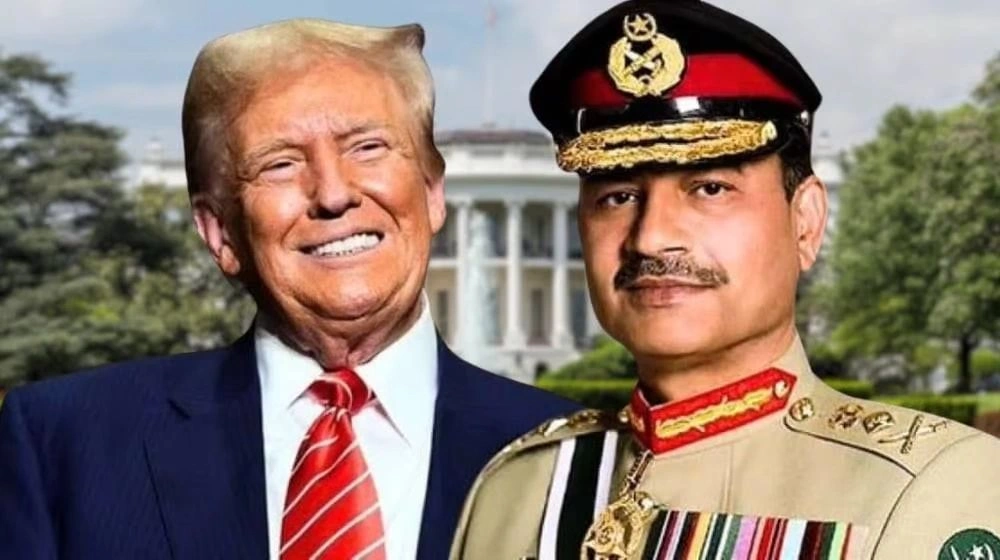
Claims circulating in media suggesting that Pakistan’s Chief of Army Staff General Asim Munir contacted US President Donald Trump regarding a blockade of the Strait of Hormuz have been strongly denied by officials.
Authorities clarified that no such information was shared with Reuters or any other domestic or international news agency, calling the reports “completely fabricated” and a classic case of misinformation.
🔴 BREAKING: Pakistan’s army chief Asim Munir spoke to US President Donald Trump and told him that the US blockade of Iranian ports is a hurdle to talks, adding that Trump told Munir he would consider his advice, Reuters reports citing a Pakistani security source.
— Al Arabiya English (@AlArabiya_Eng) April 20, 2026
More here:… pic.twitter.com/TpgqoolaJ7
Iran’s diplomatic strategy
Sources indicate that conflicting media reports regarding the timing and status of the second round of Islamabad talks are contributing to unnecessary uncertainty. Analysts suggest that such signals may form part of a broader diplomatic messaging strategy by Iran ahead of the next round of negotiations, aimed at strengthening its negotiating position and managing domestic political pressures.
Iran’s Foreign Ministry spokesperson’s recent statement that “no plan is currently finalized” is being interpreted as a tactical move to maintain leverage while keeping diplomatic options open. Officials confirm that Pakistan continues to serve as the key facilitator in the process, with Islamabad expected to host future rounds if finalized.
Call for media caution
Observers have urged media outlets to avoid extreme narratives—neither suggesting that talks have collapsed nor claiming that a final agreement has been reached prematurely.
Current status of negotiations
According to diplomatic sources, discussions remain active and both sides are expected to continue engagement. While there is positive intent from all parties, no official date or final outcome has yet been confirmed. Negotiations remain ongoing, with stakeholders emphasizing the importance of separating diplomatic processes from speculative reporting.











