
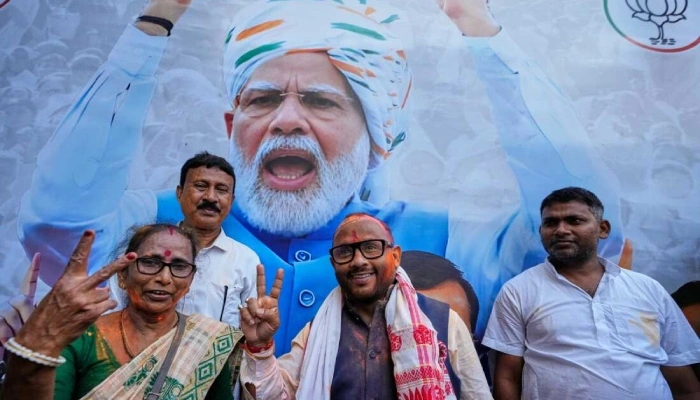
Kolkata: The recent election results in West Bengal, which saw a major victory for the Bharatiya Janata Party (BJP), have triggered fresh debate over electoral transparency in India and beyond. Political observers and opposition parties have raised serious concerns, claiming that parts of the election process were manipulated to influence the final outcome.
According to political analysts, large changes were made to voter lists before the elections under a process called “Special Intensive Revision.” Reports claim that nearly nine million voters were removed from the electoral rolls during this exercise.
What has caused the most concern is that many of the removed voters reportedly belonged to Muslim and Dalit communities. Former Chief Minister Mamata Banerjee strongly criticized the Election Commission and described the process as an “unethical game.” She alleged that Muslim voters were deliberately kept away from the electoral process through an organized plan.
Meanwhile, the issue has become a major point of political tension across the state. Opposition leaders say the credibility of democratic institutions is now under question.
Heavy Security and Post-Election Violence Deepen Concerns
At the same time, the deployment of more than 250,000 central security personnel during the elections has also become controversial. Observers claim that unusually strict security arrangements in Muslim-majority areas created fear among voters, which negatively affected voter turnout.
In addition, past controversial statements made by BJP leader Suvendu Adhikari have returned to public discussion. Opposition groups say his remarks reflected hostility and bias against minority communities.
After the election results were announced, reports of violence, attacks, and religious tension emerged from different parts of West Bengal. According to reports, some places saw Muslim identity signs removed and replaced with Hindu symbols.
As a result, concerns over social harmony in the state have grown stronger. The situation has also raised wider questions about democratic values and the neutrality of election institutions in India.











