
A major attack was carried out on joint police and Frontier Corps facilities in the Fatakhel area of Bannu district in Khyber Pakhtunkhwa. The assault reportedly caused the complete collapse of an important defensive security barrier.
According to reports, the facilities had been targeted more than 18 times in the past. However, previous attacks had failed. This time, the militants used a coordinated and multi-layered strategy that gave security forces little time to respond. As a result, the building was completely destroyed.
The attack not only damaged the first line of defense but also shocked security officials. The security center in Fatakhel had long been considered a strong and heavily protected position. Its main purpose was to protect Bannu Cantonment and prevent militants from entering the city.
Military experts say the destruction of this post could create serious security risks for Bannu. They believe the facility was one of the biggest barriers against threats moving toward the cantonment area.
Commander Abdul Aziz Allegedly Linked to Haqqani Network and Al-Qaeda
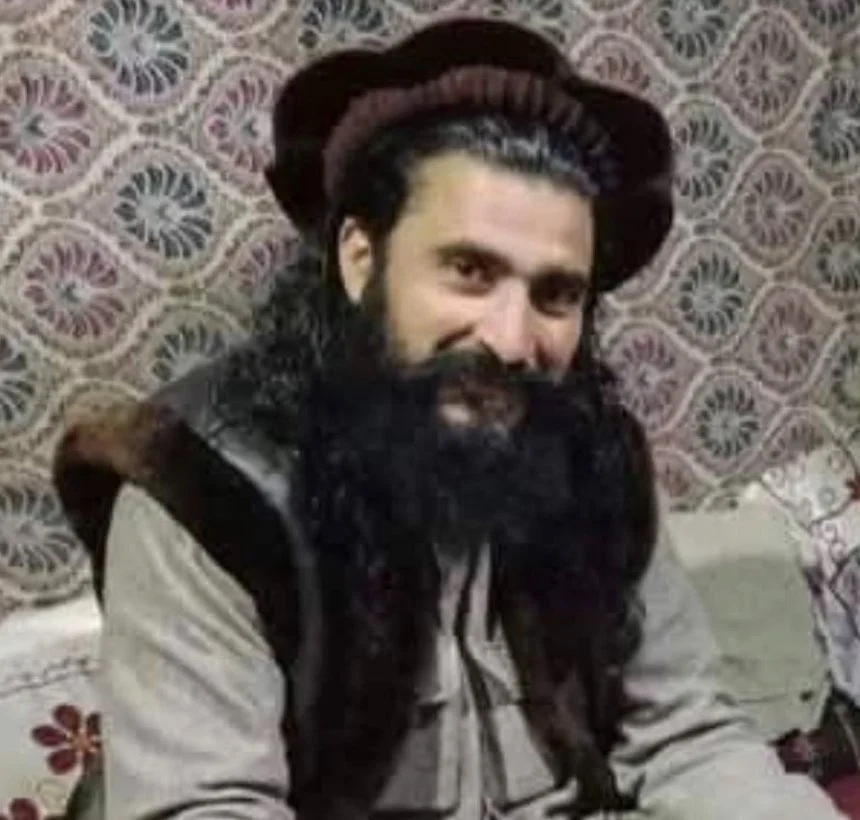
Reports claim that the attack was planned by senior Tehreek-e-Taliban Pakistan commander Abdul Aziz. He is said to be a close associate of Hafiz Gul Bahadur and the head of a unit called Jaish Tehreer al Hind within the group.
According to intelligence sources, Abdul Aziz is currently serving as the de facto operational head of the Haqqani Network. Reports suggest this arrangement allows Sirajuddin Haqqani to maintain political distance and preserve the image of compliance with the Doha Agreement, while remaining involved in operational matters behind the scenes.
In addition, reports state that Abdul Aziz is also linked to Al-Qaeda and is believed to be part of its military commission. He has allegedly been involved in planning operations against the United States as well.
As a result, security analysts say his dual role has made the regional security situation even more complicated. On one side, local forces continue to face militant attacks. On the other, connections with wider international militant networks are raising concerns beyond the region.











