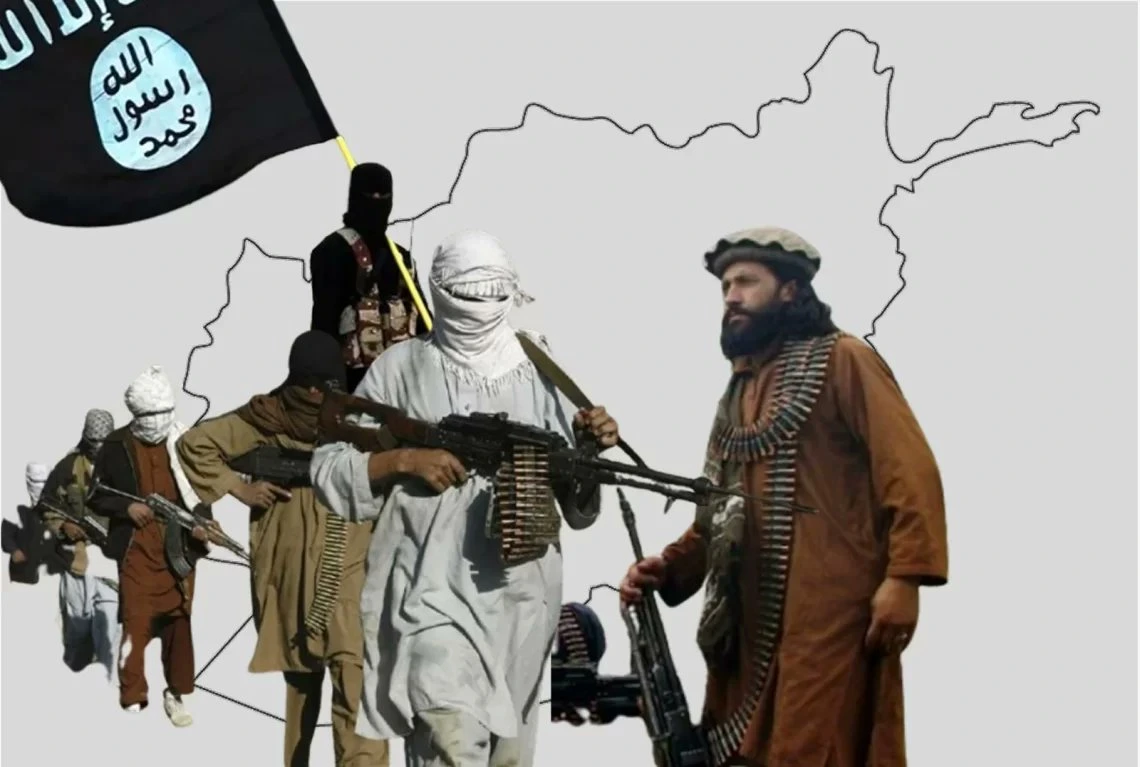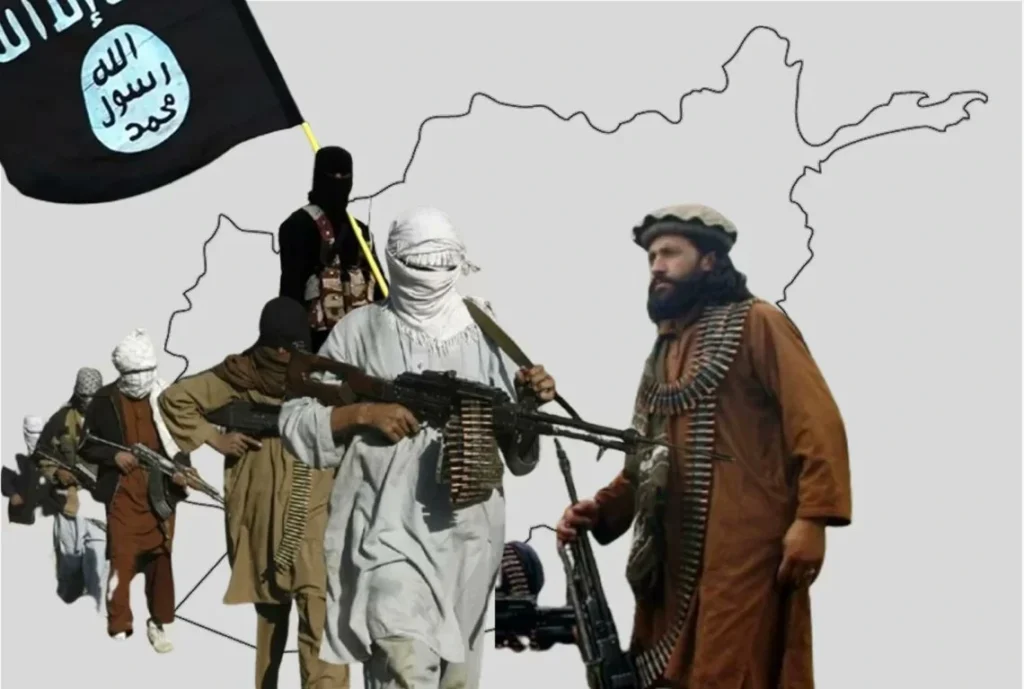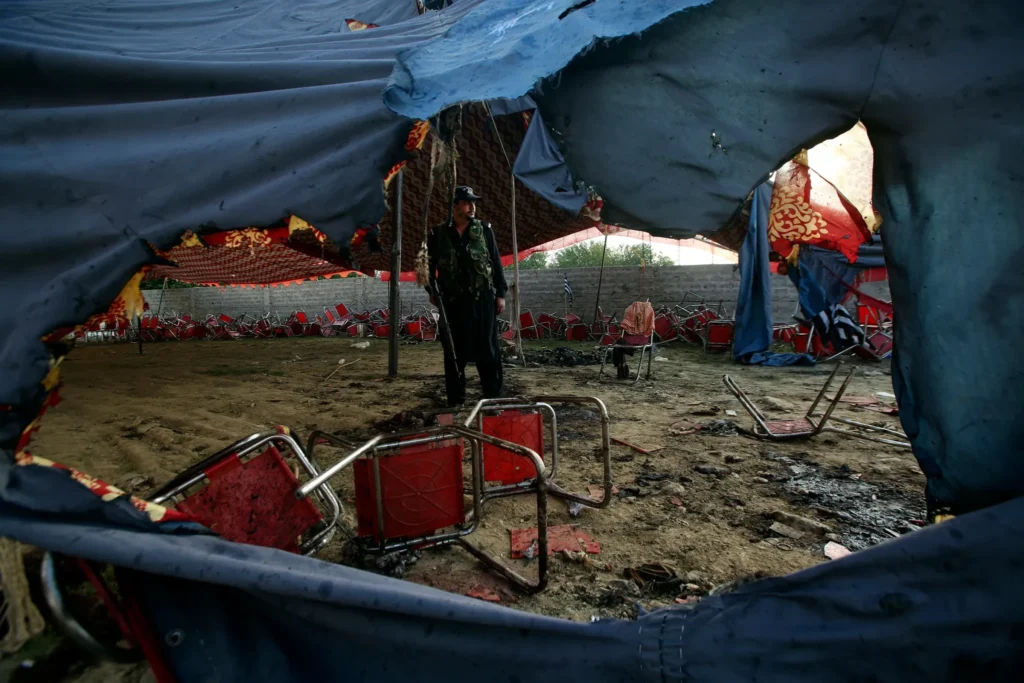
During an appearance on Red Line, analyst Rina Shah emphasized that Afghanistan under the de facto Taliban authorities is providing a permissive environment for terrorist groups such as the Tehrik-i-Taliban Pakistan, Al-Qaeda, and others. Drawing on the 37th UN Security Council Monitoring Team Report, she noted that these groups enjoy training, logistical support, and freedom of movement, which has led to a rise in cross-border attacks against Pakistan. Shah stressed that Pakistan’s long-standing warnings were validated by multilateral evidence rather than political rhetoric.
Militant Interlinkages in Afghanistan
Shah highlighted the evolving relationships among groups that previously held divergent ideologies. The TTP, described as one of the largest terrorist organizations in Afghanistan, operates with Taliban facilitation, while Al-Qaeda continues to train and coordinate with regional factions. The UN report, she explained, confirms that Taliban claims denying terrorist presence are not credible, and that the growing operational cooperation among these groups is a documented fact.
Implications for Pakistan–US Cooperation
According to Shah, Washington is increasingly recognizing Pakistan as a frontline counterterrorism partner. With the UN corroborating threats emanating from Afghan soil, Pakistan’s role in border security and counterterrorism is being viewed as critical to regional stability. Shah emphasized the need for sustained, strategic cooperation rather than transactional engagement, underscoring Pakistan’s sacrifices in lives and resources to combat militancy.
Recommended Path Forward
Shah advised that Pakistan continue to project its warnings while applying a measured mix of enhanced border security, targeted operations, and multilateral diplomatic pressure. She highlighted the importance of accountability mechanisms, including UN sanctions enforcement and incentives for the Afghan authorities to act against terrorist networks. Shah stressed that proportional self-defense and collective responsibility are key to maintaining regional stability without escalating conflict.
Read more :37th UN Sanctions Report Confirms Afghanistan as Hub for Terrorist Groups