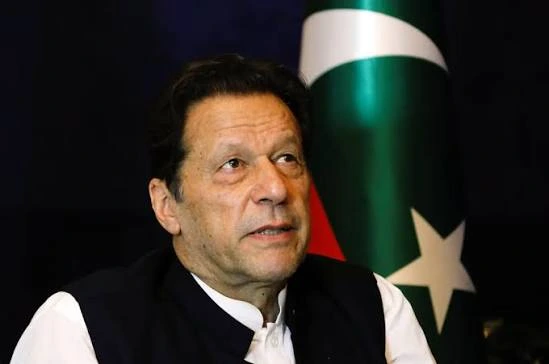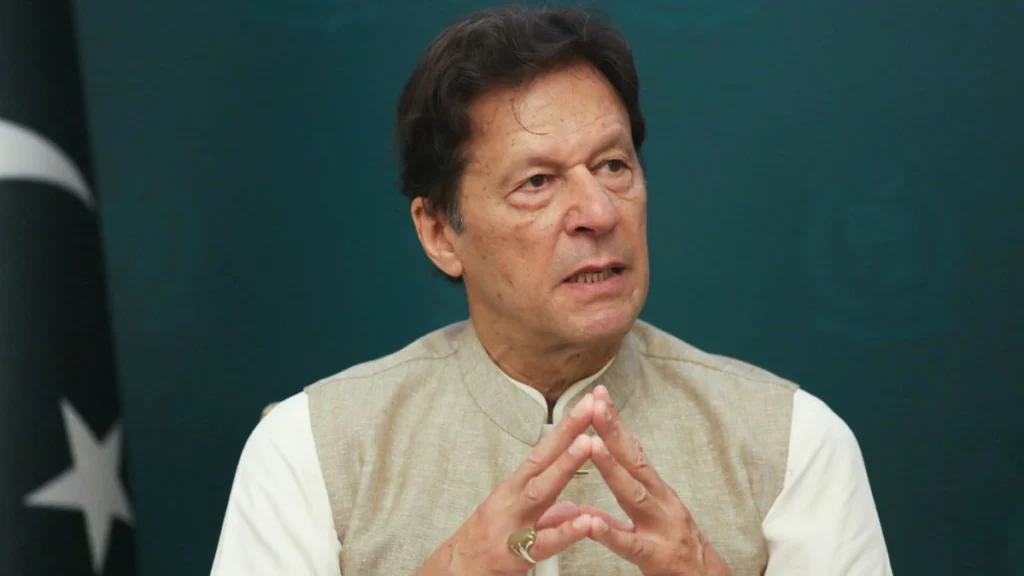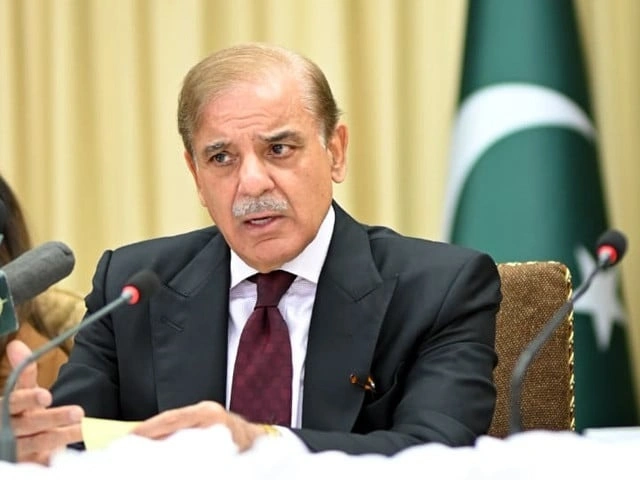
In Vienna, Shehbaz Sharif addressed the Pakistan–Austria Business Forum, urging Austrian investors to explore opportunities in renewable energy, IT, and mining. He also invited European firms to the upcoming EU–Pakistan Business Forum in Islamabad, signaling Islamabad’s push to rebalance its economy through foreign investment.
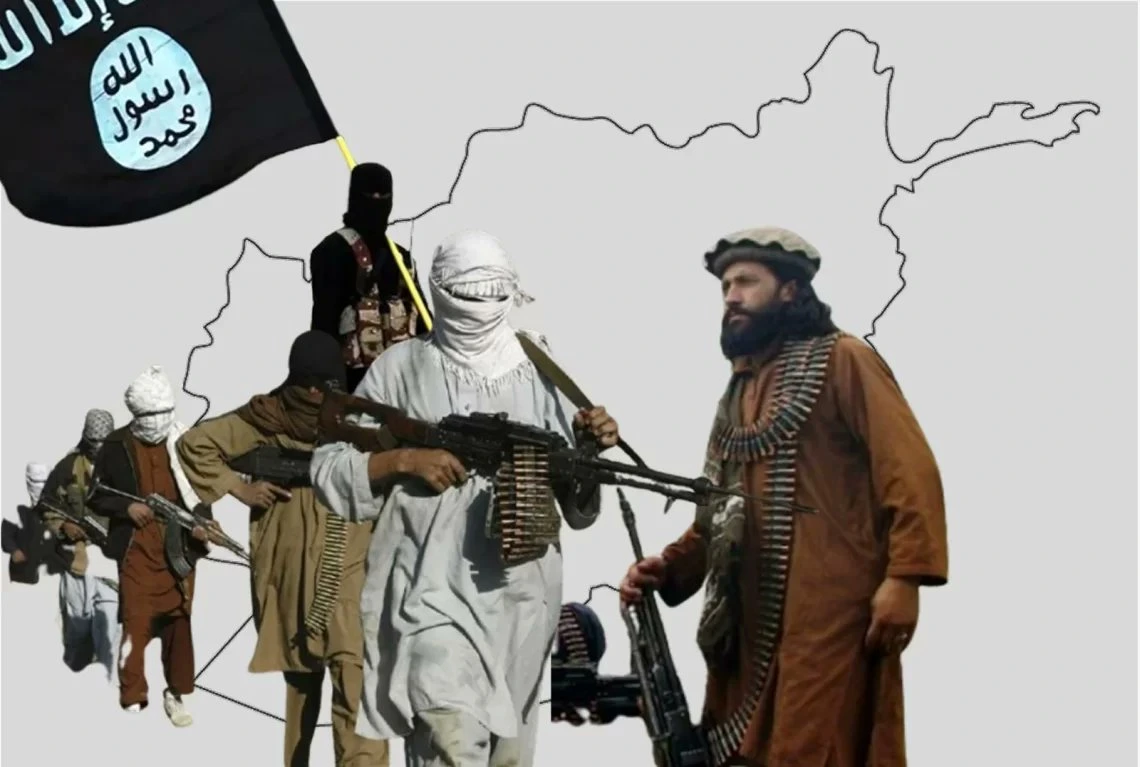
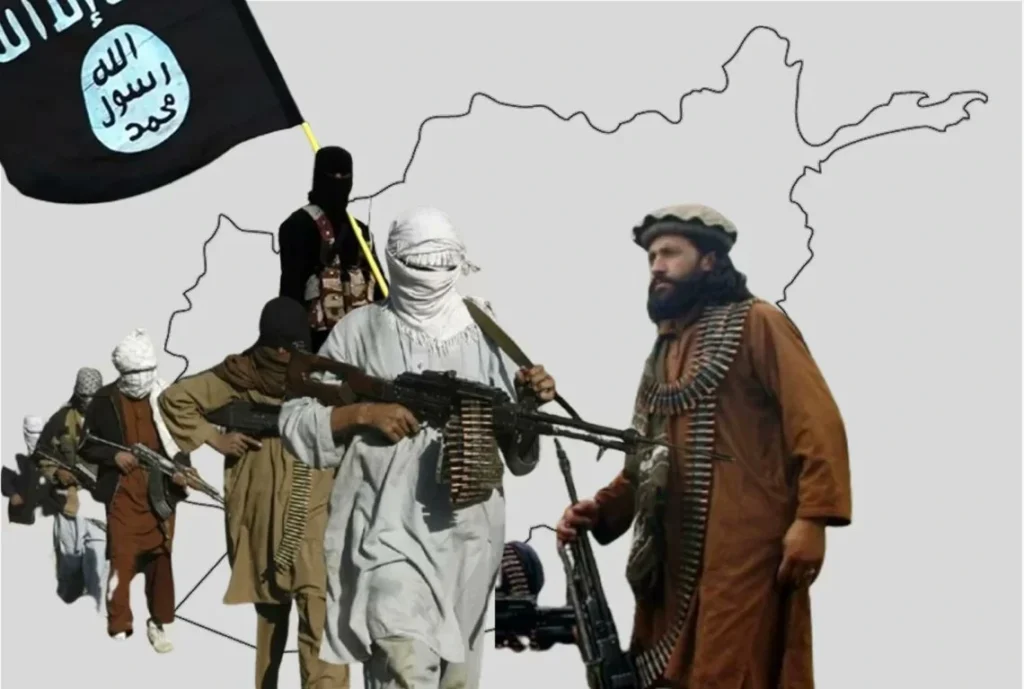
On the security front, a United Nations Security Council monitoring report reinforced Pakistan’s long-standing claim that Afghan territory under Taliban control is providing preferential space to the Tehrik-i-Taliban Pakistan and Al-Qaeda. Islamabad reiterated that it will not remain passive in the face of cross-border militancy.
Following a high-level meeting between Pakistan’s army chief and UAE leaders, a formal defense cooperation agreement between Pakistan and the United Arab Emirates is reportedly in its final stages, underscoring deepening security ties.
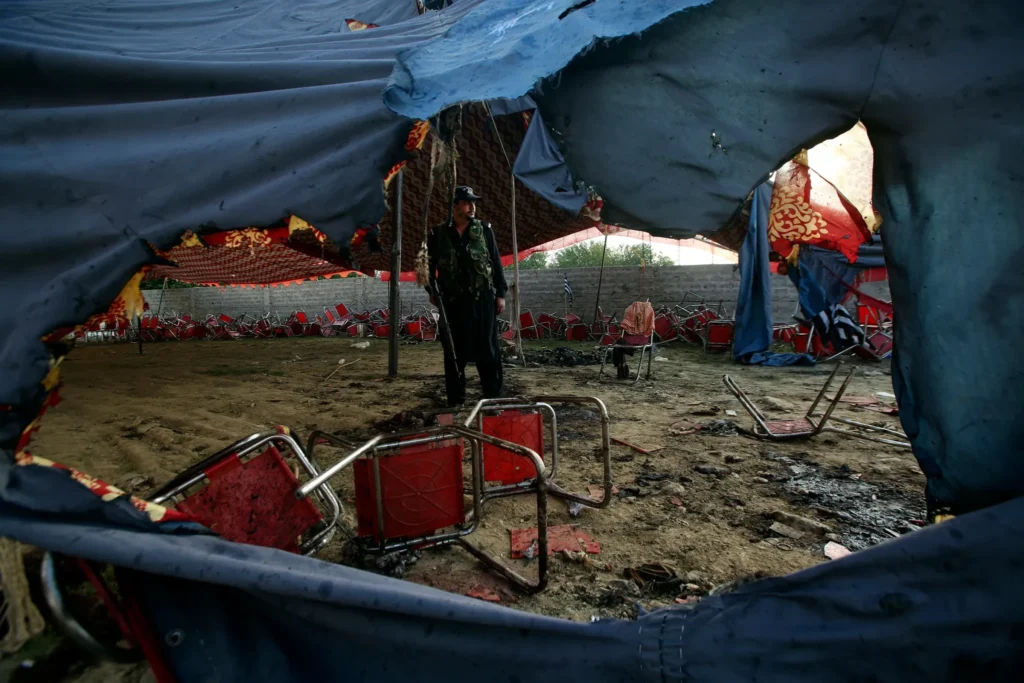
Domestically, Islamabad remains on high alert after the 6 February bombing, with intensified operations against ISIS-linked cells. Meanwhile, violence in Tank and Dera Ismail Khan reflects growing internal militant enforcement by the TTP against what it labels “corrupt elements.”
Militant Networks: Fractures and Alignments
Al-Qaeda in the Indian Subcontinent (AQIS), through its magazine Nawa-e-Ghazwa-e-Hind, highlighted operations by the group “Ittehad-ul-Mujahideen Pakistan,” presenting them alongside global jihadist fronts such as Al-Shabaab. Analysts see this as an attempt to showcase ideological and operational alignment across theaters.
At the same time, serious rifts have emerged within Pakistani militant circles. The TTP leadership issued a warning — and a religious edict — threatening death for members who form splinter groups or parallel structures, directly targeting Jamaat-ul-Ahrar. JuA rejected the accusations, demanded an independent probe into the killing of its former leader, and warned it would respond to any attack, while maintaining its commitment to armed struggle inside Pakistan.
Afghanistan: Diplomacy, Denial, and Disasters
Afghanistan again ranked last on the Henley Passport Index, with visa-free access to only 24 countries — a stark reminder of the isolation facing Afghan citizens.
In Central Asia, Kazakhstan hosted an extraordinary regional meeting focused on expanding trade and transit cooperation with Afghanistan without formally recognizing the Taliban government, while also addressing the threat posed by militant groups like the TTP.
Taliban spokesperson Zabihullah Mujahid denied the presence of TTP fighters in Afghanistan and accused Pakistan of harboring Islamic State Khorasan Province. He also stated that if the United States attacks Iran, the Taliban would offer support “according to their capacity,” a remark closely watched by regional capitals.
Meanwhile, deadly landslides in Kapisa province have killed at least four people, with further rain raising fears of additional casualties.
Iran: Diplomacy Under the Shadow of War
Iranian Foreign Minister Abbas Araghchi arrived in Geneva for indirect talks with the United States, mediated by Oman. He also held technical discussions with International Atomic Energy Agency chief Rafael Grossi, emphasizing Iran’s willingness to negotiate — but not under threats.
US President Donald Trump warned Tehran of “serious consequences” if talks fail, as Washington reinforced its naval presence in the region. In response, Iran’s Islamic Revolutionary Guard Corps launched large-scale live-fire drills across the Strait of Hormuz, the Persian Gulf, and the Gulf of Oman.
The drills, coupled with hardline rhetoric from Ali Khamenei, pushed global oil prices up by about 1% amid fears of disruption to one of the world’s most critical energy chokepoints.
Separately, a little-known militant group, the “People’s Fighters Front,” claimed responsibility for an IED attack on an Iranian security convoy in Saravan, in Sistan-Baluchestan province.
India: Sanctions, Strategy, and Technology
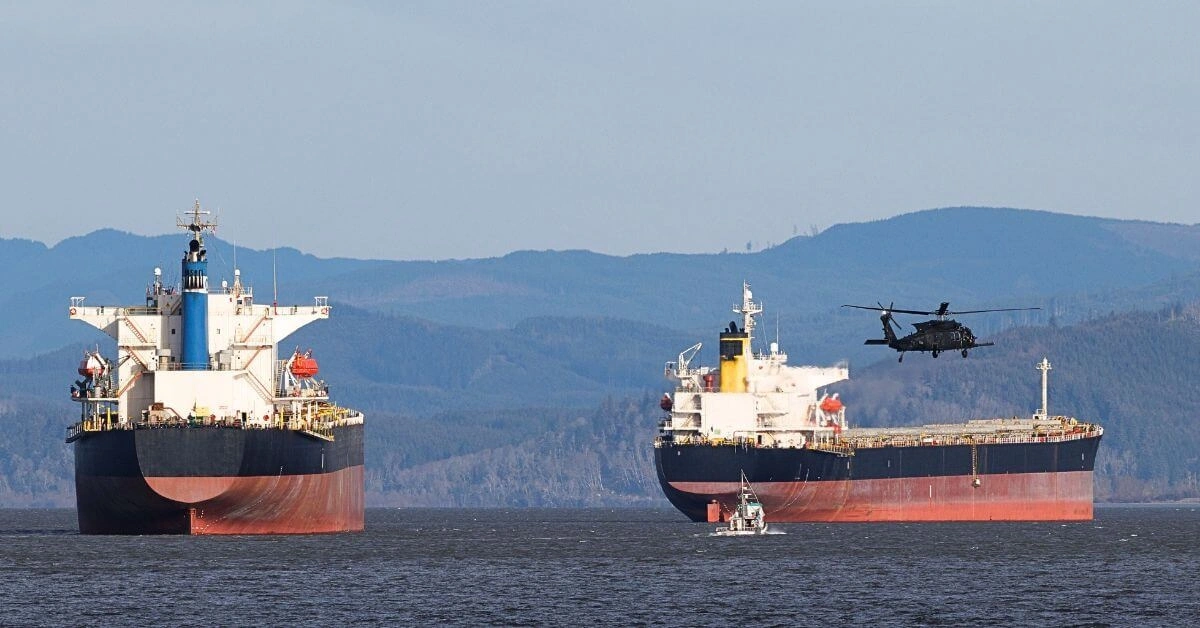
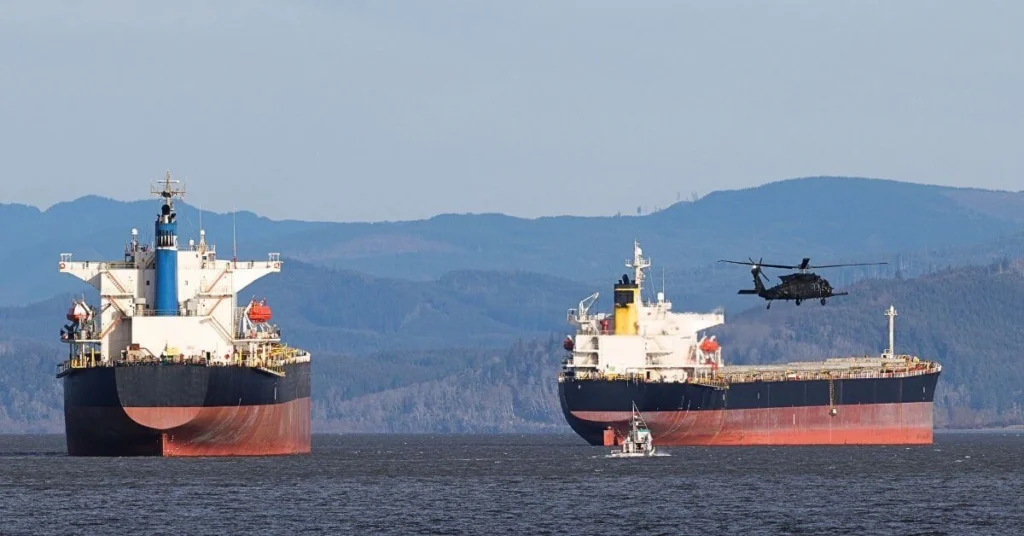
India seized three oil tankers — Stellar Ruby, Asphalt Star, and Al Jafzia — about 100 nautical miles off the Mumbai coast for suspected illicit ship-to-ship oil transfers. The move aligns with growing cooperation between India and the United States, following New Delhi’s reported agreement to halt Russian oil imports in exchange for sharp US tariff reductions on Indian goods.
India also opened a high-profile global AI conference at Bharat Mandapam, attended by more than 20 heads of state and hundreds of technology leaders, including Sam Altman, as New Delhi positions itself as an AI hub for the Global South.
Middle East, Europe, and Great-Power Rivalries
Israel’s decision to resume land registration in Area C of the West Bank has been condemned by Saudi Arabia and Qatar as de facto annexation. In Sudan, a deadly drone strike in Kordofan has undermined fragile ceasefire efforts.
Tensions between Saudi Arabia and the UAE are increasingly visible, from Yemen and Sudan to OPEC+ oil policy and competition over regional economic leadership.
In Europe and beyond, Turkey faces domestic economic pressure, while advancing new social media regulations. Meanwhile, Geneva hosts new rounds of US–Russia–Ukraine talks, and Denmark has confirmed Washington’s renewed interest in Greenland’s mineral wealth — raising concerns of an emerging “cold war” dynamic in the Arctic.
Bottom Line
Across regions, today’s developments underline a clear trend: diplomacy, security, energy, and technology are no longer separate tracks. States are recalibrating alliances, militant groups are fragmenting or re-aligning, and strategic chokepoints — whether maritime routes or digital platforms — are becoming central tools of power in an increasingly polarized world.
Read more :Pakistan Invited to Iran US Talks to Help Ease Regional Tensions