
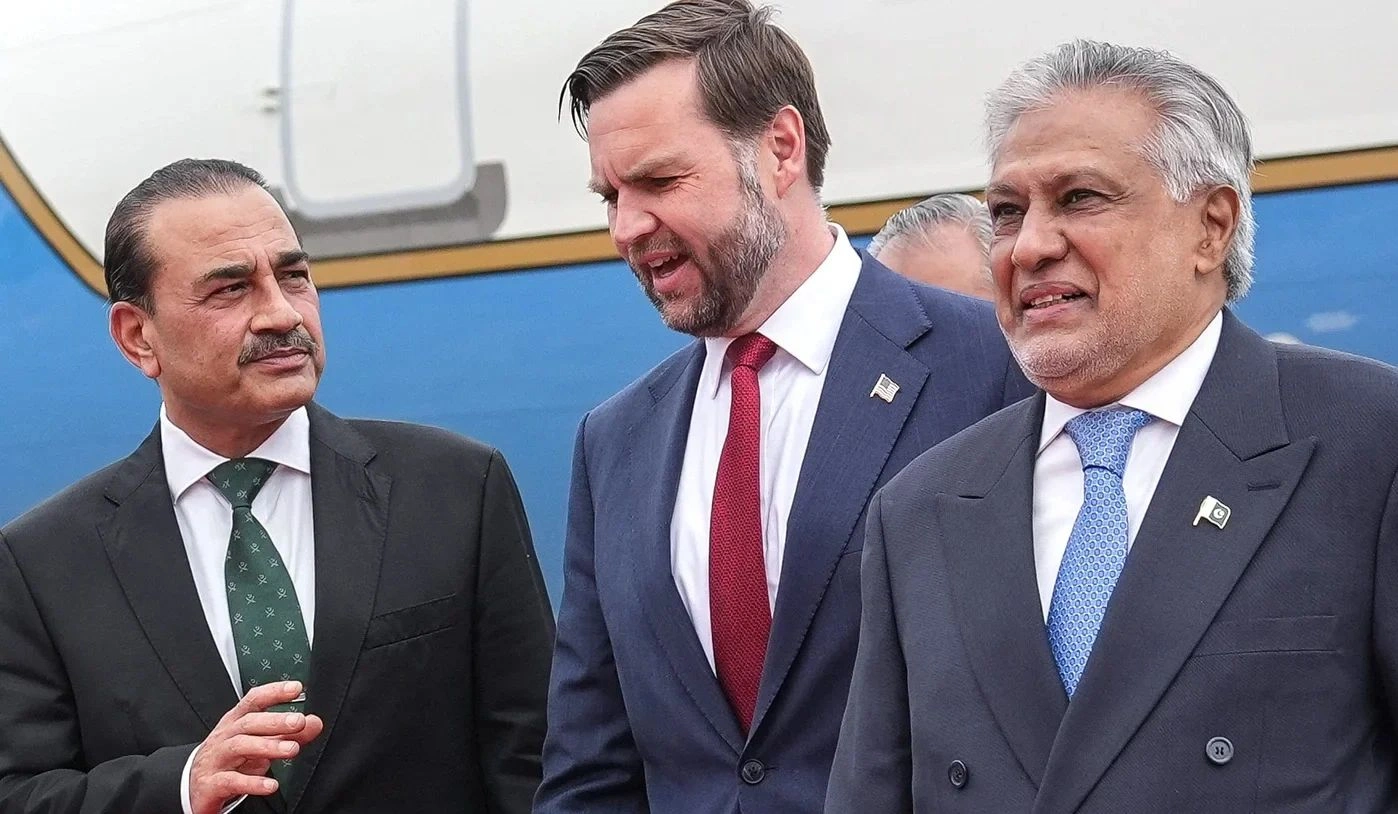
London-based international publication Middle East Eye has published an in-depth report by analyst Kathy Gannon highlighting Pakistan’s evolving global role. According to the report, Pakistan—once considered a peripheral player in international affairs—has now emerged as a significant diplomatic and military power. Its key role in bringing the United States and Iran to indirect negotiations after half a century is presented as clear evidence of its growing international relevance.
The analysis suggests that this transformation is not solely the result of traditional diplomacy but is also rooted in Pakistan’s perceived military advantage following its brief but decisive confrontation with India in May 2025. The report argues that this development challenged long-held assumptions about regional military balance and led to a shift in how global actors view Pakistan—from a burden to a stabilizing force in the region.
It further notes that Pakistan’s military leadership, particularly Army Chief General Asim Munir, has effectively translated battlefield strength into diplomatic capital. Engagements with former US President Donald Trump, deepening strategic ties with China, and expanding defence agreements with Saudi Arabia, Libya, and Egypt are described as part of a broader strategic approach. As a result, Pakistan is now seen as a rare intermediary capable of engaging simultaneously with Washington, Beijing, and Gulf capitals.
The report also highlights that these diplomatic gains have strengthened internal state confidence and institutional stability in Pakistan. However, it warns that Pakistan’s rising influence has intensified regional competition, prompting India to expand its defence and diplomatic partnerships with Israel and Gulf states, further complicating South Asia’s strategic landscape.
Kathy Gannon describes Pakistan’s trajectory as a “double-edged sword,” noting that while the country has successfully reshaped global perceptions about its role, the key question remains whether the region can absorb such a rapid geopolitical shift. The report concludes with a caution that any future crisis between two nuclear-armed states will not remain localized but could draw in a complex web of alliances and global interests beyond the control of any single actor.











