
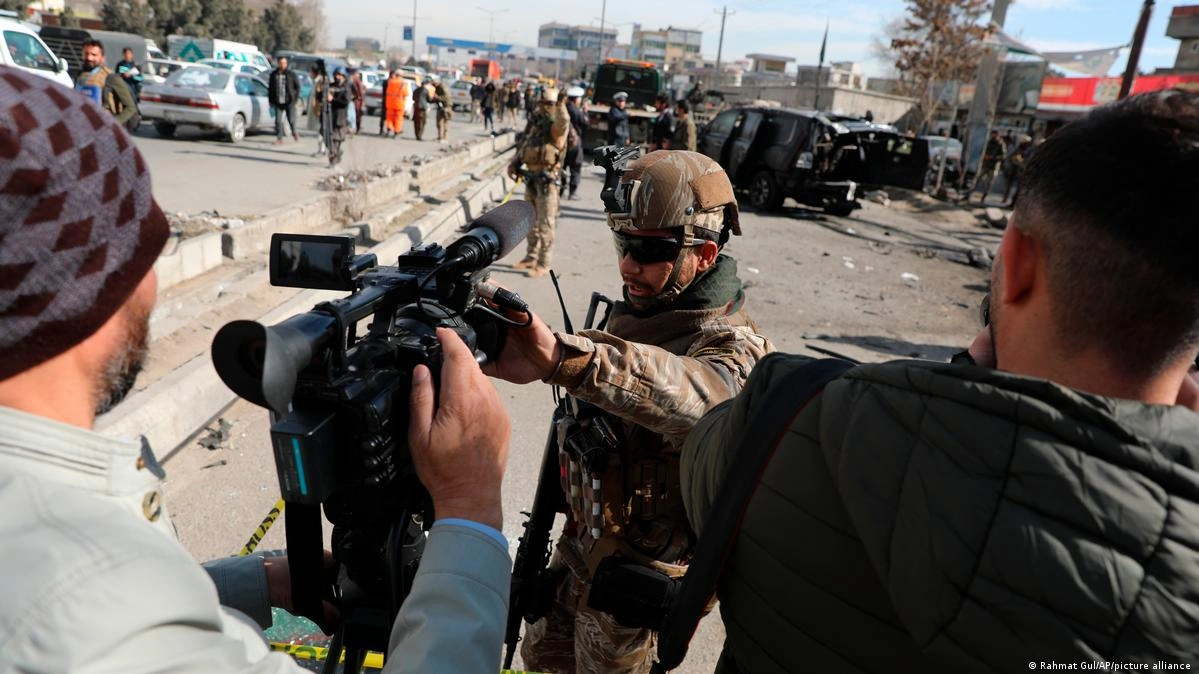
KABUL: The Taliban government’s crackdown on independent journalism in Afghanistan is growing stronger. The latest example is the reported detention of two Tolo News journalists, Mansoor Niazi and Imran Danish, in Kabul.
According to reports, the two journalists were taken into custody last Thursday from Kabul’s Karte Char area. However, no clear information has been provided about their whereabouts or the charges against them.
Meanwhile, defense and media analysts say these arrests are not isolated incidents. Instead, they believe the detentions are part of a wider Taliban strategy aimed at removing independent reporting from Afghanistan altogether.
In recent months, pressure on journalists has continued to rise. Media workers say fear and uncertainty have become part of daily life for reporters across the country.
شبکهی طلوعنیوز تأیید کرده است که گروه طالبان، منصور نیازی و عمران دانش، خبرنگاران این شبکه را بازداشت کرده است.
— Aamaj News (@aamajnews_24) May 10, 2026
بر اساس طلوعنیوز، مقامهای امنیتی طالبان اعلام کردهاند که جزئیات این بازداشت پس از تکمیل مراحل قانونی با رسانهها شریک خواهد شد.
منابع میگویند که این دو… pic.twitter.com/YFxt6RNC0t
Rising Arrests and Collapse of Afghanistan’s Media Sector
According to reports, more than 34 journalists have already been arrested during the first months of 2025 alone. Observers say this shows a sharp increase in repression under Taliban rule.
Since August 2021, hundreds of media workers have reportedly been jailed under vague accusations such as “propaganda,” “foreign links,” and “moral corruption.” Critics argue that these charges are being used to silence independent voices.
At the same time, several journalists have received harsh prison sentences. Mehdi Ansari was sentenced to 18 months in prison, while Hamid Farahadi received a two-year sentence. Similarly, Shakeeb Ahmad Nazari was sentenced to three years in jail. Other journalists, including Bashir Hatif, are reportedly still being held without formal legal proceedings.
Furthermore, raids carried out in July 2025 by intelligence and morality officials have raised fresh concerns. Analysts say forced confessions and closed-door trials are becoming increasingly common, damaging transparency and due process.
As a result of this pressure, Afghanistan’s media sector has been badly weakened. More than half of the country’s media outlets have reportedly shut down, while hundreds of journalists have fled the country for safety.
Women journalists have been especially affected. Many have been pushed almost completely out of the media industry, which rights groups describe as one of the clearest examples of gender-based repression in Afghanistan today.
In addition, the closure of outlets such as Radio Naseem and Rasa Television is being seen as part of a broader effort to control information. Critics say the Taliban want to replace independent reporting with state-controlled narratives and limit public criticism of their actions.











