
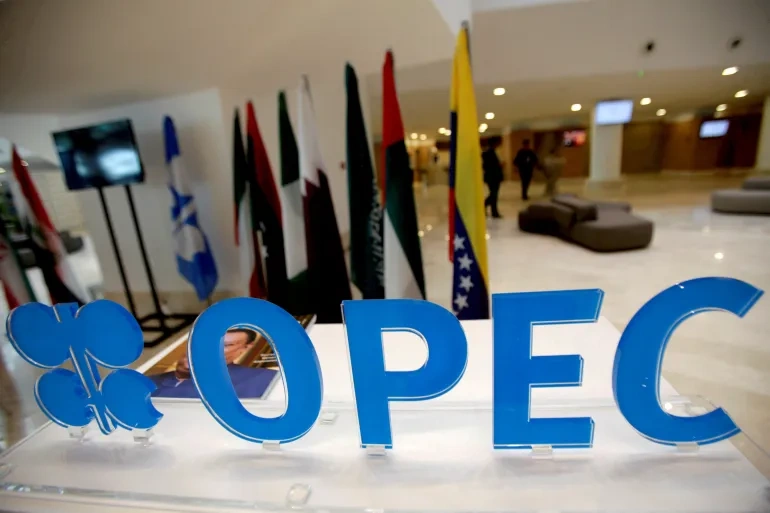
Dubai: The United Arab Emirates has announced its immediate exit from OPEC and OPEC Plus. This sudden move has sent shockwaves through global energy markets. The decision comes at a time when global energy supply is already under pressure due to ongoing regional tensions involving Iran.
As a result, concerns are growing about future oil stability and pricing. Markets reacted quickly, and analysts say uncertainty may increase in the coming weeks.
Rising tensions in Gulf politics and energy uncertainty
The UAE decision is being linked to growing political tensions within the Gulf region. According to diplomatic sources, Abu Dhabi has raised concerns over the lack of coordinated support from some regional partners during recent conflicts.
In addition, senior UAE officials have expressed disappointment with the current direction of regional cooperation. They argue that the existing Gulf political framework is not meeting expectations during moments of crisis.
Meanwhile, the wider geopolitical situation has added pressure. The ongoing instability involving Iran has already strained global energy routes and increased fears of supply disruption.
Impact on oil supply, global prices, and shifting alliances
The Strait of Hormuz remains a key concern. Around one fifth of global oil and LNG shipments pass through this route. Any disruption in this area directly affects global markets and energy security.
Furthermore, former US President Donald Trump has criticized OPEC, accusing it of artificially raising oil prices. He also linked energy pricing issues to broader political and security dynamics in the region.
As a result, analysts believe the UAE exit could reshape OPEC’s internal balance. It may also lead to the formation of new energy alliances in the future.
In conclusion, this development marks a major shift in global energy politics. The coming months will determine whether this is a temporary disruption or the start of a new energy order.











