
In recent days, residents of border districts in Pakistan have come under fire from across the Afghan side. Mortar shells reportedly landed in civilian areas of Bajaur, South Waziristan, and Chaman. Homes were damaged and ordinary people were caught in the violence.
According to local reports, a school student was injured in Bajaur on April 27. A day later in Chaman, a mortar shell hit a house in the village of Mohammad Hassan. One civilian lost his life and another was badly hurt.
Meanwhile, security experts say these incidents happened despite Pakistan showing restraint and honoring ceasefire understandings. They argue that the continued shelling has raised fear among border communities who are already living under difficult conditions.
UNAMA has documented tens of civilians killed or injured yesterday afternoon in strikes on areas of Asadabad, eastern #Afghanistan, including a university.
— UNAMA News (@UNAMAnews) April 28, 2026
Questions Raised Over One Sided Reporting
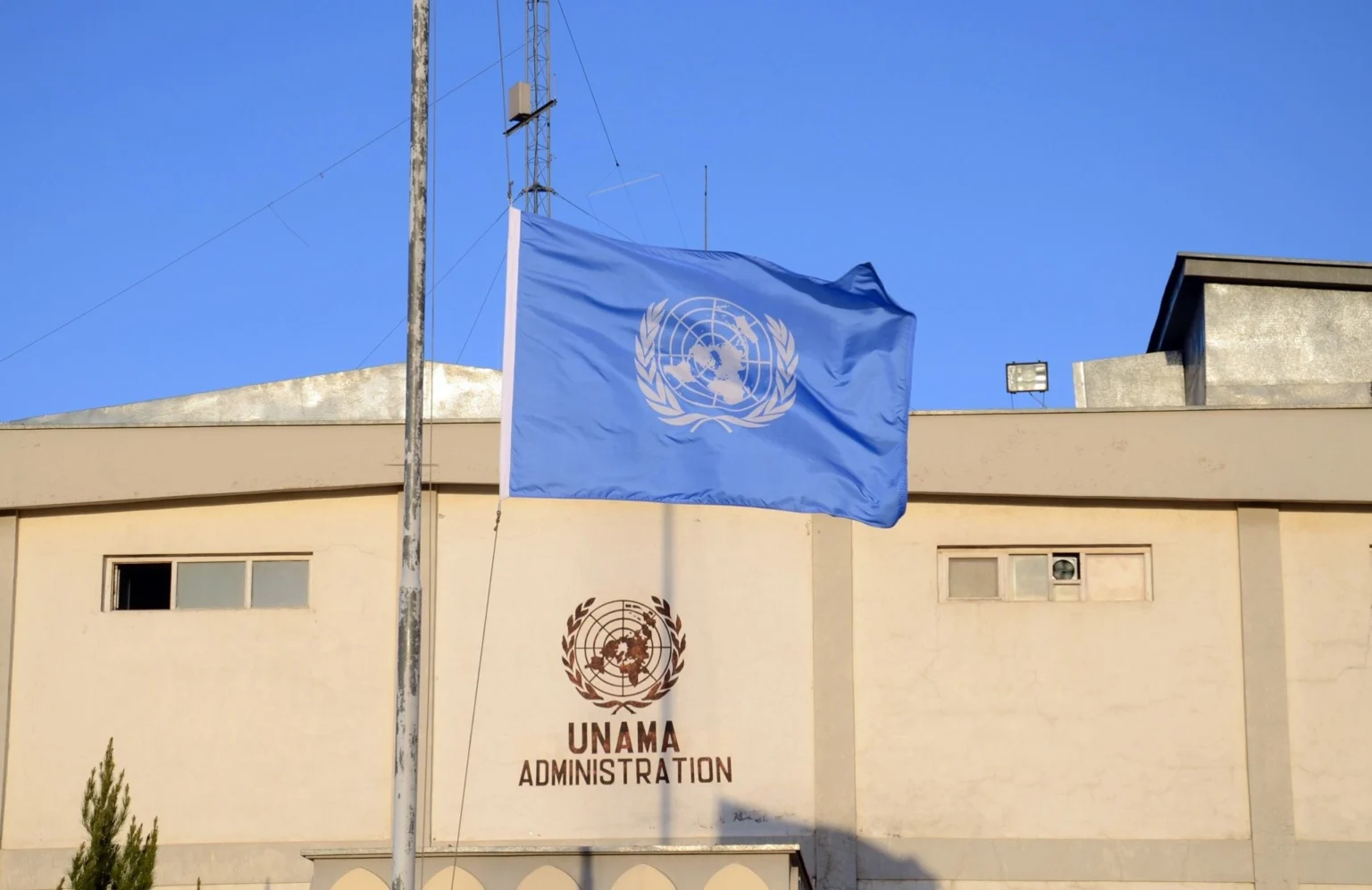
Against this backdrop, analysts have strongly criticized a recent report by the United Nations Assistance Mission in Afghanistan. They say the report ignores the suffering of Pakistani civilians and instead repeats claims made by Afghan authorities without proper verification.
Furthermore, defense observers warn that Afghan forces often place heavy weapons near populated areas. This, they say, puts civilians at risk and later allows claims of civilian harm to gain sympathy. When return fire targets the source of shelling, the narrative quickly shifts to accusations and propaganda.
As a result, experts are asking why international bodies remain silent when Pakistani citizens are injured or killed. They also question whether independent checks are carried out on the ground or if reports rely only on one side’s version of events.
In conclusion, analysts stress that peace in the region depends on honest reporting and equal concern for all civilian lives. They warn that ignoring cross border attacks and militant activity will only deepen mistrust and threaten stability along the Pakistan Afghanistan border.











